
.png)
Review Explosion: Yen Records Reissues From Sony Japan
Albums by Miharu Koshi, Testpattern, Jun Togawa, and Tamao Koike
In 1982, Haruomi Hosono and Yukihiro Takahashi—taking a break from Yellow Magic Orchestra at the group’s artistic peak, which closely followed their initial height of mass popularity—established the Alfa Records sublabel Yen Records. Yen lasted from May 1982 (the first releases were Hosono’s Philharmony and Hajime Tachibana’s H, both on the same day) through May 1985, when the label released its farewell Yen Memorial Album compilation. In those three short years, Hosono and Takahashi produced or supervised the release of albums by artists both established (Plastics guitarist Hajime Tachibana, Sheena from Sheena and the Rokkets, or Sandii and the Sunsetz, the Sunsetz led by Hosono’s old friend Makoto Kubota) and new: now-acclaimed art pop sensations such as Miharu Koshi and Jun Togawa, as well as artists that released one or two records then vanished, like Testpattern, Inoyama-Land, Interior, and Tamao Koike.
The small Yen catalog was compiled into two cubical CD box sets in 1996, which are long out of print. Many of the original vinyl pressings are rather cheap, though a few go for a lot of money, and those are most of what Sony has recently reissued. These are only released in Japan, though it’s easy to get them shipped internationally from big Japanese retailers, and Light In The Attic imports a few copies of select titles to the US. Also note that Sony Japan’s ongoing vinyl reissue series of domestic recordings (MHJL catalog numbers; vinyl reissues of non-Japanese recordings are SIJP) was once branded under the Great Tracks imprint and often cut by Bernie Grundman, though sometime around 2022 they dropped the Great Tracks branding and started using Japanese cutting engineers. While the domestically cut titles still sound good, the earlier reissues in the series cut by Grundman had greater sonic weight, more stable imaging, and all the other strengths of his cutting system, even when the source files were ultra-compressed.
Anyway, here are five Yen Records titles reissued by Sony in the last few years (I haven’t yet gotten the 2024 reissue of Interior’s self-titled debut, but that’s another significant reissue because it’s the 1982 Japanese mix instead of the more common 1985 Windham Hill remix). And now we proceed…
Miharu Koshi - Tutu and Parallelisme
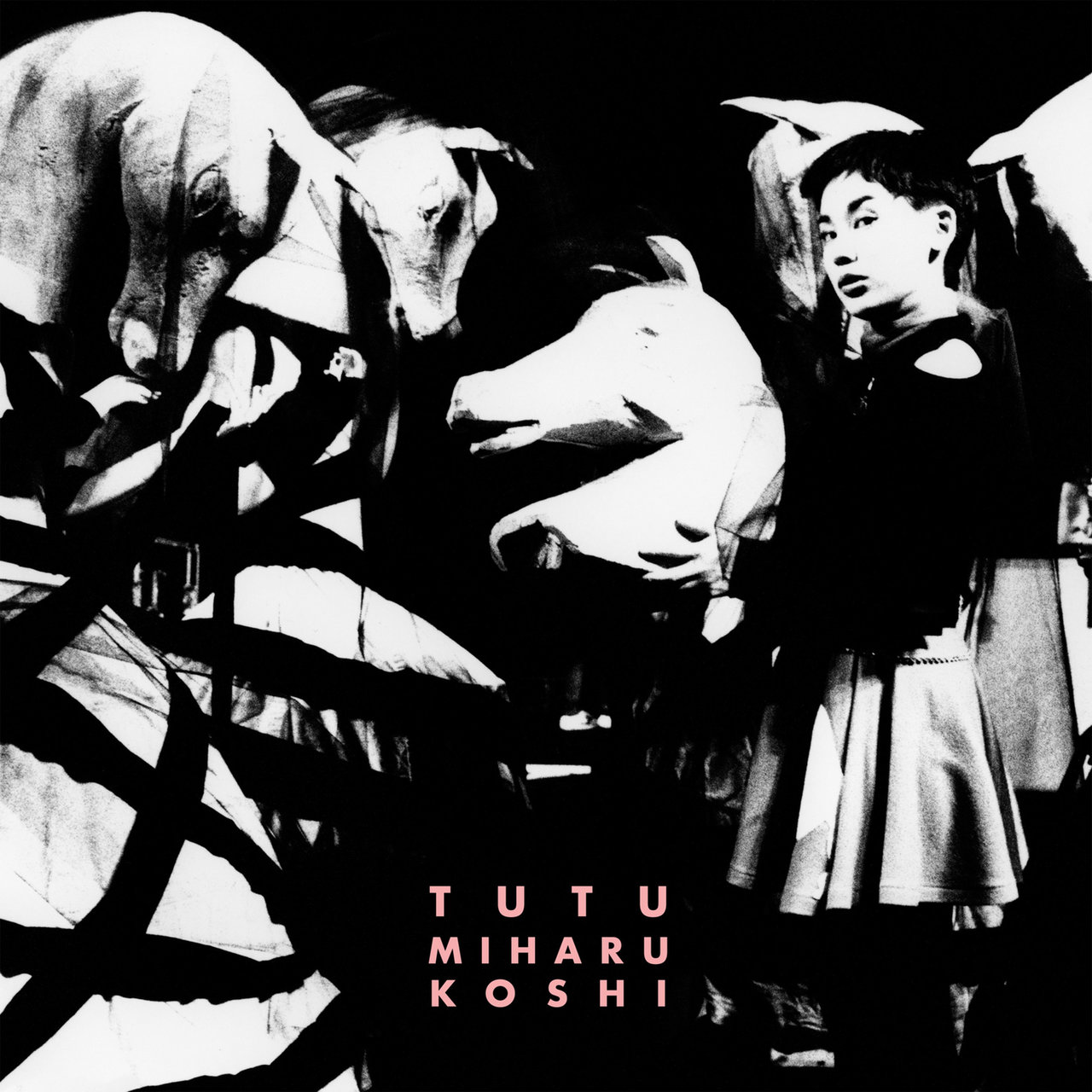
Yen/Alfa MHJL 388 clear pink vinyl LP + MHJL 389 clear vinyl LP
Produced by: Haruomi Hosono
Engineered by: Yasuhiko Terada
Mixed by: Yasuhiko Terada and Haruomi Hosono
Mastered by: Haruomi Hosono
Lacquers cut by: Tohru Kotetsu at JVC Mastering Center
Music

Sound
Miharu Koshi is a classically trained musician with an artistic view informed by French chanson and European cinema, though the beginning of her career didn’t really show that. After appearing on a TV talent show, she signed to RCA and released three albums from 1979-1981, all of which are basic kayōkyoku/city pop fare. She then abandoned the template and became fascinated with electronics, eventually recording a demo tape that was passed to Haruomi Hosono, who told her “you are techno!” and signed her to Yen Records. This began a long and fruitful collaboration: Hosono produced Koshi’s two Yen albums, 1983’s Tutu and 1984’s Parallelisme, and has produced and/or released (Koshi started self-producing later on) many of her other records on his various labels into the 21st century.
Compared to the three RCA albums, Koshi’s Yen albums sound like a completely different artist, even down to her vocal delivery which is more dynamic and sharply annunciated. Tutu opens with “L’amour Toujours,” written and recorded in Brussels with Telex, who released their own version a year later. Koshi’s version remains definitive, not only as the grand reveal of her artistic transformation, but simply for its better production. While Telex’s own version is Moroder-esque Eurodance, Koshi’s version sits in a grand, ornate space with glistening synth leads, spectacularly programmed bass synth, and her delicate vocals.above it all. “Scandal Night” is technopop perfection, with shuffling electronic percussion in the background (absolutely a Hosono touch) and an curious, mannered vocal from Koshi. The whole album is very good, concluding with the simple Emulator melodies of the sentimental, dreamy “Petit Paradis,” which she also recorded an English single version of.
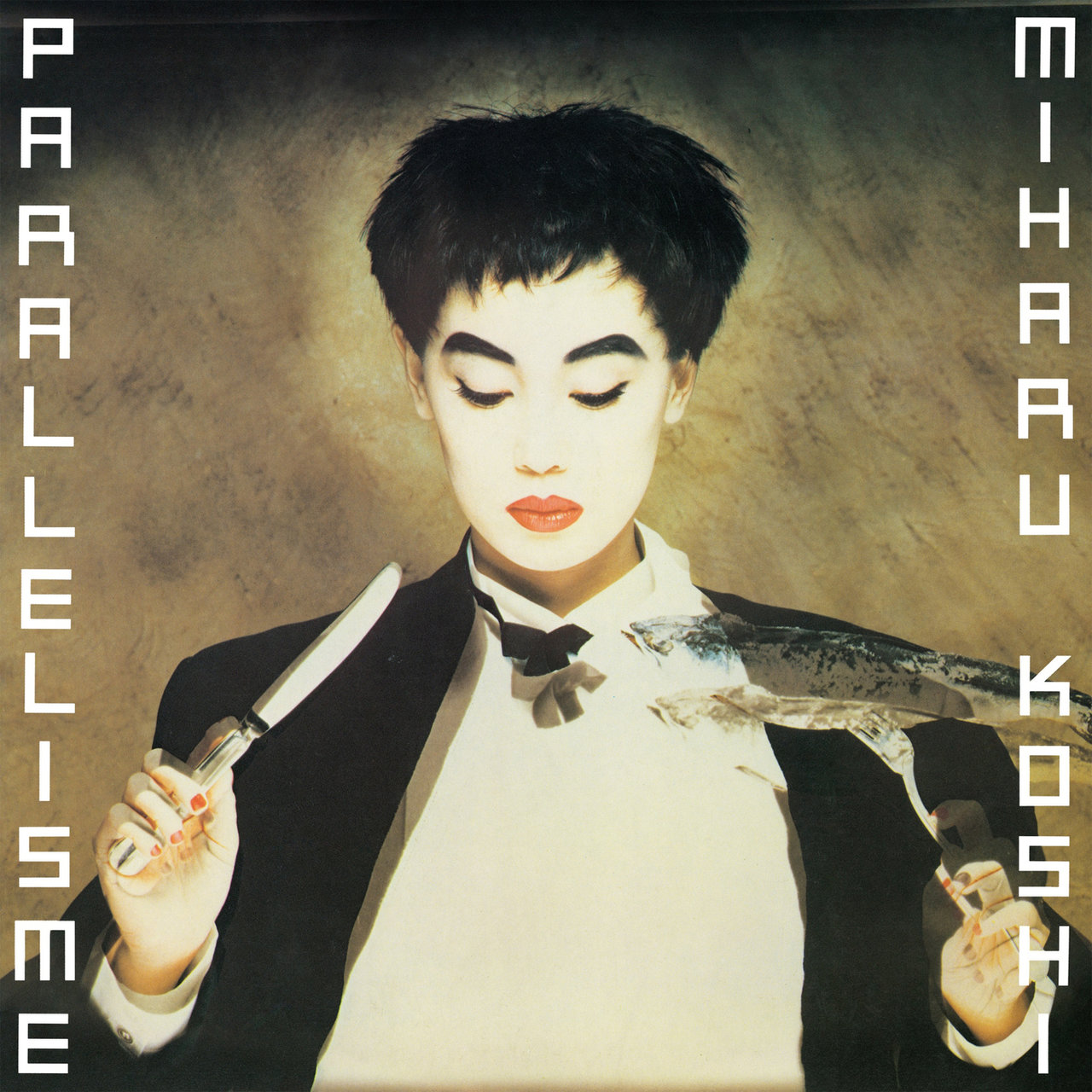
Despite Tutu’s strength, Parallelisme is the bolder statement of these two albums, a more boistrous, percussive, confrontational sounding work. You can hear Koshi and Hosono merging into almost a single musical brain, to the point where the back cover credits performances and arrangements to “Miharuomi.” I’ve no clue what Koshi’s singing about and auto-translate doesn’t help make sense of it, but “Capricious Salad” is a brilliant song title and Hosono adds backing vocals on “Image” and the title track, which are both great. The sonic imagery here is more fantastical, and also a lot more complex. You can’t really have one of these albums without the other, but Parallelisme is easily the more essential summation of Miharu Koshi’s artistry to this point.
Original Japanese pressings of these two albums go for a lot, so I haven’t heard those. In 2021, Sony reissued them on vinyl and streaming, with digital “premastering” credited to Hosono himself. I missed these reissues the first time around, so waited until the 2024 colored vinyl represses (clear pink for Tutu, clear for Parallelisme).
Of course, many of these old Japanese albums (especially 80s synthpop, especially from Sony) get louder and louder as they’re remastered over time, even to this day; contrast this with a lot of Western albums, which got louder and louder through the CD era then often a bit quieter and more dynamic as hi-res downloads and streaming took over. Hosono’s 48kHz/24bit 2021 remasters of these two Miharu Koshi albums are louder than the 2009 remasters by YMO enginer Mitsuo Koike on the Epoque de Techno twofer package, but neither the 2009 or 2021 remasters are perfect. The 2009 masters are grainy and compressed, and while the 2021 remasters are louder, they have a better simulation of three-dimensionality, along with more bass and shinier high frequencies. However, Hosono’s remasters sound a bit too shaped with a lot of multiband compression and maybe some image enhancement, so it still doesn’t sound as cohesive and full-bodied as I wish it did. It’s more apparent on Tutu, which is a thicker sounding mix than Parallelisme. Online opinions say that these recent reissues sound better than the Pick Up Records European originals, but not as good as the 80s Yen pressings, and I’m inclined to believe that. The Yen originals surely have more dynamic slam, though also note that some original Yen pressings (of other albums) sound grainy in the upper mids and generally stuffy image-wise, so I’m not sure if the original Koshi albums sounded perfect anyway.
Tohru Kotetsu at JVC Mastering Center cut lacquers for these reissues; I’ve had issues with many records he’s cut in the past (for some reason, he seems to cut almost everything at fixed pitch), but these sound fine and pretty faithful to the files. Both were plated and pressed at Sony Music Solutions in Shizuoka, which is one of the best pressing plants in the world. These discs are dead quiet. Both albums come in direct-to-board foldover jackets with replications of the original inserts as well as new inserts featuring reissue credits and translated interviews with Miharu Koshi. The only objection anyone could have is the new design on Tutu, which takes the cover photo from the 1992 CD reissue but uses the original 1983 font. I actually prefer the new cover, which feels more representative of Koshi’s music.
Testpattern - Après-Midi
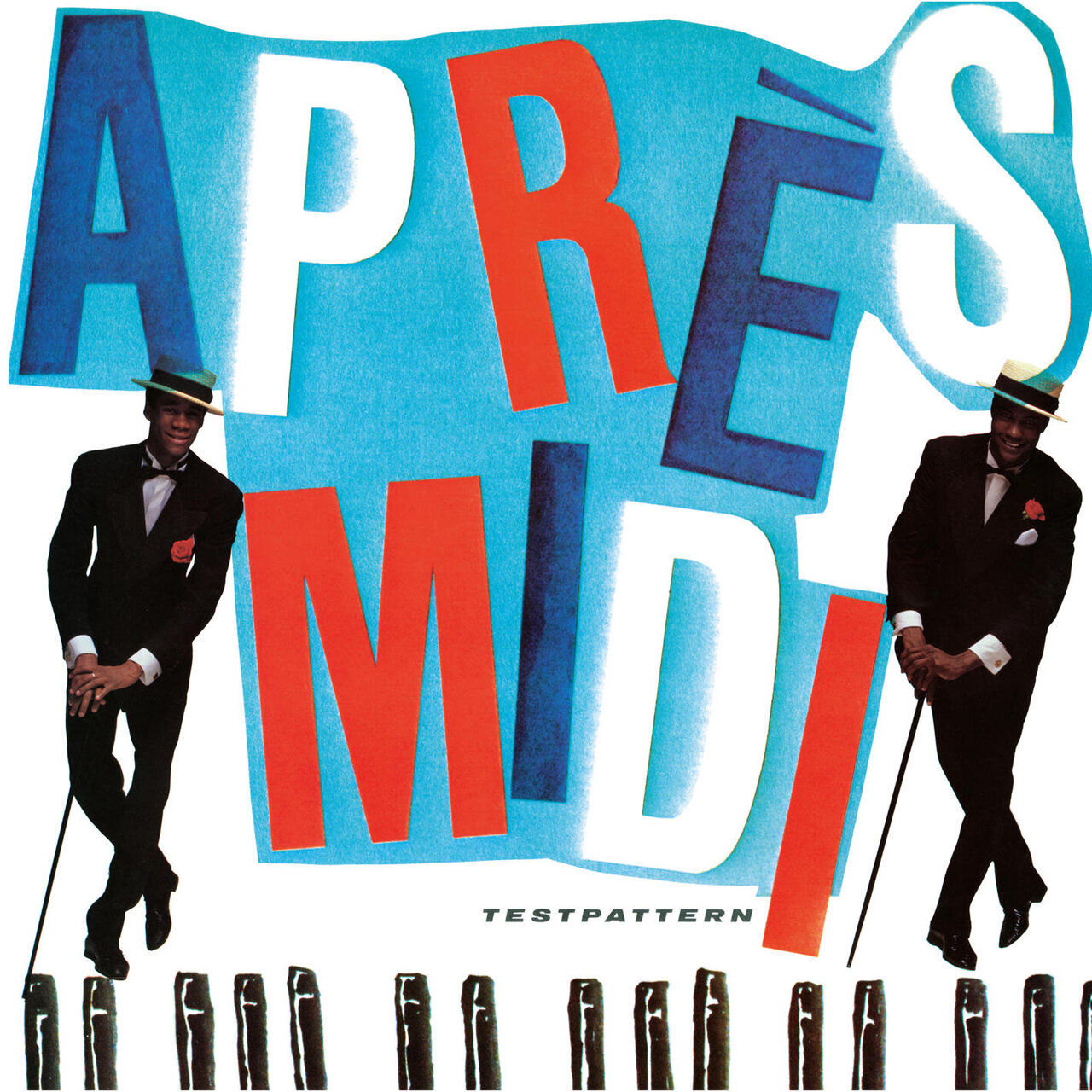
Yen/Alfa/Sony Japan MHJL 447 clear vinyl LP
Produced by: Haruomi Hosono
Engineered by: Yoshifumi Iio
Mixed by: Yoshifumi Iio
Mastered by: Mitsuyasu Abe
Lacquers cut by: Katsutoshi Kitamura at Warner Music Mastering
Music
Sound

Hardly anything is known about Testpattern, who in October 1982 released this one Yen album Après-Midi then vanished. The extent of their biography is this: Masao Hiruma and Fumio Ichimura formed Testpattern, released Après-Midi and literally nothing else solely under the Testpattern name, then parted ways. A couple years later, Hiruma performed and recorded with French-American model/singer Evelyne Bennu, and Dark Entries finally released those demos last year as an album titled Testpattern. On a 1984 Yen Records collective album credited under the overarching name Apogee & Perigee, there are two Testpattern tracks, though who knows if those were new 1984 recordings or scraps from 1982. Masao Hiruma died in 2011. And that is the complete available history of Testpattern.
Sometime in the past decade, Après-Midi became a YouTube algorithm hit, yet officially remained one of the most unavailable releases in the Yen Records catalog. The original and until recently only vinyl pressing commands hundreds of dollars, the 1990 CD is also expensive, and a vinyl bootleg appeared somewhere around 2020-2021 (according to the GZ matrix numbers listed on Discogs—GZ seems to cut and press quite a few cheap European bootlegs of obscure Japanese albums, which is odd, though I guess it looks “real” enough to them, and the Japanese music industry is so distanced from the West that there’s likely no one looking out for bootlegs, or following through with lawsuits). Last year, Sony Japan finally reissued Après-Midi on Blu-spec CD2 and vinyl; the first black vinyl reissue sold out so fast that only months later, they repressed it on clear vinyl. That says a lot, as it’s rare for Japanese second pressings to come out the same year as the first pressing.
Après-Midi was produced by Haruomi Hosono and recorded at his LDK Studio, which Alfa set up because Hosono was hogging all the time at Alfa Studio ‘A’. While Après-Midi is similar to what Hosono did himself around this time, it’s more lo-fi and skeletal, each sound rendered obvious because the space is so empty. It’s a mostly instrumental set of simple, repetitive melodies played with kitschy minimal electronics (Roland, Korg, Sequential, Linn, and a lot of the E-mu Emulator), though there’s a unique sense of childlike wonder. The few songs with vocals have basic lyrics about contentment with normal everyday life: “Walkin’ by the seaside/It’s a wonderful feeling” on “Sea Breeze,” “Life is work/Work is life/Wash all day/Cook at night” on “Modern Living,” or the refrain of “sunshine girl, I love you so” on “Beach Girl.” While the pop songs are interesting, the ambient stuff feels more complete, like the last two songs “Ocean Liner” and “Aeroplane,” which I’d describe as “mentally cleansing.” The later Masao Hiruma and Evelyne Bennu recordings are a more fully realized version of the Testpattern sound, though it’s truly a big deal to have Après-Midi back in print after all these decades. Recommended for fans of Hosono’s Philharmony or the second side of McCartney II.
For the 2025 reissue, Mitsuyasu Abe at Sony Music Studios digitally remastered Après-Midi, and Katsutoshi Kitamura at Warner Music Mastering cut lacquers. I’ve not heard an original pressing, but this reissue sounds very clean and somewhat restrained, though the recording/mix itself is pretty murky anyway, so I’m not sure how much character and texture there was in the first place. The reissue isn’t spatially immersive either, though again I don’t think this album was ever designed that way. As with everything else here, this was pressed on standard weight vinyl at the Sony Music Solutions plant in Shizuoka, and it’s flat and almost perfectly dead quiet. The packaging is a standard jacket with two newsprint inserts replicating the original, plus a new insert with Japanese liner notes and English reissue credits. The cover scans aren’t the best, but anything is acceptable here because of how long it was completely unavailable.
Tamao Koike - Yen Years Selection
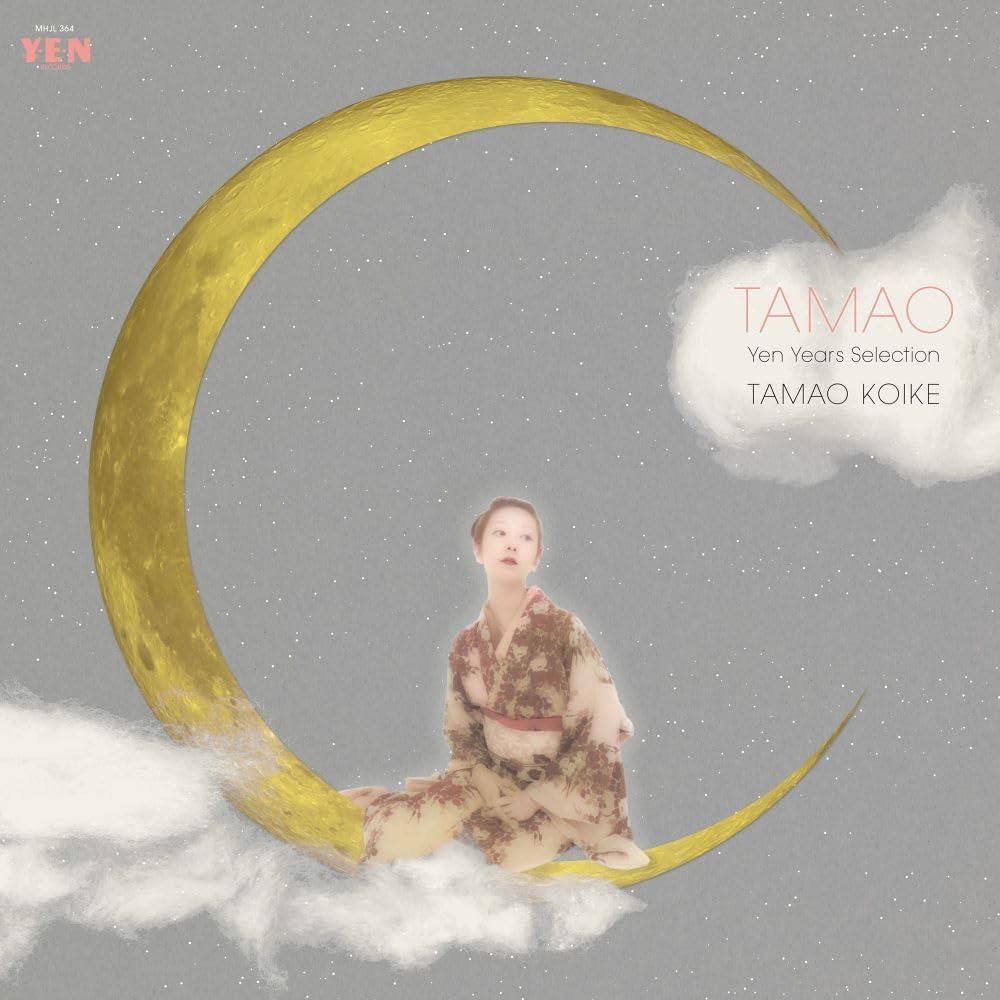
Yen/Alfa MHJL 364 clear pink vinyl LP
Produced by: Tetsushi Hiruma (executive reissue producer)
Mastered by: Yuji Chinone at Sony Music Studios
Lacquers cut by: Toshiya Horiuchi at Sony Music Studios
Music
Sound
A couple years ago, I reviewed TAMAO - Complete Yen Years, a BluSpec CD2 compilation of every version of every song Tamao Koike recorded in her early 80s attempt at techno-kayō stardom. No one commented under that review, so I assume no one listened and had anything to say, but it’s a great release featuring collaborations with YMO, Plastics’ Toshio Nakanishi, and Guernica’s Koji Ueno. It’s not too late to catch up.
One year after the CD release, Sony released a pared down single LP called Yen Years Selection, purging redundant tracks like the instrumental “karaoke versions” or the shorter but otherwise identical “TV size” version of “Sangokuchi Love Theme.” The LP has everything important, though I would’ve put the advert track “Tamago” in place of the 1985 Yen Memorial Album remix of “October In The Mirror,” which aside from minor technical differences is identical to the original. Also missing from the LP is the YMO demo of “October In The Mirror,” but that’s also listed as a bonus track on the CD and Tamao Koike herself isn’t on it, so it’s a sensible exclusion from the vinyl release.
Yen Years Selection, cut by Toshiya Horiuchi at Sony Music Studios and pressed on clear pink vinyl at the Shizuoka plant, sounds better than the Complete Yen Years Blu-spec CD2 in the usual ways that records sound better than their equivalent CDs: subtle high-frequency rolloff to reduce the digital glare, more delicate textures, more believable decay, blacker backgrounds, etc. It’s obviously cut from the same master as the CD but is more pleasant. The vinyl edition comes in a glossy foldover jacket (different artwork than the CD, but based on the same image) with a tri-fold insert that copies over everything except two photos from the CD package. Copies of the Yen Years Selection LP are still available new for a third of the price of the original “October In The Mirror” 7”; none of this material is officially available for streaming or download outside of Japan.
Jun Togawa - Uratamahine
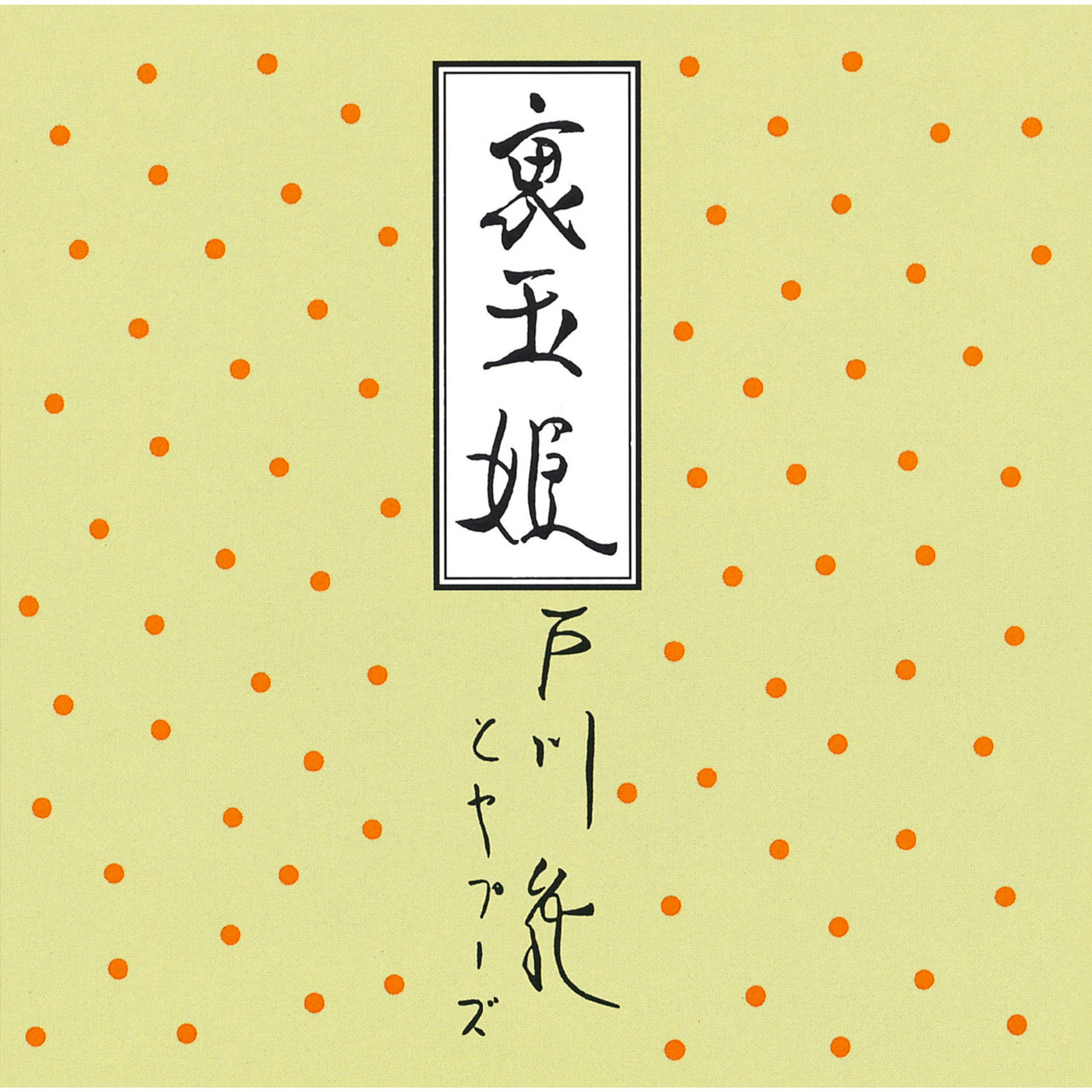
Yen/Great Tracks MHJL 199 clear pink vinyl LP
Engineered by: Various
Mixed at: LDK and Alfa Studio ‘A’
Mastered by: Hidekazu Sakai at Sony Music Studios
Lacquers cut by: Toshiya Horiuchi at Sony Music Studios
Music

Sound
Singer Jun Togawa first gained prominence as the singer in Koji Ueno’s Guernica, an experimental project that paired primitive synths with visions of pre-war operatic pop. Yes, that description probably undersells how bizarre it actually is. A couple years after the first Guernica record, Togawa broke out on her own and released the studio album Tamahime Sama on Yen. Around the same time in 1984, the label released Uratamahime, a live cassette of Togawa and her band Yapoos playing some of the material that ended up on the album. All the lyrics are in Japanese and there are no proper translations, so I’ve no clue what Togawa is singing, but the style here veers between light synthpop and post-punk nerviness, with Togawa’s quirky vocal style that puts her full range to use. It’s decent, though I prefer the studio versions of the Tamahime Sama songs, as Togawa’s live vocals can be even screechier than they are on some of her studio recordings.
Aside from a very rare promo LP, Uratamahime was never released on vinyl until this Great Tracks reissue in 2021, cut from the 2016 remaster and pressed on clear pink vinyl (I see this album everywhere online, but the 2021 first batch of pressings still hasn’t sold out, so I guess no one wants to buy it). The recording quality is decent, though the mastering is clean, antiseptic, and compressed so nothing really stands out. The Sony Shizuoka pressing is dead quiet as usual, except there’s a slight warp (still plays fine, just a bit bumpy for my cartridge). Since this is the first ever official vinyl release, the cassette pamphlet with lyrics and photos was reformatted to a full size four-page insert, and my copy also came with a couple small stickers, one with the album cover and another celebrating 40 years of Jun Togawa’s career. In all, a decent enough pressing for what this album is.




























.png)