


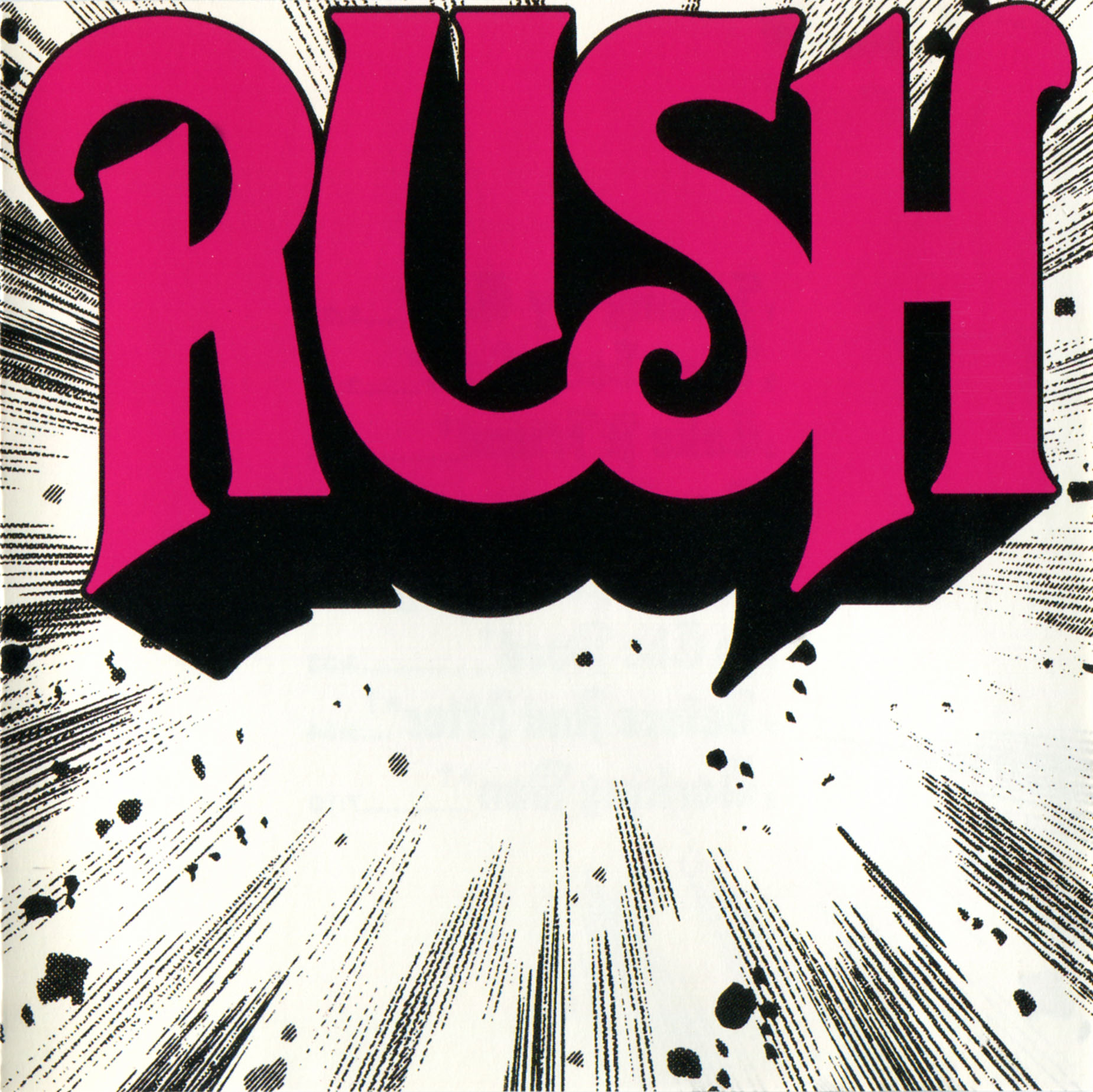
Is That Led Zeppelin? No, It’s RUSH!
A reissue of the Canadian power trio’s debut album
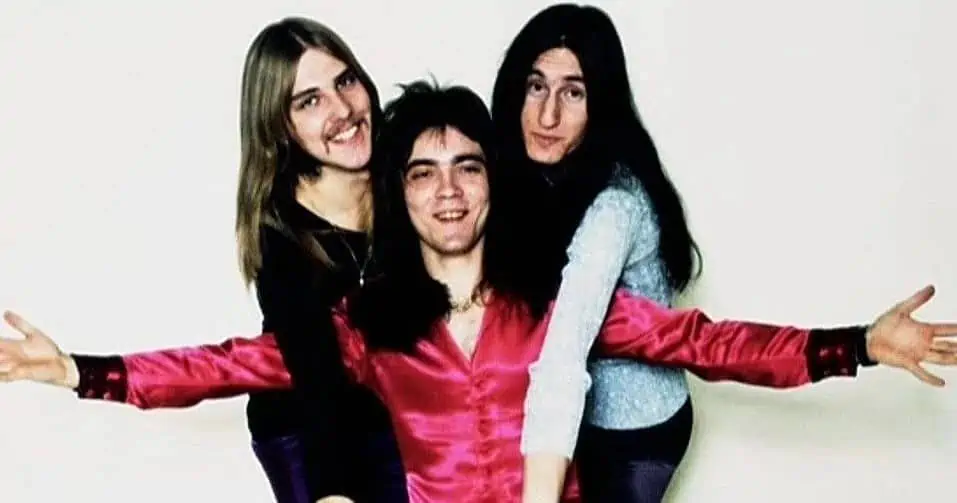
Bands like Cream and Jimi Hendrix Experience were the poster boys for the then-new musical phenomenon known as the ‘power trio,’ solidifying a guitar-bass-drums foundation rooted in blues before Grand Funk Railroad and Blue Cheer shifted into a harder trajectory. Toronto’s Rush were the next significant group to come from the boom and fuse the two sonic planes, with guitarist Alex Lifeson’s shapeshifting textures, drummer John Rutsey’s Bonham-meets-Kirke rhythm style, and bassist/vocalist Geddy Lee’s screeching falsetto.
Rush had cut their teeth performing at church halls and school dances–not a favorable fixture as they preferred performing originals over whatever was trending in the Top 40–before the drinking age in Ontario dropped to 18, refining their craft in bars and clubs. No record label was willing to sign the group, so manager Ray Daniels formed Moon Records, and the group embarked on their first recording sessions at Eastern Sound in mid-1973. Although the sessions gave way for the group’s first single, a cover of Buddy Holly’s “Not Fade Away,” they were deemed unsatisfactory. Rush relocated to Toronto Sound and worked with engineer Terry Brown; it was the start of a working relationship that spanned over eleven albums in just under ten years.
Released in March 1974, Rush’s eponymous debut album exploded onto the Toronto local circuit. Tracks like “Finding My Way,” “Need Some Love,” and “What You’re Doing” single out the group’s embryonic sound, best described by KISS’s Gene Simmons as ‘Canadian Zeppelin,’ while lengthier cuts like “Here Again” and “Before and After” featured more adventurous arrangements that still established a hard rock foundation. It was thanks to disc jockey Donna Halper of Cleveland’s WMMS for breaking the group in the States when she put “Working Man” into heavy rotation, making it a Midwest blue-collar anthem. This led the group to secure a record contract with Mercury Records. Within this brief period of sudden yet exciting changes, drummer John Rutsey’s tenure came to a halt due to health reasons and not jiving with the progressive rock style that Lifeson and Lee were keen to explore going forward. The international re-release of Rush’s debut in August 1974 and the group’s first American tour coincided with the arrival of drummer/lyricist Neil Peart, and the rest was history.
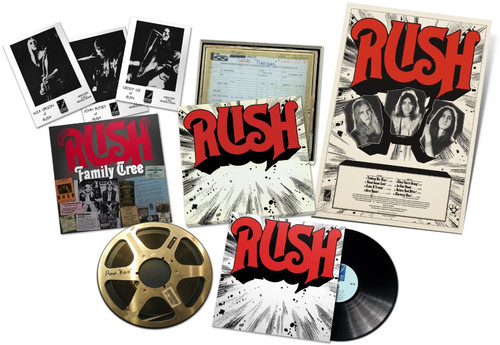
Rush’s debut was reissued once before on vinyl as part of Universal’s ReDISCovered series in 2014, the year of the album’s 40th anniversary. This version–packaged as a box set including a replica shop poster, three individual photos from the group’s first press kit, and a family tree– faithfully replicated the original Moon Records pressing (everything from the jacket to the center label). After selling out and going out of print, the box set reappeared in 2023. Universal’s new standalone reissue is now based on the Mercury re-release, bearing the ‘skyline’ center label.
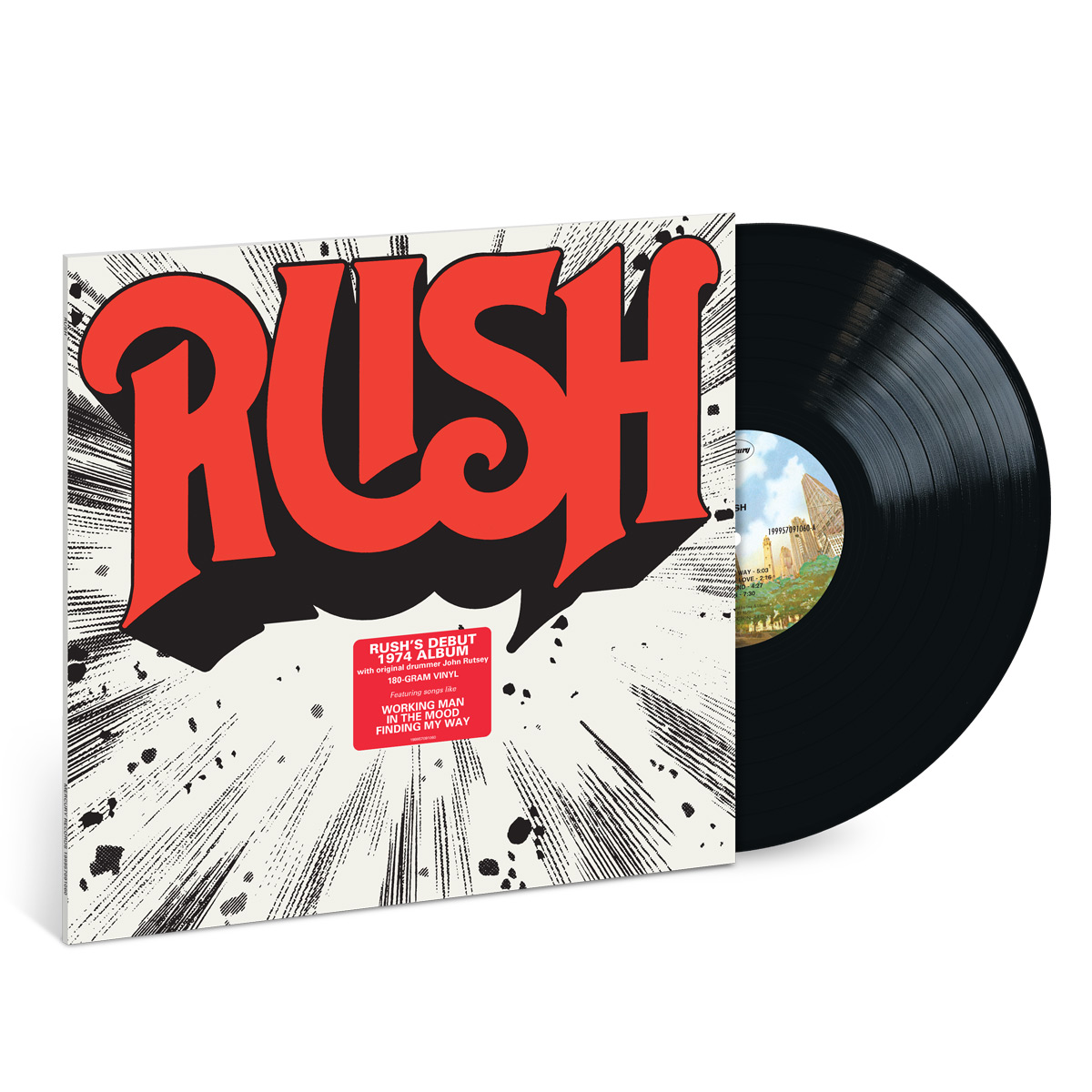
Abbey Road’s Sean Magee played a very hands-on role in the 2014 pressing, handling both the digital transfer of the quarter-inch master and the DMM lacquer cutting, and the result was a respectable-sounding pressing. Both the 2023 re-press and this standalone reissue make use of Magee’s digital master as the source, but cut by one of GZ Vinyl’s in-house engineers.
.jpg)
On this reissue just as Alex Lifeson’s guitar gradually builds in the introduction of “Finding My Way,” you’d think the band explodes pleasantly when they come in, right? WRONG! What should’ve been a total aural assault through the speakers felt flat and thin. The lack of dynamics obscures some of Lifeson’s layered textures, particularly the acoustic guitar that underlies the chorus-soaked leads on “Before and After,” but the power chords on “Working Man” sound absolutely beefy and potent. There’s some solid mid-frequency emphasis on Geddy Lee’s bass tone, leaving much to be desired on the bottom end of the slow-and-steady “Here Again”; Lifeson’s lead solo has an effective roomy quality to it. His vocals mostly excel throughout this album, having so much depth on “Need Some Love” and taking center stage on “Take a Friend.” “What You’re Doing” and “In The Mood” are heavy-handed groovers, but instead of cranking my volume knob to let loose in no-frills rock and roll, I found myself doing so because it’s a fairly quiet cut.
Rush’s fanbase rivals any other that’s so loyal and passionate, and it’s a shame that Universal continuously servicing them with shoddy-sounding vinyl releases. Mobile Fidelity Sound Lab reported at AXPONA this year that they were going to release some of the group’s Mercury catalog in a multitude of one steps, 2xLP 45rpm cuts, and SACDs this year through to 2028; bring it on!!































.png)