
"The Nutcracker" on Record - Part 1
A Seasonal Tour through Tchaikovsky’s Magical Score - on vinyl and CD/SACD/streaming
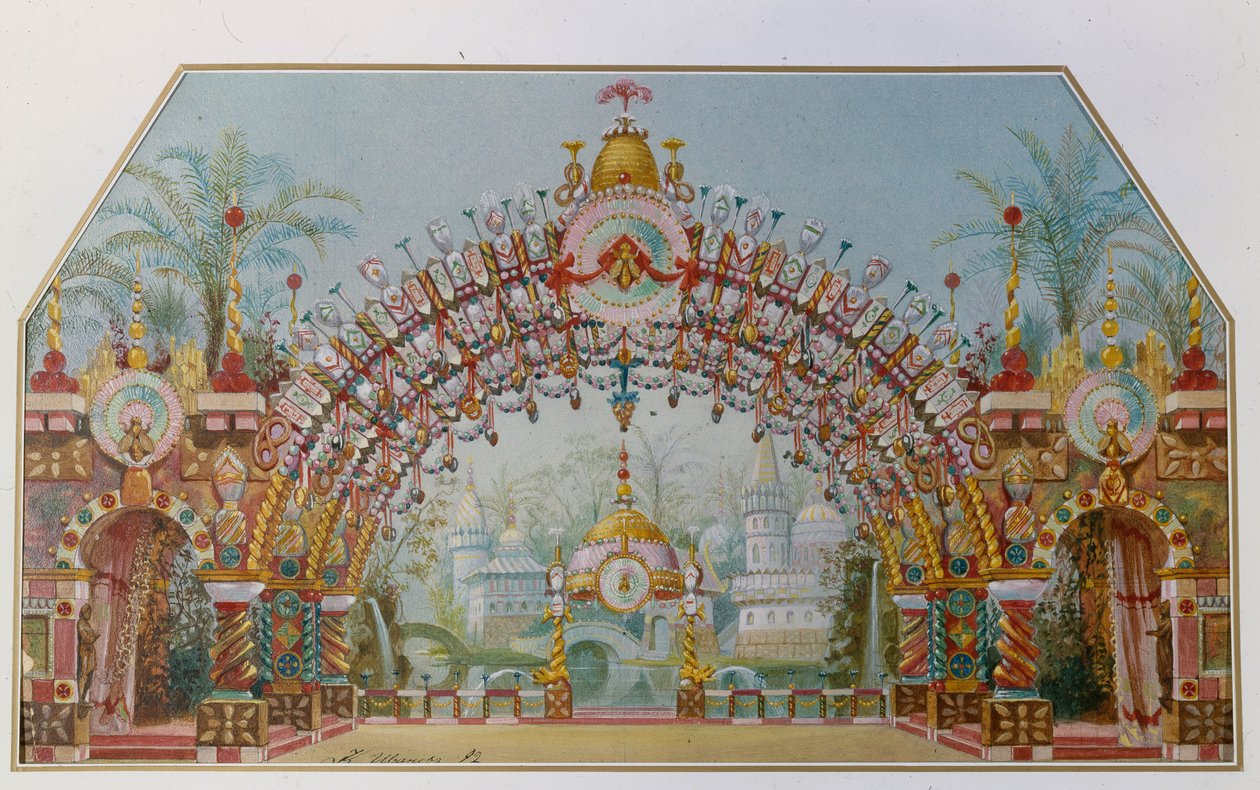 Original Set Design by Konstantin Ivanov for Act 2 of The Nutcracker, from the 1892 first Production.
’Tis the season…
(to the tune of "The 12 Days of Christmas")
ALL TOGETHER NOW —
“On the _nth day of Xmas, my true love sent to me…
Many snowflakes dancing…
Flowers waltzing too…
Christmas trees a-growing…
Russian cossacks leaping…
Sugar Plum Fai — ryyyy —
NUT - CRACK - ER - PRINCE!!!
Evil mice attacking…
Arab coffee dudes…
Mirliton whatevers…
And a Xmas Treat that Never Gets Old!”
And children the world over (though, let’s face it, more girls than boys) head into theaters in their finest Xmas togs to revel in the fantasy of it all, joined by not a few of their parents, relations, friends and other young-at-heart adults who all happily share in the merriment. We wouldn’t miss the fun of it all for anything.
That’s me, aged around seven, heading off to the theater with my parents and their friends and half the kids of England on the traditional British Boxing Day (day after Christmas) matinée outing. For my family this year no pantomime. Instead we’re headed to The Nutcracker, getting its annual performance at the Royal Festival Hall (converted into a theater for the occasion). By this time I was already something of a Nutcracker savant, having played my father’s mono copy of the suites extracted from the ballet to death.
But this was my first time seeing it in the theatre, and it did not disappoint.
Decades later, half way across the world in sunny Los Angeles - about as far away as you can get from the wintry and magical realms of the ballet itself - the Nutcracker Xmas tradition re-established itself with my daughter. Right from her first year of ballet classes, aged 4, she would participate in her school’s annual performance of scenes from the ballet.
As the years went by she graduated from “child milling around at Xmas party” to dancing one of the Chinese tea ladies in the grand divertissement scene in the Second Act (where many of the most famous tunes reside), and finally to the corps de ballet waltzing flowers and snowflakes.
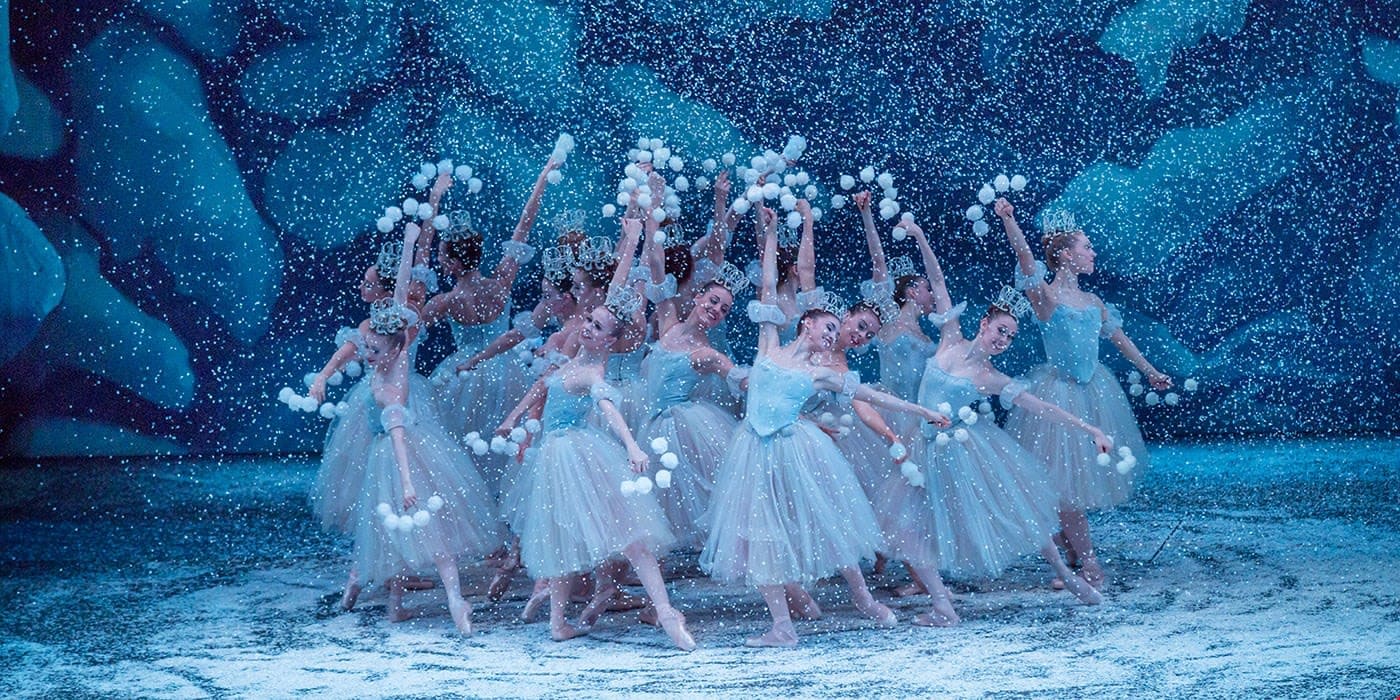 New York City Ballet's famous production, choreographed by George Balanchine: the Waltz of the Snowflakes
And of course in between we went to several professional productions, including American Ballet Theatre’s colorful reinvention, and the Mariinsky (formerly Kirov) Ballet’s more traditional outing, which featured the usual stunning corps de ballet work (a signature feature of the company), but which was also a little musty and old-fashioned in comparison. (We always went to see the Mariinsky when they came to LA, in part because my daughter’s teachers were former members of the Company).
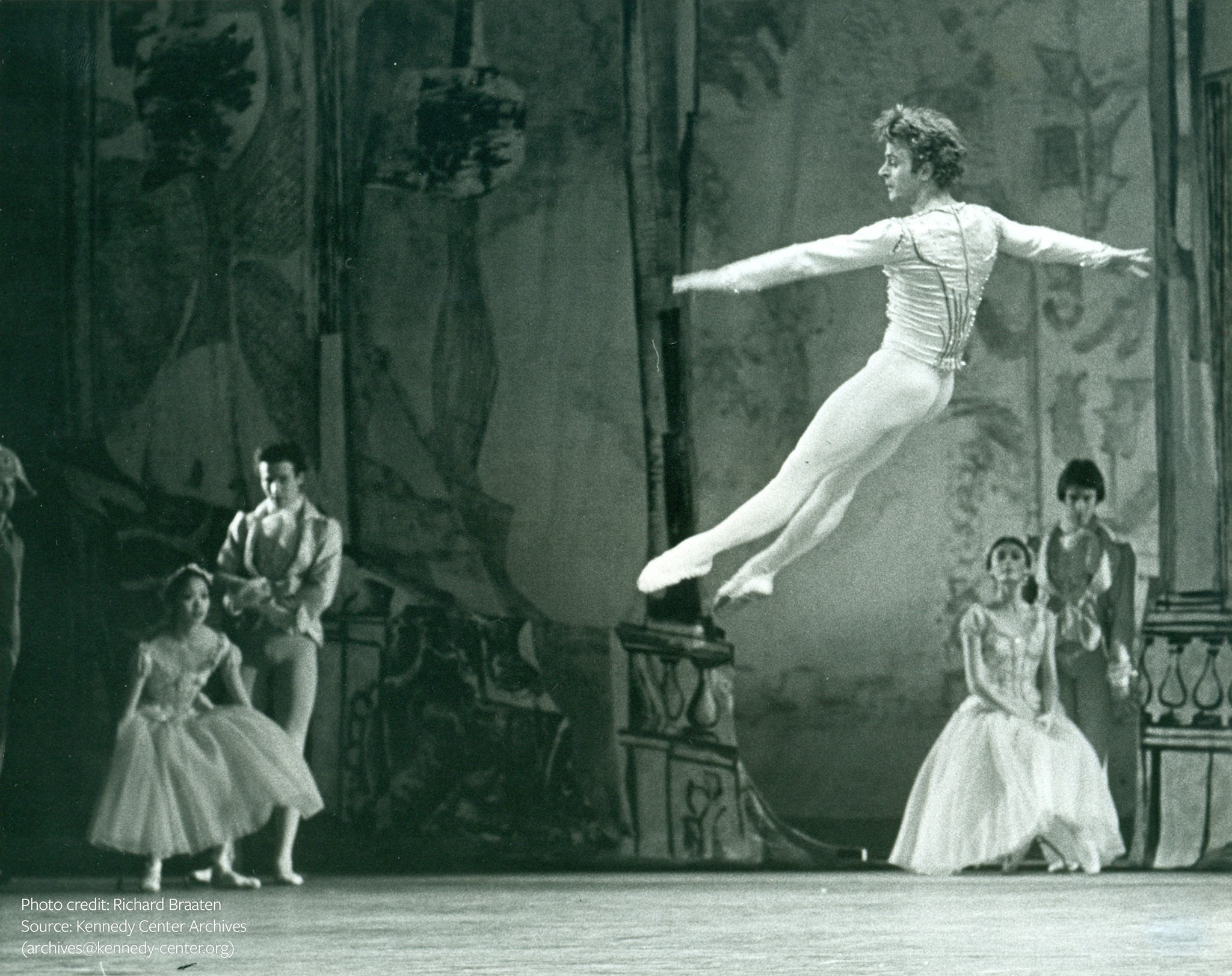 Mikhail Baryshnikov in American Ballet Theater's production. For years, the filmed version of this was a staple of public television during the holiday season.
Nevertheless, whatever the production, whether professional slick or amateur homespun, The Nutcracker never fails to exert its seasonal charms. For me it remains the essential piece of music I must listen to every year at this time, along with a healthy smattering of carols plus Messiah (Part 1 at least), and the usual smorgasbord of Nat King Cole, Ella, Frank, Fats Domino (hell yeah!), Vince and the other usual suspects. (I am especially fond of my various Easy Listening Xmas compendiums).
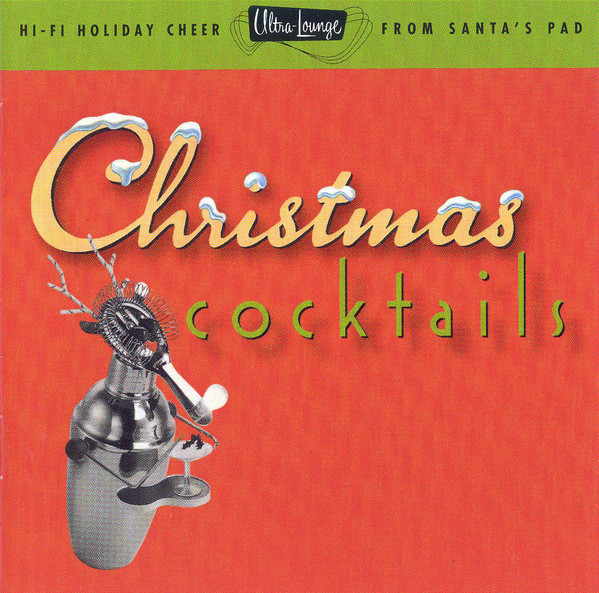
But, if I’m honest, if it had to be one piece of music that defines Christmas for me, The Nutcracker is it. I also listen to it year round - either the complete ballet or the Suite of movements extracted mainly from Act 2. It is simply one of the greatest classical masterpieces ever penned, full to the brim with melodic invention and colorful orchestration. It never gets old. I’ll take it over Tchaikovsky’s Swan Lake and Sleeping Beauty, and any of his symphonies or concertos, any day of the week. Don’t let anyone ever tell you that old Peter Ilyich is a lesser composer for being so tuneful and fun to listen to - too “commercial”, too “superficial”, not an “innovator” (and the old grey beards of classical music will tell you that all the time, the same way they put down that other popular “hack” Puccini). No, Tchaikovsky would be in the pantheon for Nutcracker alone, never mind all the other masterpieces.
.jpg) Peter Ilyich Tchaikovsky (1840-1893), as painted in the year of his death by Nikolai Kuznetsov.
Peter Ilyich Tchaikovsky (1840-1893), as painted in the year of his death by Nikolai Kuznetsov.
Given all this would it surprise you to learn that the work was a relative failure in its early years? Like so many other subsequent hits (Bizet’s Carmen for one), The Nutcracker took time to find its audience and establish itself in the repertoire. In fact it was the orchestral suite drawn from the score that premiered first and found greater favor with audiences. The full scale theatrical presentation, the second of the composer’s collaborations with master choreographer Marius Petipa after Sleeping Beauty (Swan Lake, Tchaikovsky’s first ballet, was not choreographed by Petipa until after the composer’s death), was not so well received.
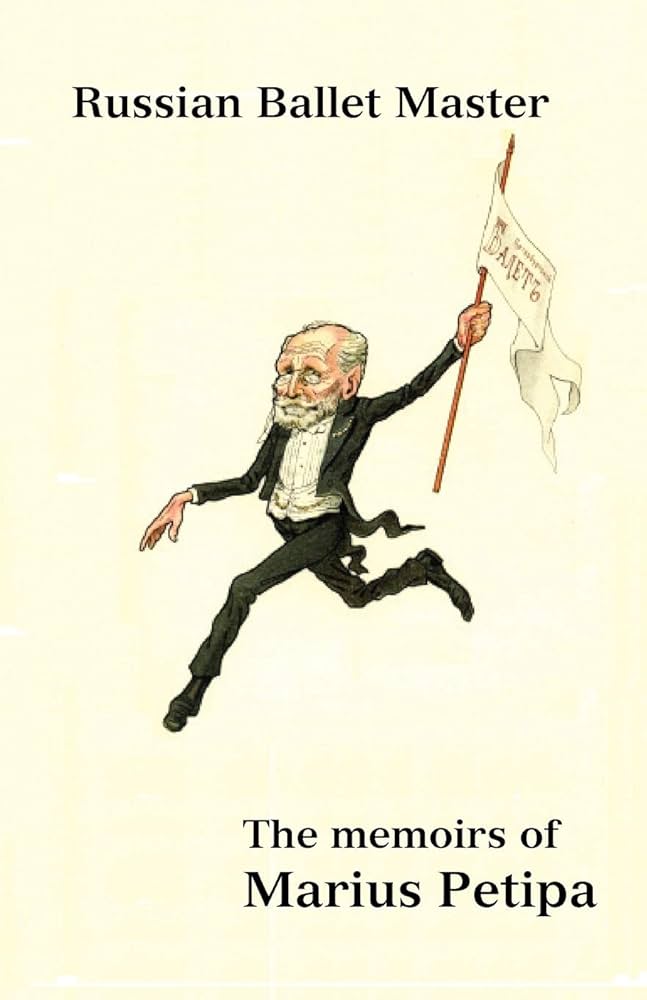 A famous contemporary caricature of Marius Petipa, which then adorned the cover of his Memoirs.
When reading about Tchaikovsky and The Nutcracker in a book written around 1950, one finds the comment that the ballet was somewhat successful, but that since that time (1892) there have been very few performances outside Russia. How times have changed!
[Orrin Howard (1924–2015), LA Phil Archivist]
Let’s be honest. The scenario of The Nutcracker, drawn from the German fairy tale by E.T.A. Hoffman titled The Nutcracker and the Mouse-King, is a decidedly odd one. It is full of events and characters - like a menacing toy maker, an army of attacking mice, an expanding and growing Xmas tree, a journey to a land of sweets, plus dancing Chinese, Arabs, Russians, Mirlitons (what the hell are mirlitons?**), snowflakes, flowers and that Sugar Plum Fairy - that could just as easily be the stuff of nightmares as Xmas wonder.
[**Footnote: the mirlitons in Nutcracker are reed-flutes, and their dance - often portrayed by shepherds and shepherdesses brandishing same instruments - is particularly memorable musically. So memorable, in fact, that it became the soundtrack for a series of popular adverts in the UK for Cadbury’s Fruit and Nut chocolate bars, with a vocal by the famous humorist and writer Frank Muir.]
In fact the original story by Hoffman was so weird that major changes had to be made, and even then Tchaikovsky still had mixed feelings about the scenario for the ballet. “I like the plot of Nutcracker - not at all”, he famously remarked. A little digging revealed some more choice opinions from the composer, who often felt his music fell short of the mark in masterpiece after masterpiece (thank goodness he had his patroness, Nadezhda von Meck, to keep his spirits up). As he struggled with all the colorful vignettes in the Kingdom of Sweets, for many the high point of the score, he stated: “Even more than yesterday, I feel absolutely incapable of depicting the Kingdom of Sweets in music”. Posterity begs to differ. Elsewhere he remarked: “The ballet is infinitely worse than The Sleeping Beauty, of this I’m sure”.
But then again, the composer had a habit of denigrating his own work in comparison to other composers’.
Orrin Howard:
In a letter to his patroness Nadezhda von Meck he wrote: “I have just heard some new music, the ballet Sylvia by the French composer Delibes (1836-1891). I knew it before from the piano arrangement, but in the wonderful performance of the Vienna orchestra it completely charmed, particularly the first part. My own Lake of Swans is simply trash in comparison with Sylvia.” (How self-effacing, and wrong, can a great composer be? Although Sylvia is delightful.)
The fact is, not only is the sequence in the Kingdom of Sweets full of the requisite enchantment and delight, owing to Tchaikovsky’s melodic gifts and utterly original orchestration, the rest of the ballet is a tour de force of symphonic and dramatic writing that can stand on its own as pure music. You can hear the composer reaching for a future that, alas, was not to be. He was dead a year after completing the work. Imagine if he had lived to compose ballets for Diaghilev’s Ballets Russes, like practically every other composer of the period - entirely possible. As it is you cannot listen to Stravinsky’s Petrushka without being aware of its roots in The Nutcracker.
The entire action of The Nutcracker is seen through the eyes of our heroine, Clara, and in many ways unfolds as if it were the fevered dream of a child over-excited at the prospect of Christmas, and overwhelmed by her romantic “crush” on her new Nutcracker Prince toy.
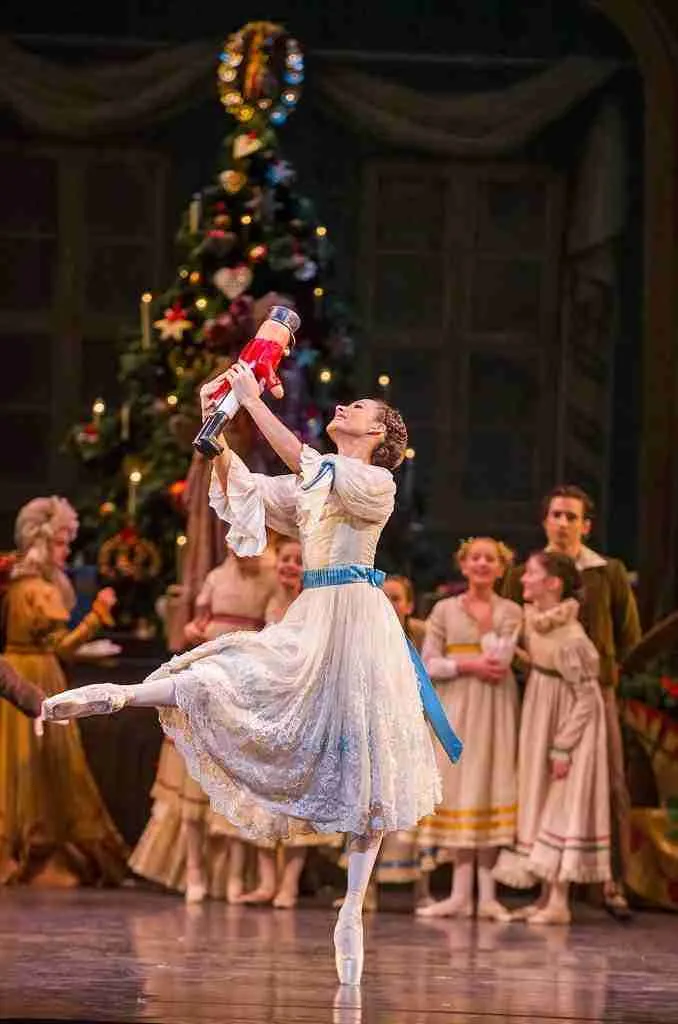 Francesca Hayward as Clara in the Royal Ballet production
Some productions hint at this Freudian/Jungian underpinning more than others. The Act 1 sequence of children arriving for the Christmas party, the arrival of the mysterious toy maker Drosselmeyer, the surreal growth of the house Xmas tree, the invasion and battle of the mice and the transformation of Clara’s toy nutcracker into a handsome Prince fending off the marauders - all of this is conveyed in music full of melodic charm alternating with vast symphonic sweep.
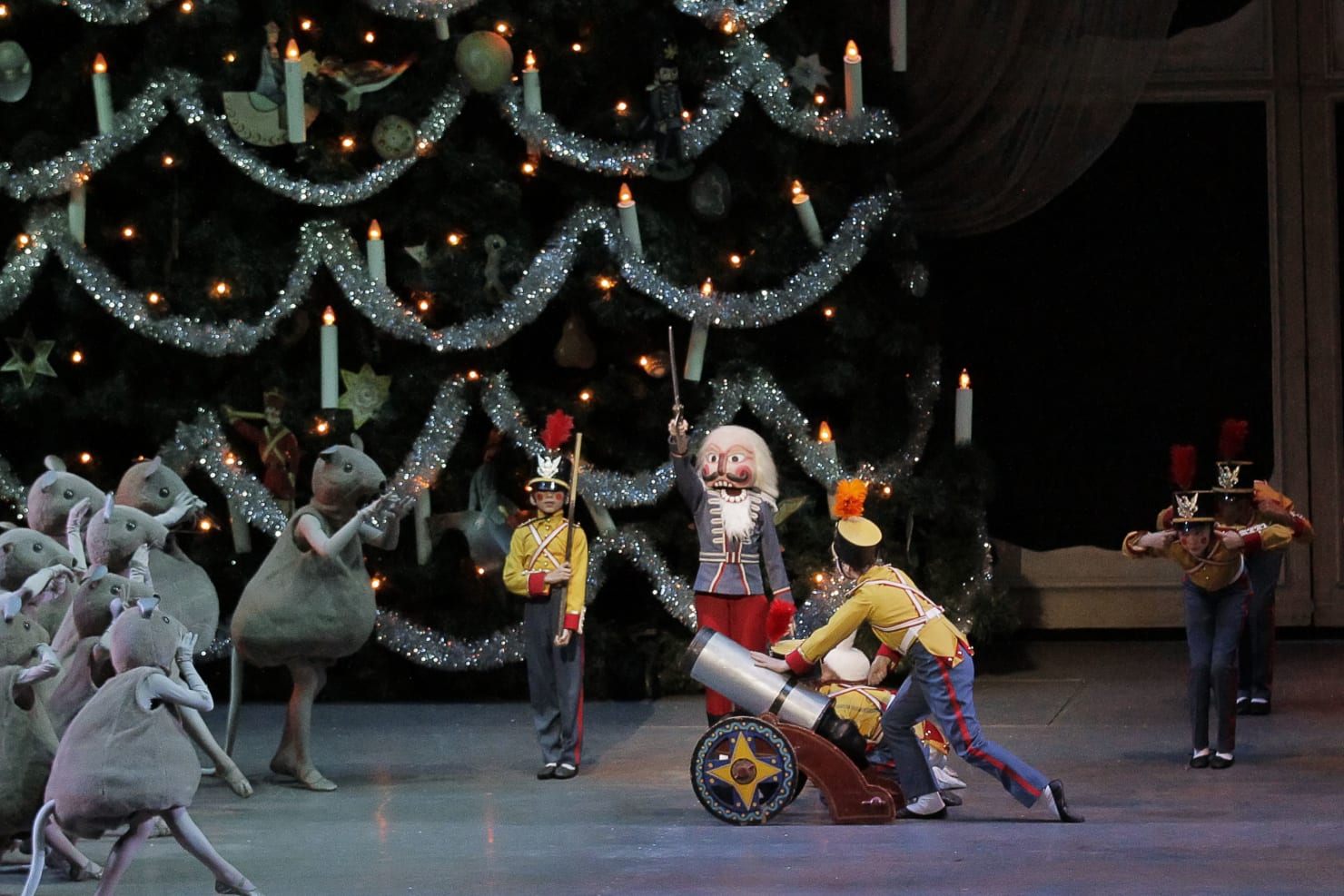 The Battle with the Mice in George Balanchine's NYC Ballet Production
In the transition sequence as the Nutcracker Prince takes Clara off to the Kingdom of Sweets in a snowbound sleigh, we have the Waltz of the Snowflakes, one of Tchaikovsky’s most enchanting creations. To his swirling musical eddies that capture the crystalline flakes in all their floating delicacy he adds the simplest of melodies sung by a wordless children’s chorus. It is spellbinding, and is for me the supreme moment in the entire score.
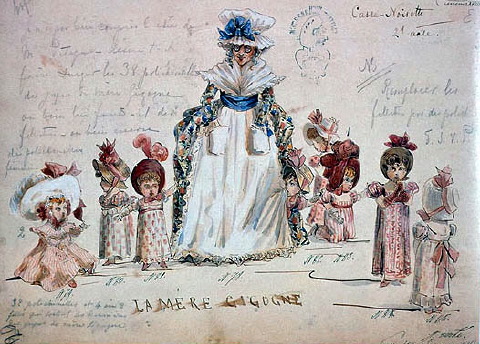 Original Production Costume Sketches by Ivan Vzevolozhsky from Act 2
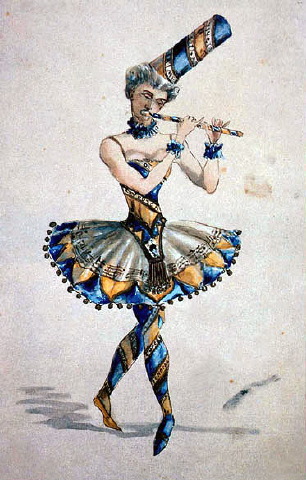 Design for the Mirlitons - Dance of the Reed Pipes
During the character dances in Act 2, Tchaikovsky’s diverse use of unusual instrumental combinations is to the fore (as well as a sure sense of musical parody), culminating in the use of a brand new instrument the composer had just discovered.
Orrin Howard:
In 1891, Tchaikovsky wrote to his publisher Jurgenson: “I have discovered a new instrument in Paris, something between a piano and a glockenspiel, with a divinely beautiful tone. I want to introduce this into The Nutcracker and the symphonic poem The Voyevode. The instrument is called the Celesta Mustel and costs 1200 francs. You can only buy it from the inventor, Mustel, in Paris. I want to ask you to order one of these instruments. You will not lose by it, because you can hire it out to the concerts at which The Voyevode will be played, and afterwards sell it to the Opera when my ballet is put on. Have it sent to Petersburg [and now for the intrigue] but no one there must know about it. I am afraid Rimsky-Korsakov and Glazunov might hear of it and make use of the new effect before I could. I expect the instrument will make a tremendous sensation.” One would think it difficult for a tinkly little instrument, even a lovely-sounding one, to make a sensation, much less a tremendous one. But it did – and still does – and gives a special radiance to the Sugar Plum music. Tchaikovsky’s instrumental idea was right on the money – Jurgenson’s money.
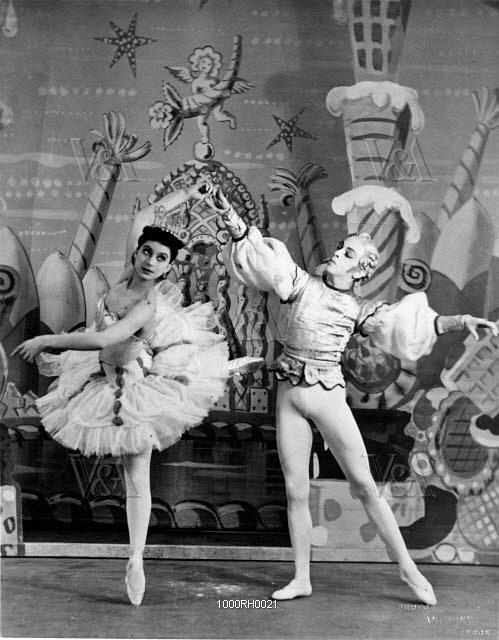 Margot Fonteyn (Sugar Plum Fairy) and Robert Helpmann in the Royal Ballet Production. (Eagle-eyed film fans will recognize Helpmann from The Red Shoes and Chitty Chitty Bang Bang).
Also of note in Act 2 is the huge set-piece, the Waltz of the Flowers, one of Tchaikovsky’s greatest examples of the waltz form, with a melody that, as far as I am concerned, is second to none of the justly celebrated waltzes in his two other great ballets. This is included in the standard Nutcracker Suite extracted from the ballet, and rightly so. It is simply one of the glories of the classical repertoire. (In fact two of the best recorded performances of it are to be found in records of just the Suite from the ballet - more on this later).
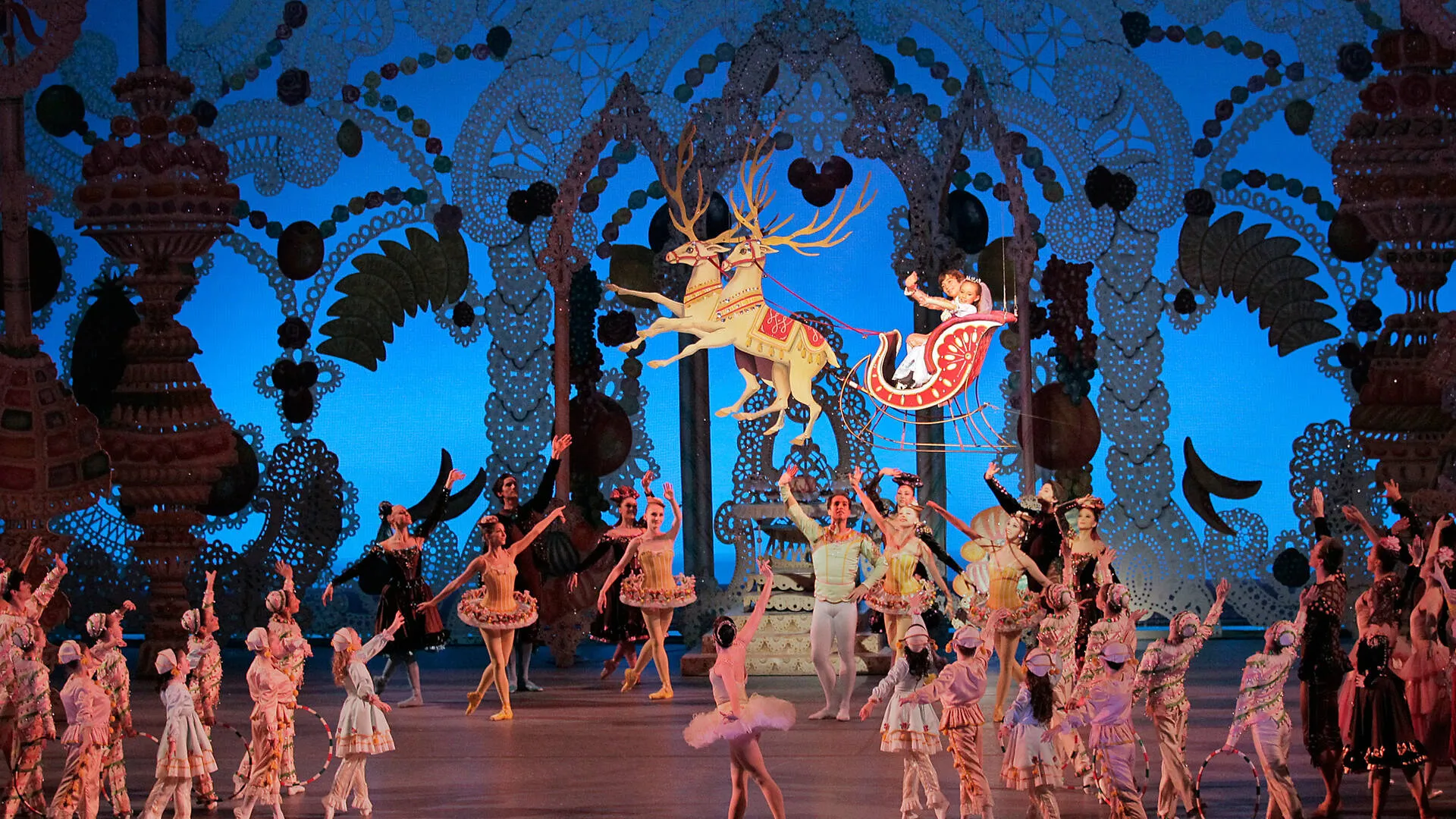 Leaving the Kingdom of Sweets in the NYC Ballet Production
By the end of this phantasmagoric journey, Clara returns to the comfort and safety of her bed in her nursery. Was it a dream? The world of The Nutcracker belongs in the same realm as other classics of children’s literature like Lewis Carroll’s Alice in Wonderland and Through the Looking-Glass, plus any number of Roald Dahl books, where a series of strange, surreal, almost hallucinogenic experiences that befall our hero or heroine are contrasted with the normality and “safety” of the nursery and a loving family. The question hovers in the air for Clara as much as it did for Alice, Charlie, James and their ilk: is "normality" overrated?
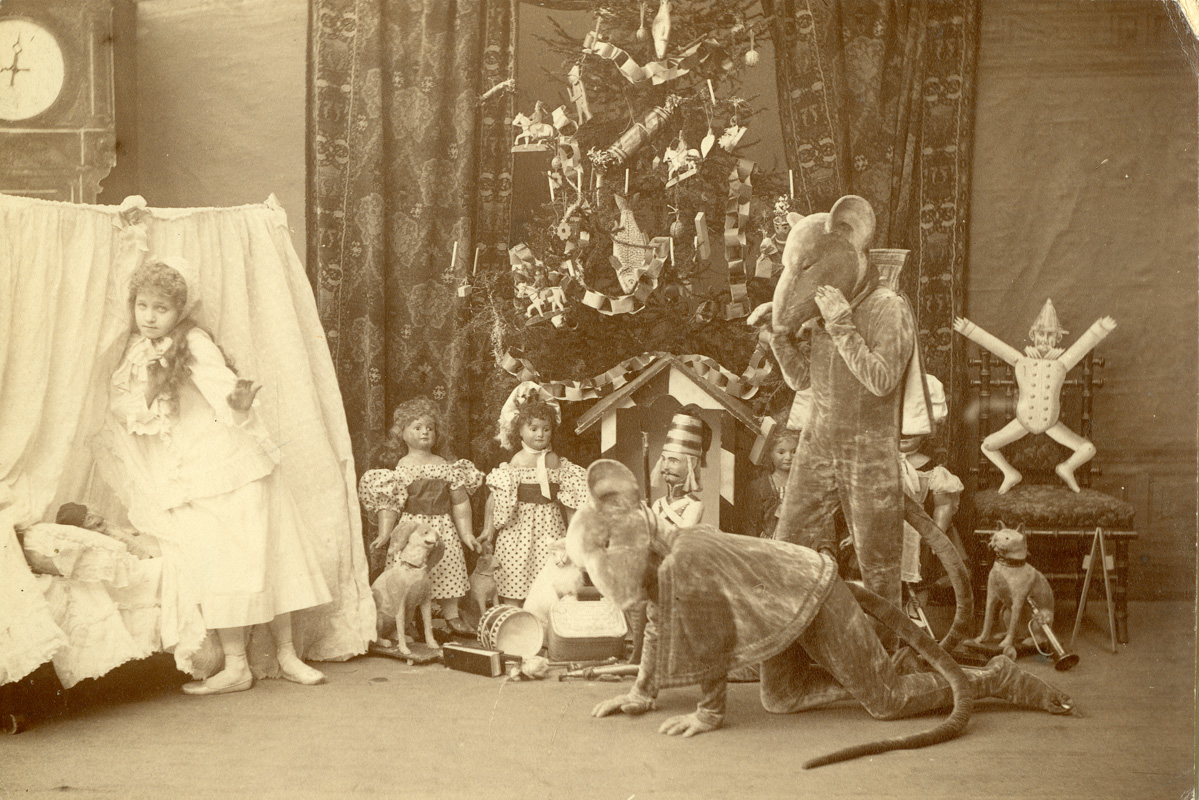 Nursery Dreams or Nightmares? From the original 1892 Production, with Stanislava Belinskaya as Clara
Despite his protestations at having to return to more episodic, coloristic writing (versus the dramatic symphonic spread of Act 1), Tchaikovsky’s music for the divertissement character dances of Act 2 is an evocation of the fantasy and wonder he recalled from his own nursery days. The score is nothing less than a musical apotheosis of idealized childhood, irresistible to adult and child alike. No wonder it continues to resonate with audiences the world over.
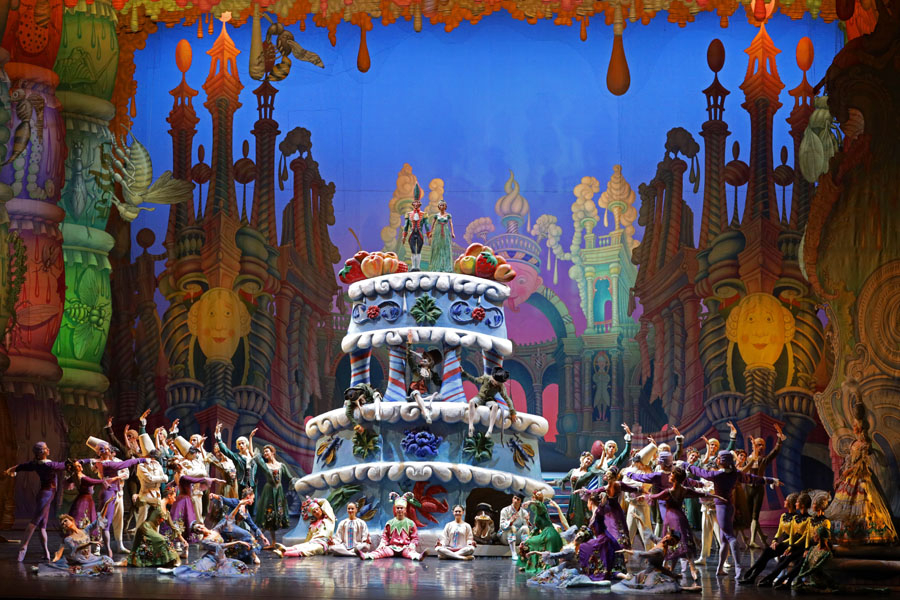 Act 2 of The Nutcracker in the Maryinsky Production
As you can imagine, with a work as popular as this one, there are many, many recordings of both the full ballet and the Suite (or various extended extracts, as is the case with Fritz Reiner’s somewhat charmless version on RCA Living Stereo). It’s a work that has fared well on record, but in my opinion there are some clear benchmark versions to be sought out on vinyl and CD (plus SACD). Several of these also live in absolutely peak sonics - another reason for dedicated audiophiles to take note. Every year at this time I pull out one or more of these versions for a bit of quintessential Christmas cheer. The music’s frankly miraculous sense of wonder and magic is all you need to take your mind off your and the world’s troubles for an hour or two.
And you can be sure these recordings will find their way back into my sound system at some other point in the year too.
THE FULL BALLET - ON VINYL
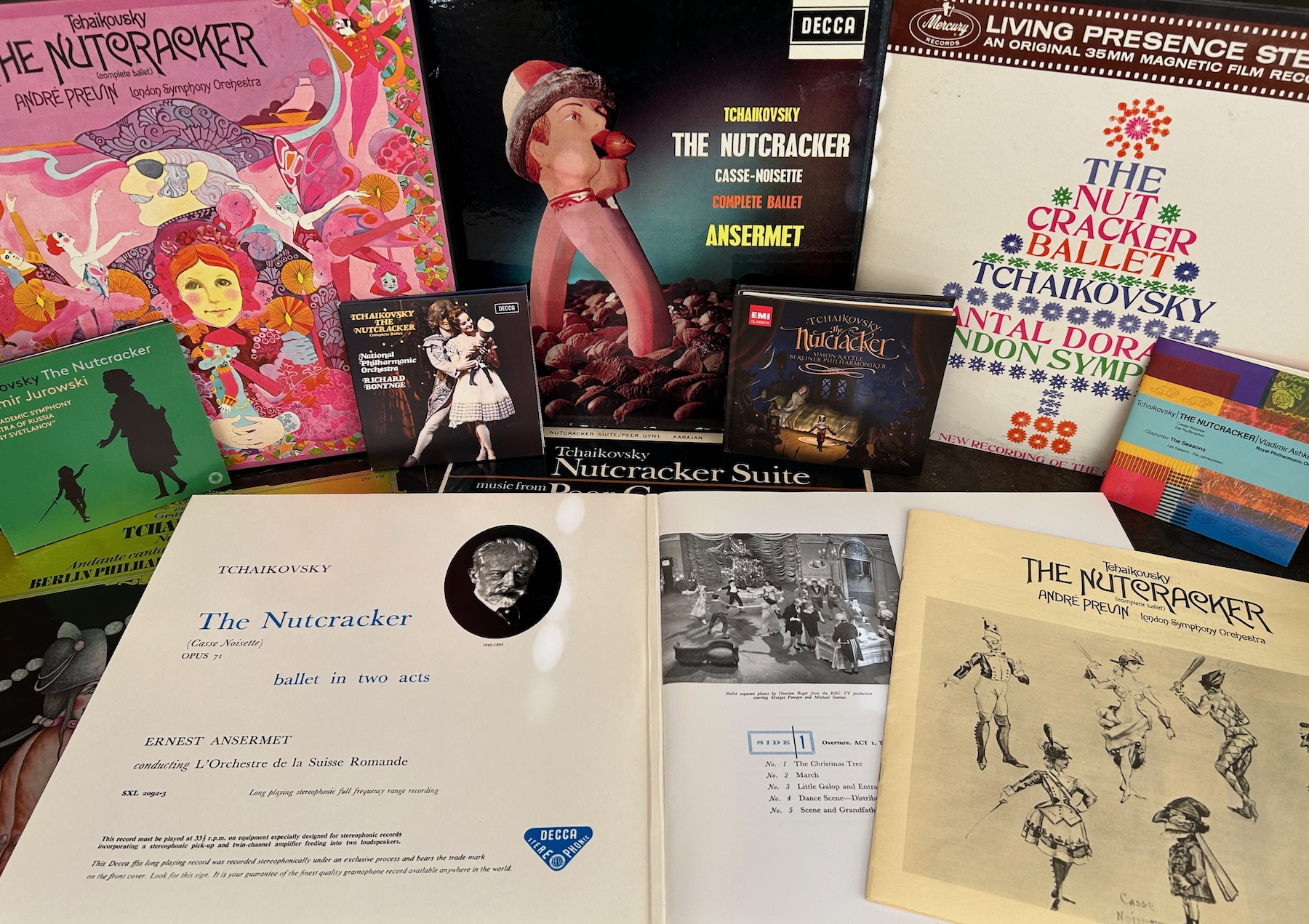
There are three vinyl versions of the full ballet which I consider to be essential, and all are captured in superb sound - albeit of a very different character from each other.
Let’s begin with…
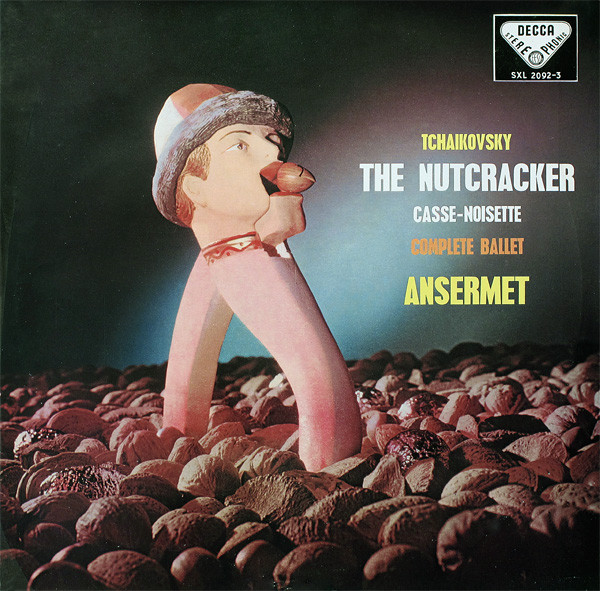
For many, this remains the perennial favorite. Ansermet was never more at home than in ballet music, and Russian music, and you can hear in every bar his ability to make the music dance. As with all the Decca Ansermet records, the grooves seem sprinkled with fairy dust, and any minor shortcomings in the ensemble playing and sonic character of the Suisse Romande Orchestra are irrelevant in the face of the sense of wonder that is conveyed throughout. (The somewhat reedy oboe and cor anglais sound is not to everyone’s liking, but I love the fact that the orchestra sounds exactly like what it is - a French orchestra of the 1950s).
And then there’s the quality of the recorded sound itself. Decca excelled itself with its Ansermet recordings, capturing the immediacy and full tonal and timbral range of the orchestra together with the acoustical halo bestowed upon the proceedings by their regular recording location, the Victoria Hall in Geneva.
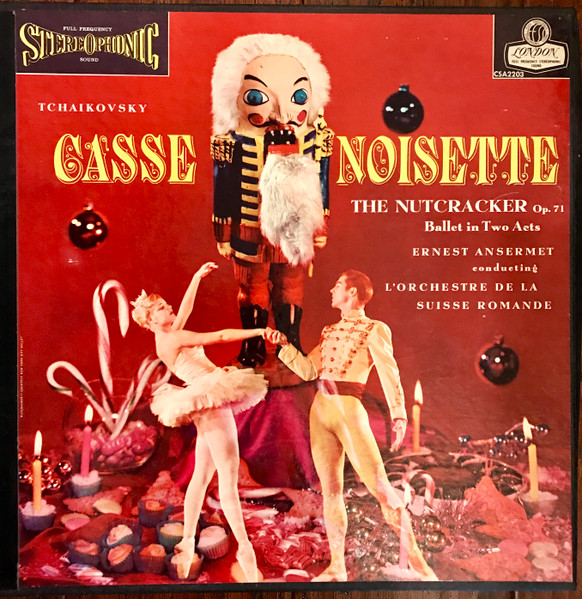 The Alternative Artwork for the US London Records version (but still pressed in UK).
The score is a study in opposites, ranging from the most intimate, delicate use of the orchestra - for example, the Overture, which excludes all bass instruments, and the Dance of the Sugar Plum Fairy - to full-blown symphonic scoring, as in the growth of the Xmas tree and battle in Act 1. Here these contrasts are caught to perfection. Ansermet’s tempi are perfectly judged throughout.
Returning to this recording feels like coming home after a long journey: it is simply, ineffably right.
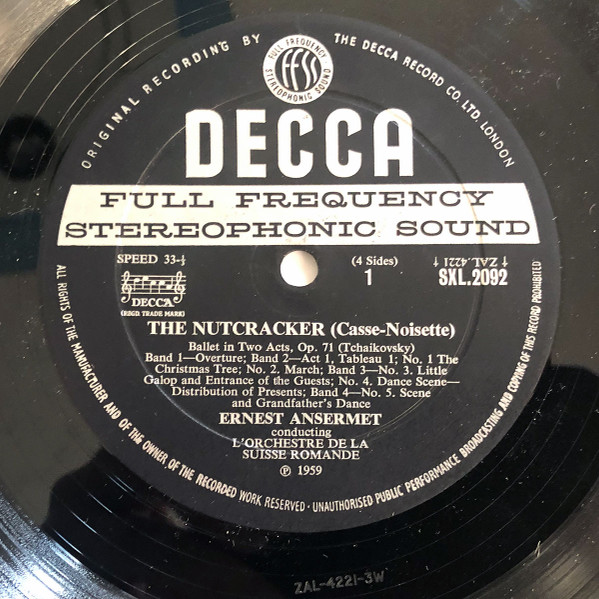 I own both a 1968 wide band, grooved repressing and the excellent Speaker’s Corner reissue, where you gain quieter surfaces but lose some of that ineffable tube-mastered OG-adjacent magic.
Either way, this is a version which should be in every Nutcracker lover’s collection.
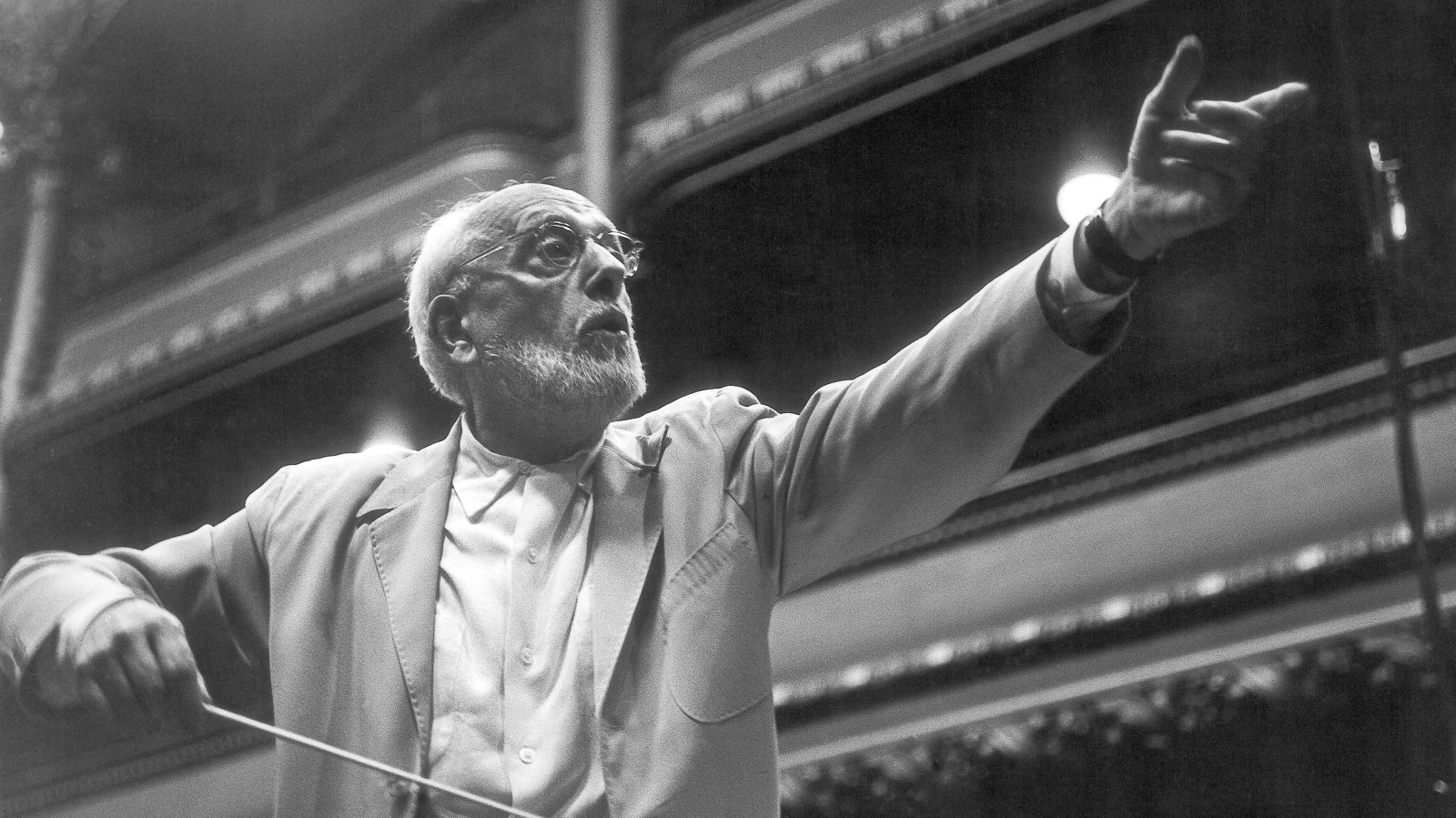 Ernest Ansermet (Photo: Decca)
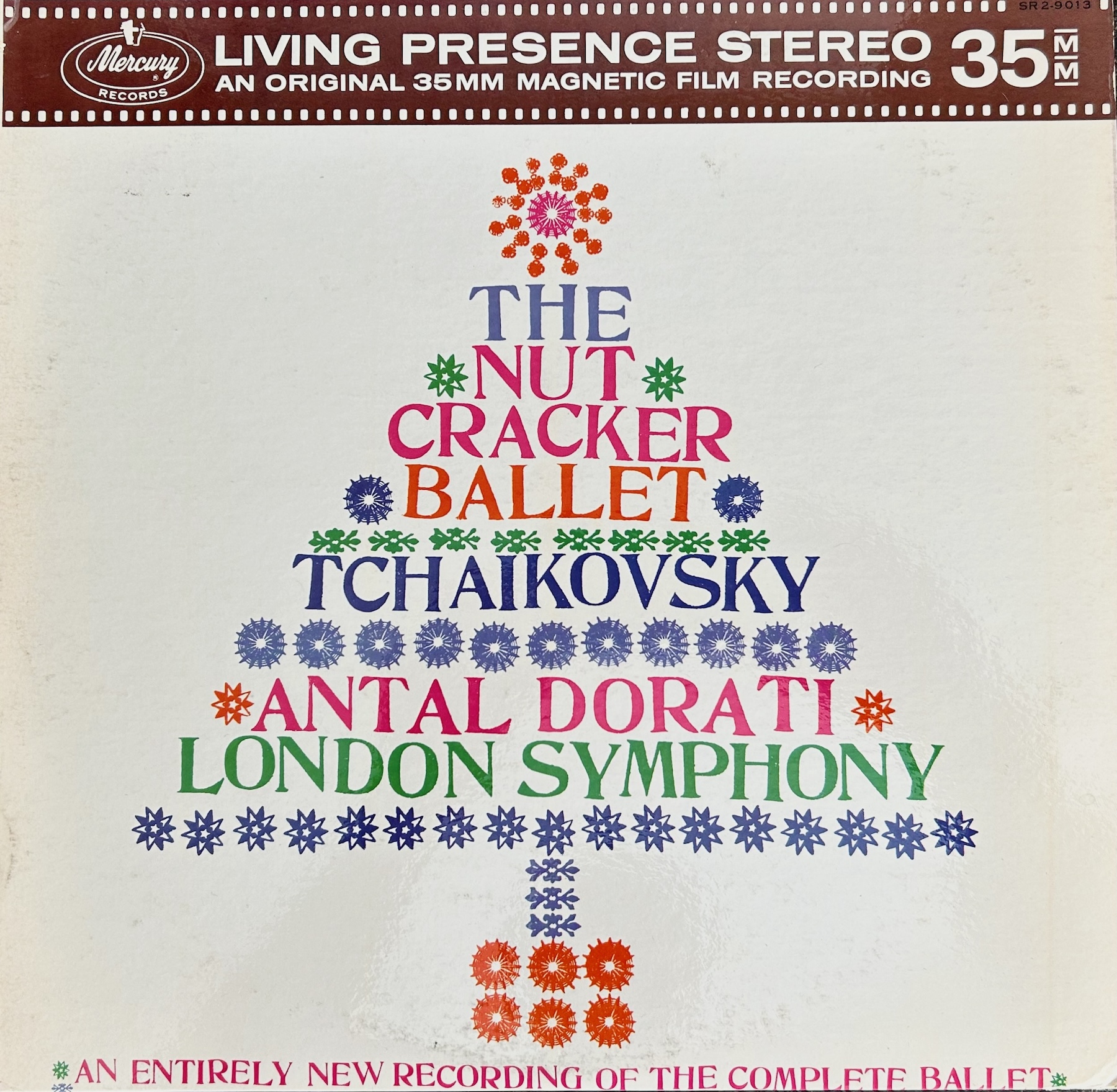 As indeed should be my second choice, which perfectly complements the Ansermet in sound and interpretation. Dorati again knows how to pace this thing to perfection, and the Mercury sound is at its immediate and also translucent best for this set - more direct, more up-front than Decca. For years I had to rely on the excellent CD transfer supervised by Wilma Cozart Fine, until finally I came upon a rather battered copy of an early pressing in Amoeba of all places. Battered jacket, but the LPs themselves were in decent shape. I have found acquiring clean Mercury pressings something of a challenge - even ones that look okay can be noisy. So while listening to the LPs gains in analogue virtues, the CD remains a more than viable alternative.
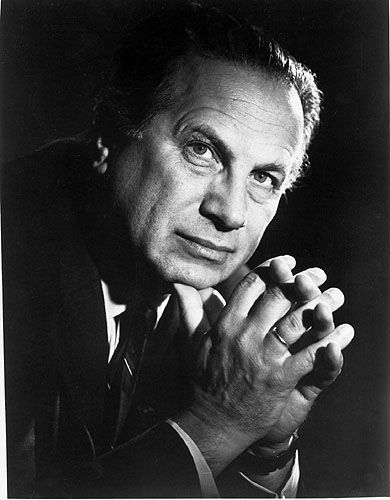 Antal Dorati
Somewhat unbelievably, when Classic Records did their limited run of AAA Mercury reissues in the 1990s (all essential for the serious classical collector), followed by Speaker’s Corner diving into a wider range of Mercury titles some years later, neither chose to tackle Dorati’s Nutcracker. A spectacularly short-sighted decision. Are the master tapes in some way compromised? I truly hope not, because to have this set in a suitably deluxe AAA reissue would be heaven, and a guaranteed perennial bestseller.
Now with Decca set to begin its own Pure Analogue Vinyl Reissue Series, and with the Mercury catalogue available, dare I hope that Dorati’s classic Nutcracker will appear sooner rather than later in a deluxe AAA reissue? Maybe in time for Xmas next year…? (Pretty please…!)
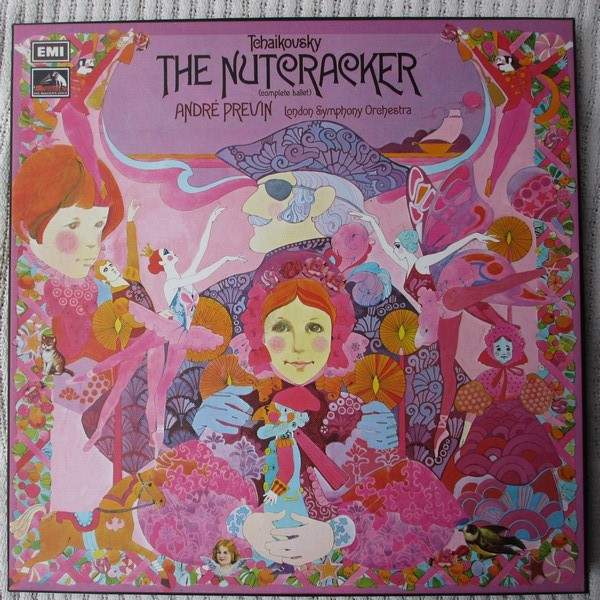
My final choice of benchmark recordings of the full ballet is this classic version from the 1970s. André Previn and the London Symphony Orchestra were on a roll, turning out one superb recording after another of repertoire both mainstream and more off the beaten track. All were captured in quintessential EMI house sound of the period by equally talented producers and engineers like the legendary team of Christopher Bishop and Christopher Parker, responsible for Nutcracker. The recording offers a more mid-hall perspective than Decca and Mercury - set down in the legendary recording venue of Kingsway Hall - but with a glorious bloom and richness to the sound that really comes into its own when you crank the volume.
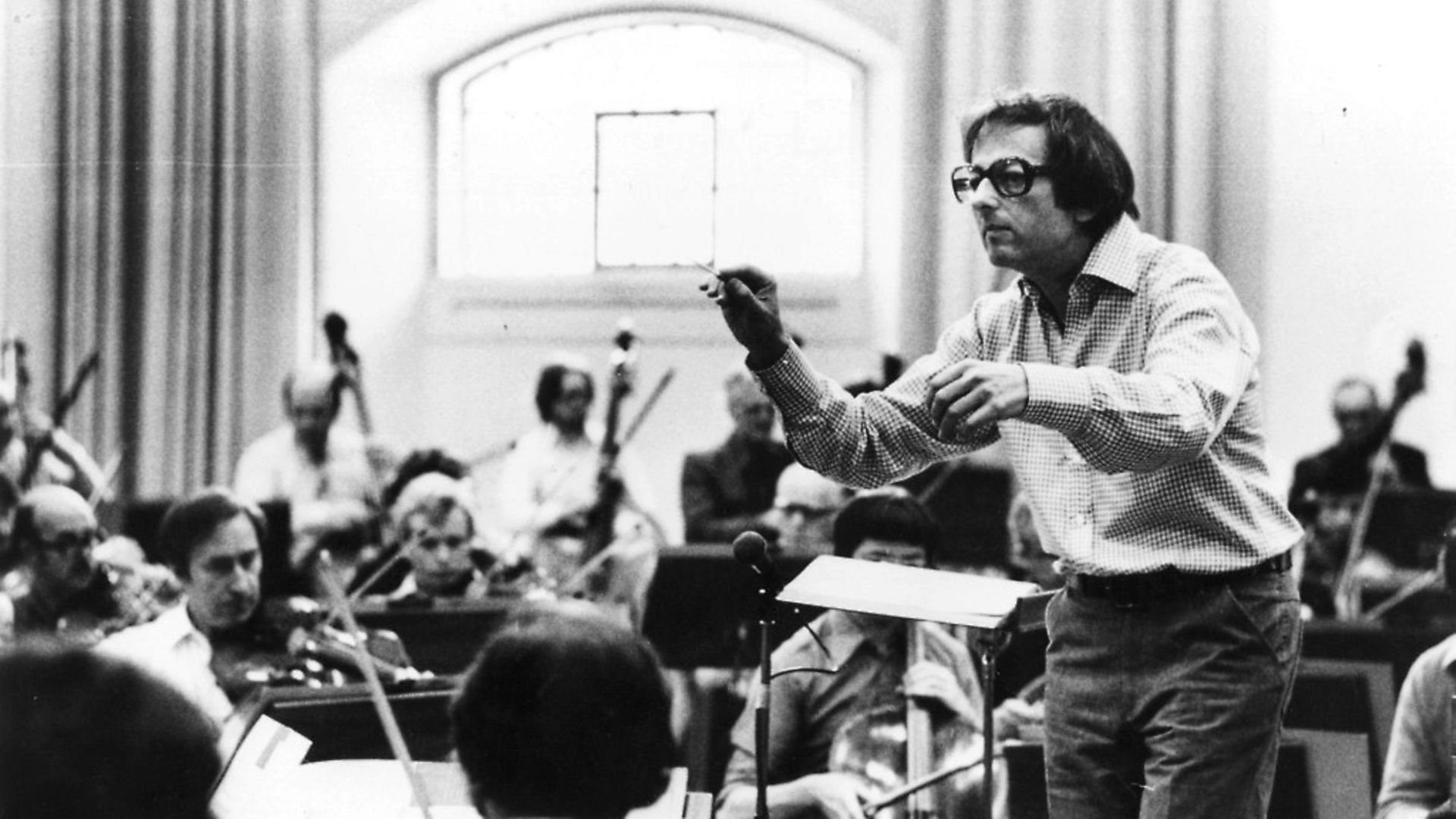 André Previn in rehearsal with the LSO
Previn was always at his very best in ballet music, and his sets of the complete Tchaikovsky and Prokofiev ballets are all benchmarks. Like Ansermet he is excellent at combining the dance elements with the broader symphonic and narrative argument. His tempi for Nutcracker run a little broader perhaps, but everything works in context. Previn’s background in Hollywood film scoring means that he is entirely alert to all the colors of Tchaikovsky’s wonderful orchestration, and throughout you’re simply aware of his unadorned love of the music. You’d be surprised by how many conductors betray a certain sense of “it’s only ballet music” in their performances, and "goose" up the proceedings unnecessarily.
Previn, Ansermet and Dorati will have none of that. Every note of their recordings is a love letter to this enchanting score, which they allow to speak for itself.
Along with these three top recommendations there are several extremely fine also-rans, which Nutcracker die-hards will be more than happy to acquire and listen to regularly.
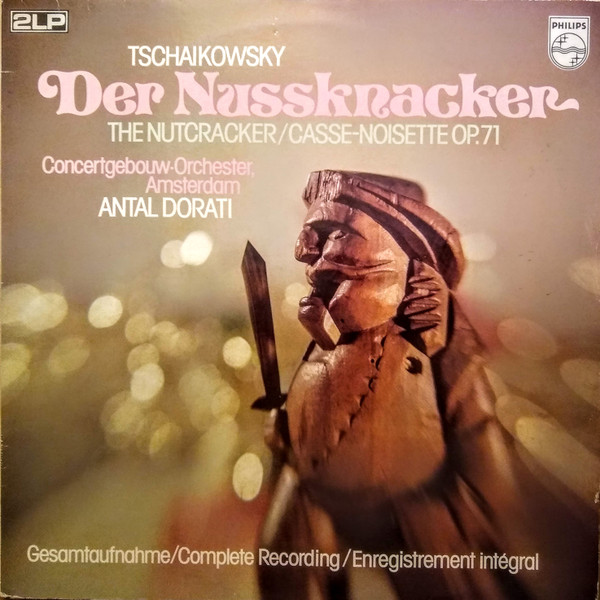
At the top of this list I will put Dorati’s 1976 remake for Philips. The biggest difference lies in the sound, which is more mid-hall and benefits from the bloom of the Concertgebouw acoustic. It’s a more refined, smoother sound, with maybe a dash more poise in the overall tempi. I would still favour Dorati’s Mercury account for its immediacy in both sound and performance, but many prefer this later Philips account.
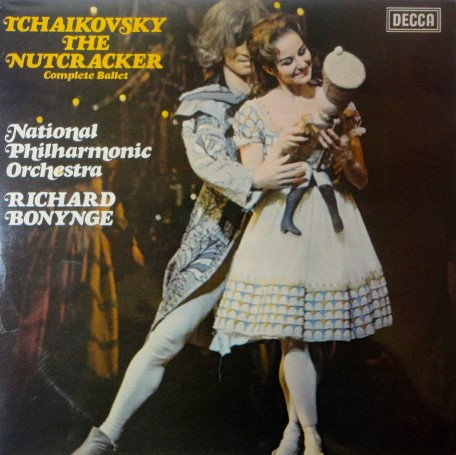
A real dark horse I recently discovered is the 1975 account by Richard Bonynge. Bonynge came into the stable of Decca regulars riding somewhat on the coat-tails of his wife, soprano Joan Sutherland, many of whose opera recordings he conducted for the label. However, he rapidly proved himself an excellent conductor in other music, particularly from the ballet repertoire - much of which is unknown beyond the famous staples.
He embarked on a series of superb albums covering a vast swathe of this tuneful music, much of it unknown except to the seasoned ballet lover. I was alerted to the charms of a particular box set when it featured in the background of one of Michael Fremer’s early YouTube videos some years ago, long before Tracking Angle re-emerged in its current form.
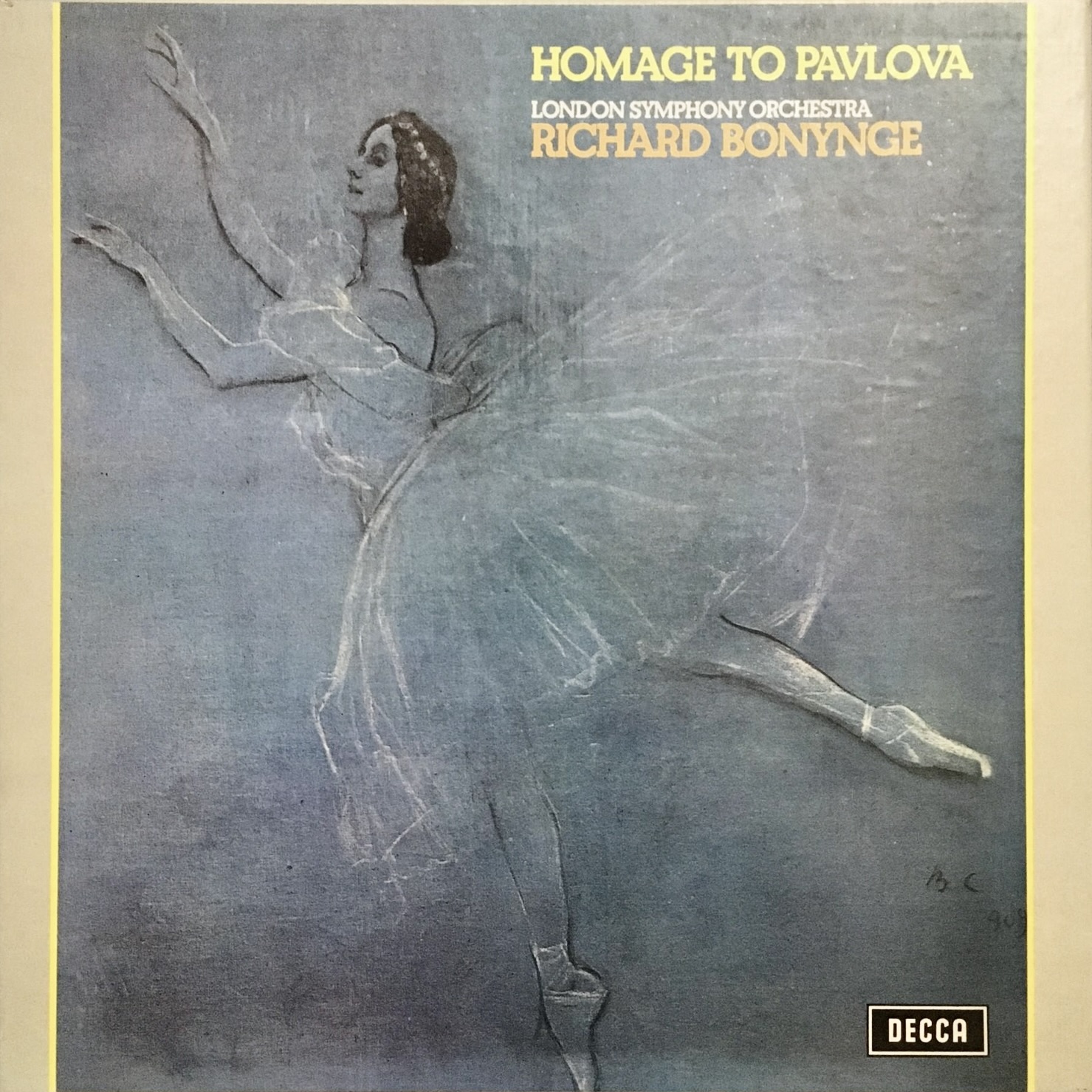
For me this is a set to sonically rival the famous RCA Living Stereo (but Decca recorded) Royal Ballet Gala Performances. The music contained within largely eschews the popular classics in that set, but it is all equally attractive. Thereafter I began picking up more of Bonynge’s ballet records, which have a habit of turning up for almost nothing in the used bins in perfect condition.
One of these was The Nutcracker, and as I took it for a spin I was completely captivated by his alert account of the score, made with London’s crack pick-up orchestra the National Philharmonic, consisting of many of the top players in the UK. Recorded in Kingsway Hall by the great James Lock, this is an incredibly dramatic but also balletic account. I was on the point of awarding a new Palm when, lo and behold, in the Arab “Coffee” Dance the crucial tambourine part, which gives the piece much of its distinct flavour, so to speak, was missing in action. Extraordinary. Maybe it was there but the recording didn’t pick it up. Anyway, you can’t hear it, which is all that matters, and alas that immediately disqualifies the set from a benchmark position, but otherwise it remains a superb alternative, again in first class Decca sound.
A few years ago all of Bonynge’s ballet recordings were gathered together in what has become one of my favorite Decca CD boxes. Beautifully remastered, if you can find it, grab it. It has given me hours of listening pleasure.
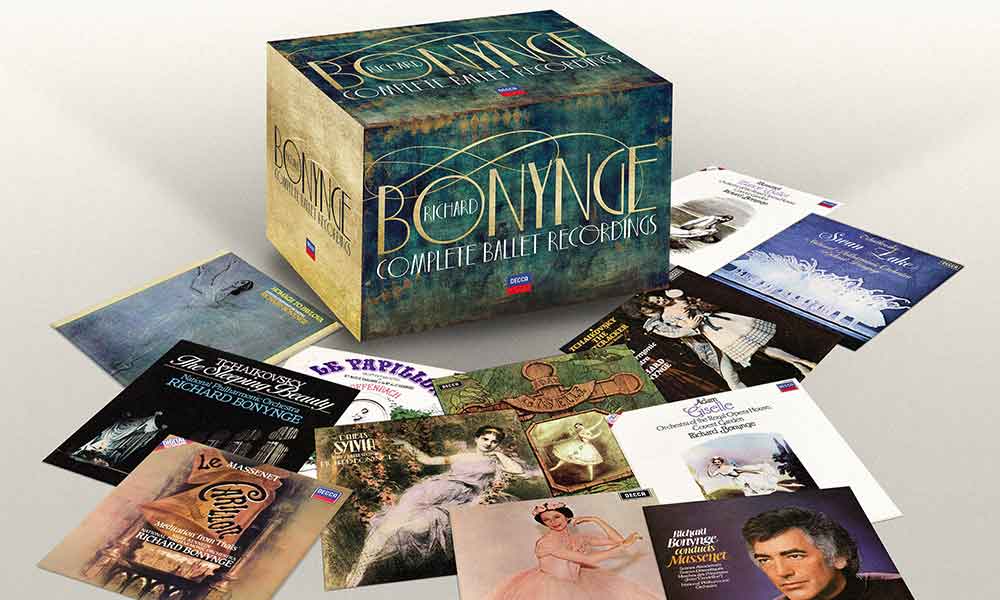 Meanwhile I continue to hunt down any of the original LPs of these delightful recordings.
You will notice that not included in this list are any Melodiya, Russian vinyl versions from the Soviet era. I find the sonics of these sufficiently lacking to withhold a recommendation, even though I am normally a big fan of the Melodiya catalogue. The performances I have heard are not to my taste either. If someone can persuade me otherwise, please do so in the Comments section.
I’ve also never heard the Charles Mackerras version on Telarc Digital vinyl, which gets a lot of love. It was recently reissued but I’ve heard these recent reissues are no match for the originals. I can’t verify that - it’s simply what I’ve heard. When I find an original I will be grabbing it to hear what I’m missing.
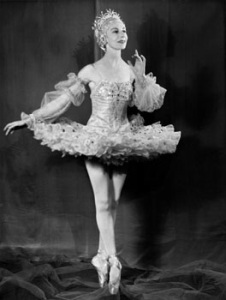 The great Alicia Markova as the Sugar Plum Fairy
Continued in Part 2…