
"The Nutcracker" on Record - Part 2
A Seasonal Tour through Tchaikovsky’s Magical Score - on vinyl and CD/SACD/streaming
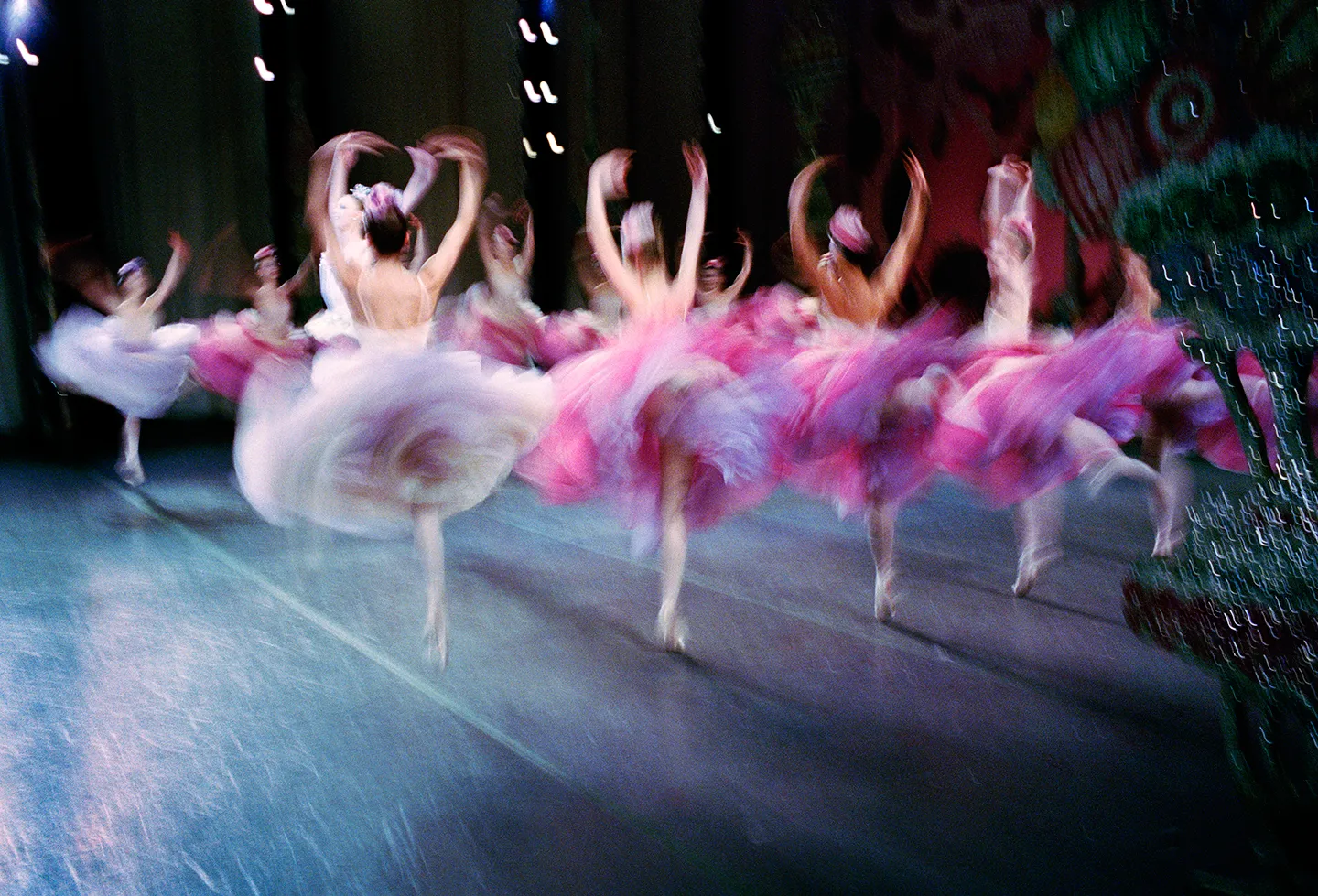 Waltz of the Flowers from NYC Ballet Production, choreographed by George Balanchine
THE FULL BALLET - ON CD/SACD and STREAMING
There are some exceptionally fine recordings of the complete ballet on CD and SACD, any one of which I could live with in perpetuity if I had no record player. A couple of these are, however, hard to find as physical copies - you may have more luck with streaming and YouTube.
For many years my CD choice alternated between these first two Decca entries, both recorded in typically lustrous sound, amongst the best you would find on CD during the 90s.
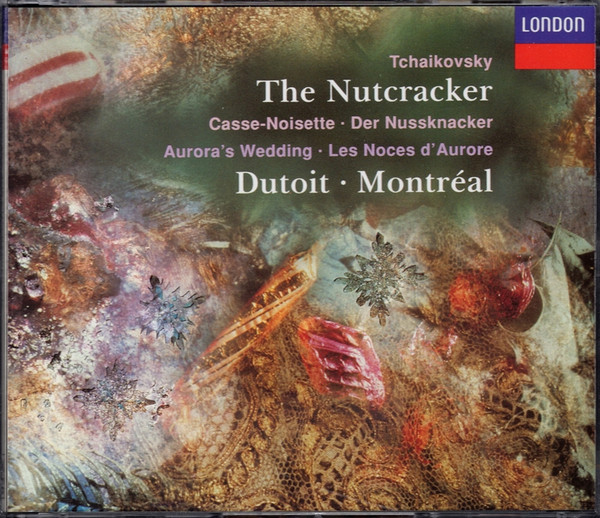
First up, Charles Dutoit in 1993, part of his ongoing series of recordings made for Decca with the Orchestre Symphonique de Montréal (to give it its full French name). This conductor-orchestra collaboration was hugely successful for Decca, starting in 1981 with their instant hit rendering of Ravel’s complete ballet, Daphnis et Chloé - still a benchmark and hopefully a candidate for reissue in the label’s new Pure Analogue campaign. For Decca, this partnership became the modern day equivalent of the Ernest Ansermet/L’Orchestre de la Suisse Romande recordings from the 1950s through to 1970, marked by luminous, vivid sonics, and concentrating on 19th and 20th century repertoire that landed on the spectrum of colorful orchestral spectaculars. While there remain many devotees of the Ansermet/OSR catalogue (myself included), there is no doubting the more polished orchestral chops of their modern Canadian counterparts, while they also retained some distinct Gallic flavour.
In 1992 the team had released a fine version of the complete Swan Lake, and The Nutcracker which followed is no less distinguished, partnered with Aurora’s Wedding, which is essentially Act 3 of The Sleeping Beauty (Dutoit never recorded the complete ballet, alas).
Dutoit is alert to the many levels of the ballet, from its more symphonic sweep in Act 1 to the colorful vignettes in Act 2. Tempi are perfectly judged, orchestral color exploited with taste and impact, aided by the superb engineering. Some may find the resonant acoustic of Montreal’s St. Eustache Church a little antithetical to the theatrical origins of the work, but the ear quickly adapts.
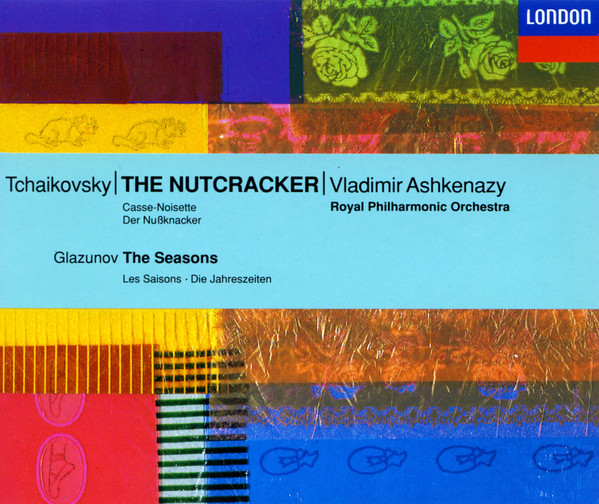
My other CD choice for years was this one, a release that came and went in a heartbeat, with the great Russian pianist-turned-conductor Vladimir Ashkenazy leading the Royal Philharmonic (Thomas Beecham’s old orchestra) in another luminous Decca production. It was probably pulled from the catalogue to make way for Dutoit’s version that came out a year later. (A similarly odd fate befell Ashkenazy’s very fine 1992 recording of Prokofiev’s complete Romeo and Juliet ballet, also with the RPO and likewise recorded in Decca’s new main recording venue in London, Walthamstow Assembly Hall; this didn’t even get released at all until 2002!).
Ashkenazy, always good in this kind of Romantic Russian repertoire (as witness his excellent Rachmaninov and Scriabin outings), is completely idiomatic and persuasive. His tempi can be a little slower than we are used to in modern versions, but they are dead right for dancing to. This is actually a late 1980s recording, and there is a little more digital brightness on the violins than is ideal, but the ear does adapt. His adventurous coupling is the marvelous Glazunov The Seasons. Curiously you will not find this on streaming services; hard-to-find physical copies are your only option.
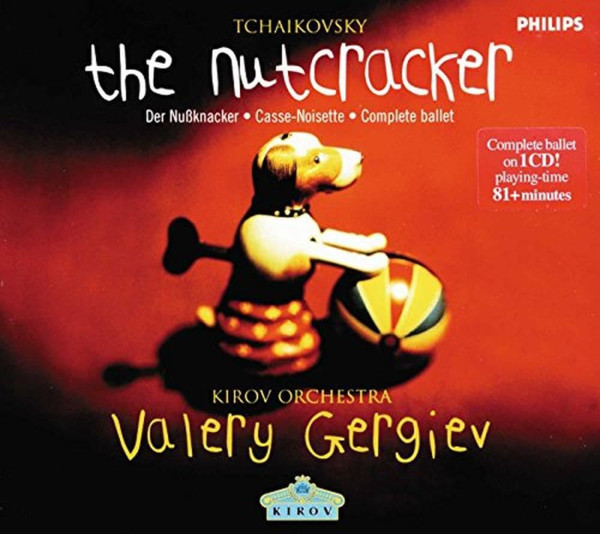
Those looking eastward for a new Russian recording to supplant the somewhat tangy-sounding Melodiya versions of the Soviet era (which were the ones used by my daughter’s ballet school, since they were the most regrettably “authentic” Russian versions), finally got their wish granted when Valery Gergiev - at that time the Hot Thing in New Conductors - debuted his single disc version with his Kirov (now Maryinsky) Orchestra in 1998 on Philips. Yes, it’s a little rushed in places in order to be contained on one disc, but it is nevertheless a fine version, and the sound by engineer Thiis Hoekstra, a regular collaborator with Gergiev, is warm and detailed. I mention it here because for years it would have been a prime recommendation, but given Gergiev’s unfortunate and somewhat radical slide into murky political waters (which has resulted in Western arts organizations justifiably blacklisting him), I find it hard to support his music-making in any way - and I was once a big fan, despite growing reservations as his recorded output became more and more glib. If such considerations do not trouble you, by all means invest in this recommendable account.
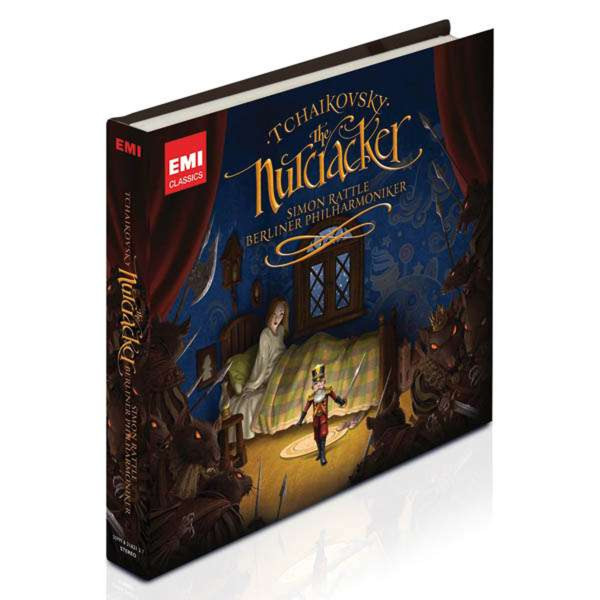
Now, you wouldn’t think of Simon Rattle as a Nutcracker man. Indeed, he is on record as having stated the music of Tchaikovsky somewhat eludes him. He had not recorded any Tchaikovsky before this, nor performed much - if any - live. But in 2010 the conductor broke his own rules and produced an exceptionally fine version with his then orchestra, the Berlin Philharmonic, for EMI. This was a deluxe release in every way, coming out in various versions, one being accompanied by a lavish book. The sound is some of the best to be heard from the Philharmonie, recorded by their regular in-house team led by Christoph Franke - warm, detailed, incredibly dynamic, a vivid showcase for the Berliners’ typically well-upholstered but also alert playing. You get the feeling they’re really enjoying themselves - let off the leash from all that “serious” Beethoven, Brahms and Bruckner. It may be the best sounding version on digits.
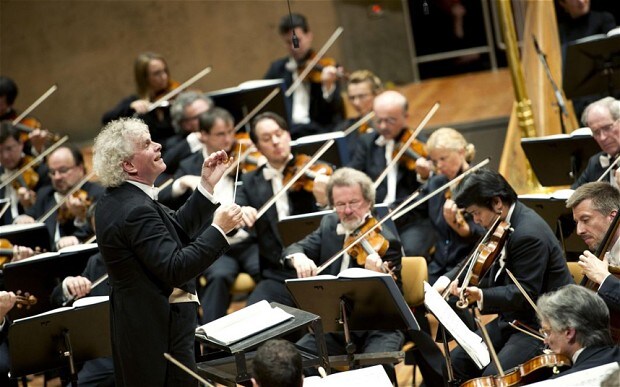 Sir Simon Rattle conducting the Berlin Philharmonic Orchestra
The more symphonic and dramatic Act 1 plays to Rattle’s strong points and innate instincts, and the sequence that begins with the burgeoning Xmas tree leading into the battle with the mice is perhaps the most thrilling account there is. However, Part 2’s more dancerly, episodic tilt finds a slight slackening in the conductor’s focus: it can occasionally feel like he and the orchestra are just going through the motions. But remember this is the Berlin Phil, and going through the motions for them is most other orchestras’ championship game.
I am not always (or even often) a fan of Rattle on record, but he can surprise you in the most unexpected repertoire, and his Nutcracker is a real dark horse, and a recording that Nutcracker obsessives should definitely investigate. It also exists in a vinyl version, though who knows what the quality of that is like.
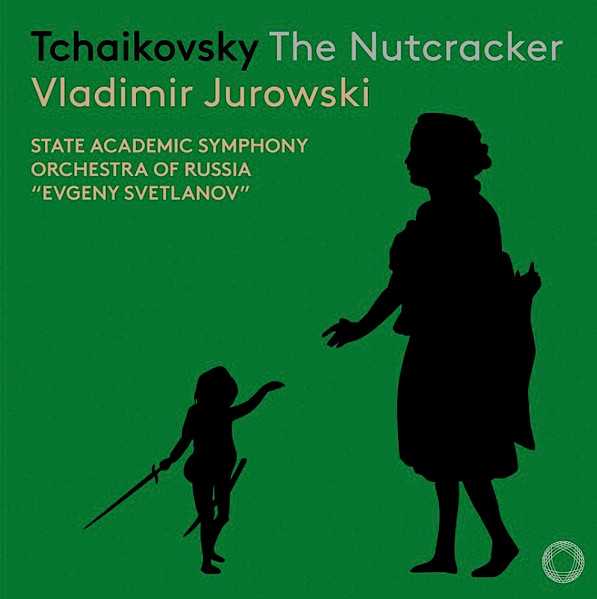
A strong new contender appeared in 2019, with the excellent Vladimir Jurowski (Music Director of the London Philharmonic from 2006-2021) conducting what used to be the great Soviet conductor Evgeny Svetlanov’s orchestra, the USSR State Symphony Orchestra, now known as the State Academic Symphony Orchestra of Russia “Evgeny Svetlanov”. This was released as a hybrid CD/SACD by Pentatone, and the sound is all you would expect from a modern, state-of-the-art Hi-Res piece of engineering captured live. Soundstaging is excellent, and there is an openness and lack of congestion in the climaxes that are two of the benefits of the SACD/Hi-Res format. It is a thoroughly idiomatic account, though lacking some of the “character” you would expect from Russian orchestras of an earlier Soviet vintage. However the winds in particular retain quite a bit of that quintessential Russian piquancy - you’ll hear it immediately in the Overture. Maybe the violins have a little more edge than some may like - but again that is a leftover from the Soviet sound. Like many recent recordings I would say there is a tendency to treat the work more as a symphonic piece than as a ballet, and that brings its pluses and minuses, but it remains a strong recommendation - if you can find it. Otherwise it is available on streaming services.
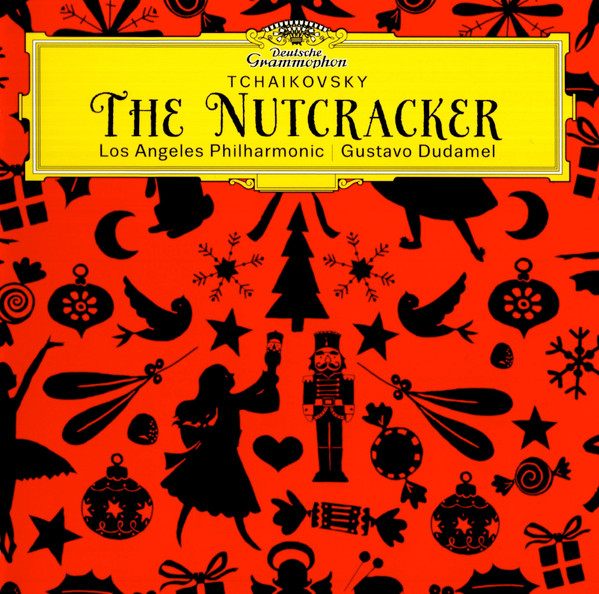
The Dudamel/LA Phil account on DG also has excellent sound, recorded in Disney Hall. This is one I really wanted to love when it came out, it being my local band, but while it is immaculately played and paced, it lacks the “character” of the best versions. But again, these are hair-splitting differences - fans of the conductor and orchestra will be very happy.
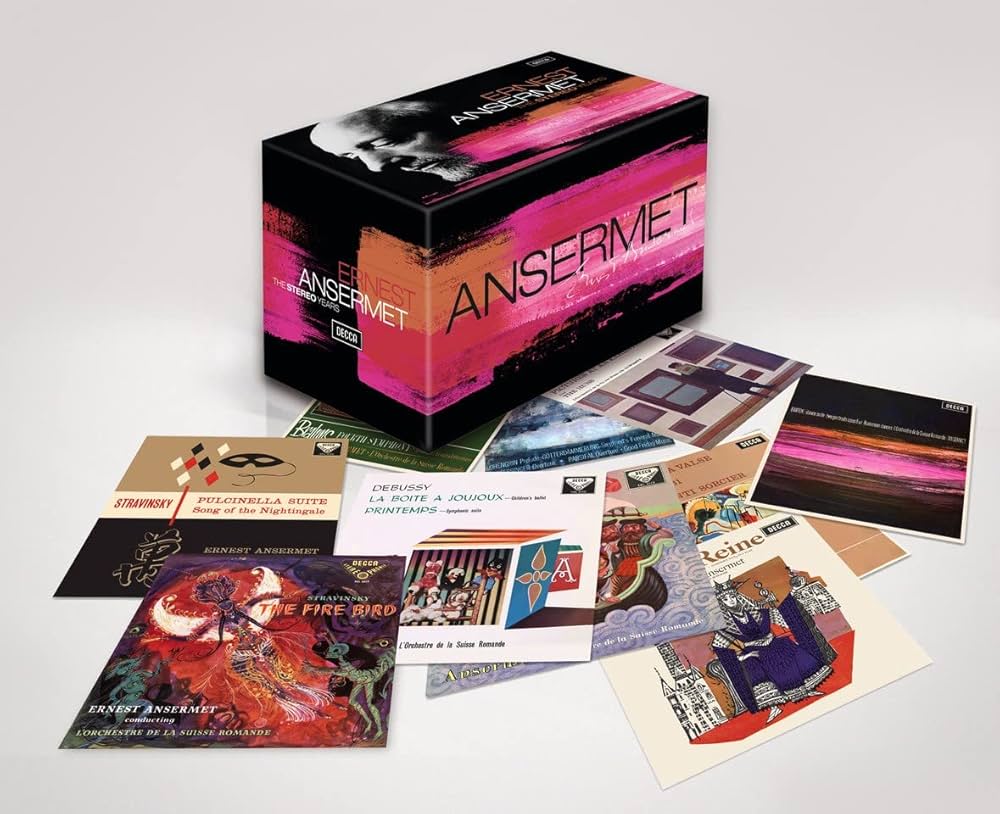
However, I will say that my allegiance to those three top recommended vintage vinyl accounts remains firm, even in their CD incarnations (the remastering of the Ansermet in the giant Ansermet Stereo box is superb).
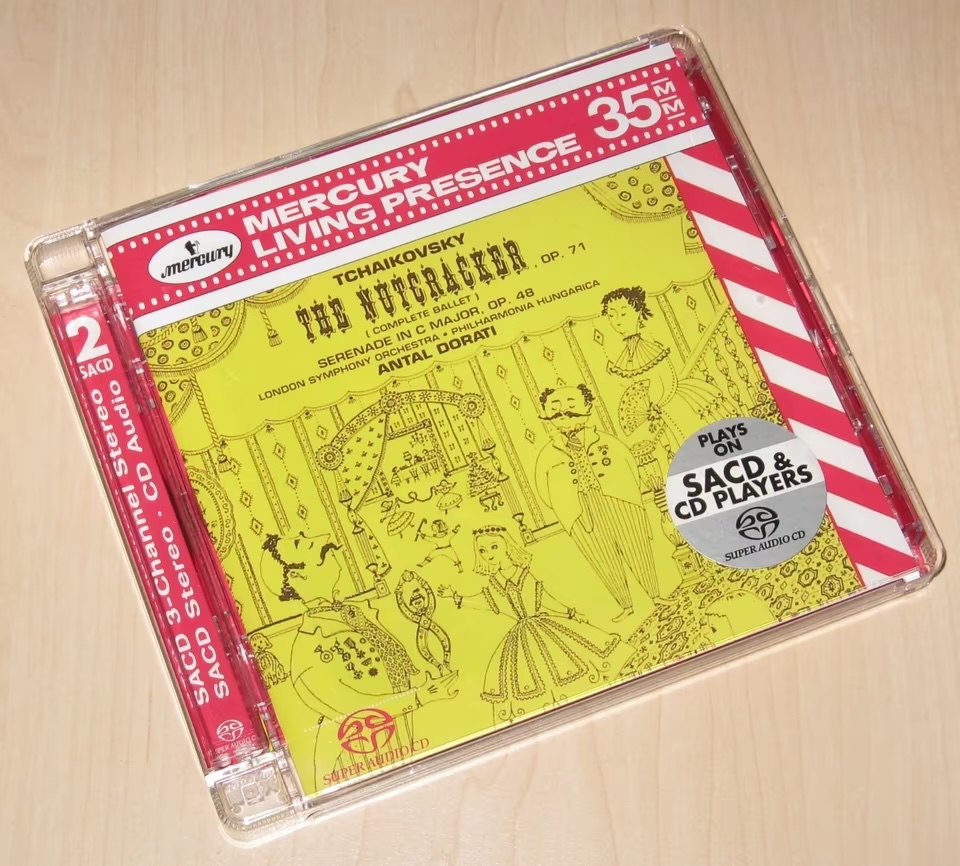
The Dorati LSO Mercury is also to be found in an SACD version I’ve not heard - but even the regular CD sounds excellent, if maybe a little bright. But isn’t that the Mercury sound?
The Previn recently got a remastering from Warner (which I have not heard), but which anecdotally I hear is a substantial improvement.
THE FINAL VERDICT for the Complete Ballet
So where does this all leave us in terms of a final recommendation for the complete ballet?
When I came to the end of this survey I popped on the Decca Ansermet set (actually in its CD version from the Stereo Years box) just for fun. I was immediately transported in a manner that is quite unique. Ansermet was a man of the theater indeed. It remains a recording that captures the indelible magic of this score like no other, in a performance that is both aware of the work’s balletic function but is also symphonic when need be. The sound is organic, warm and sparkly: in other words, quintessential Decca engineering of the period that defies later efforts. Really, did the technology ever get any better? This is undeniably a true classic of the catalogue, and forced to choose just one version on LP, this is it.
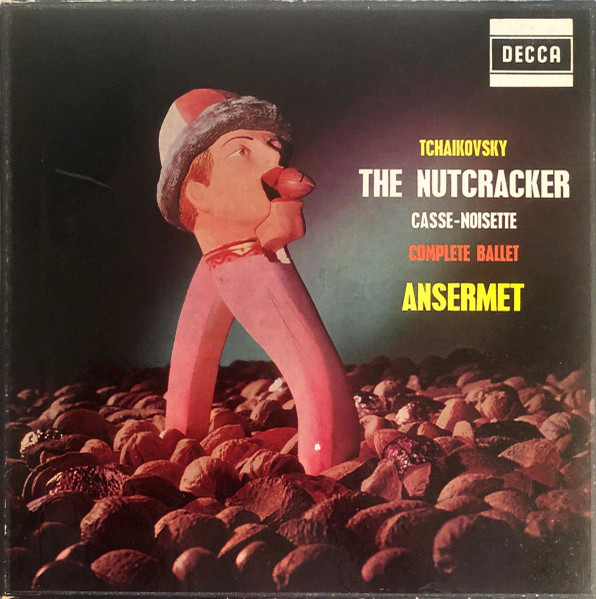
I treasure my 1968 Grooved Wide Band repress of the OG vinyl box, and the Speaker’s Corner gets 95% there too, with quieter surfaces. The CD version in the Ansermet Stereo box is so good you may not miss the vinyl.
But I also would not want to be without Dorati on Mercury, in either vinyl or CD/SACD versions. This really needs to get a proper AAA audiophile reissue - paging Decca Pure Analogue, please…
And Previn remains very special too. As does the Bonynge dark horse on Decca (apart from that missing tambourine).
OK - I'll stop now...
As for CD?
Well, any of the versions I have mentioned will more than satisfy. Each of these has, in their own time, occupied a preferred position in my listening room. This is a score that brings out the best in its interpreters. A few versions I am less familiar with, like Seiji Ozawa in Boston, Leonard Slatkin with his St. Louis band, Mikhail Pletnev with his Russian National Orchestra, all have their supporters.
But as I wrapped up my final listening session I returned to Rattle’s Act 2 and I began to think I may have underestimated its charms. As I tap these words I am listening to the various divertissement dances and every one grabs my attention. On comes the Waltz of the Flowers, and the way Rattle injects a lovely sighing lilt to the main melody is irresistible - and the rubato is immaculately executed.
Taken together with a superb Act 1, all presented in warm, evocative sound that fully captures the Berliners reveling in Tchaikovsky’s gorgeous orchestral writing, means this is my current preferred CD version.
The Nutcracker Suite
Why settle for the Suite when you can have the complete thing?
Well, the Suite contains all the hits, and it’s a great way to get a quick Nutcracker fix without having to commit to the long haul.
BUT -
And it’s an important “but”…
Before you discount acquiring a recording of the Suite when you have the complete ballet, you need to know two of the finest recordings of anything Nutcracker are to be found in accounts of the Suite (or version thereof). So that’s why lovers of this music also have to get at least these two recordings.
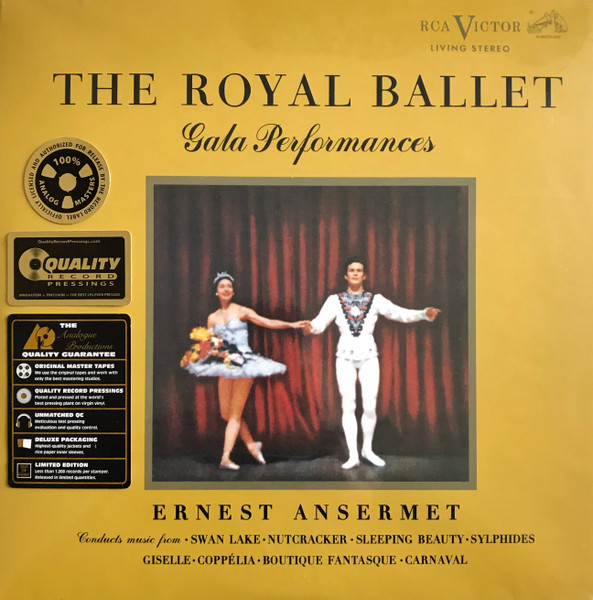
That “version thereof” is to be found within the audiophile classical essential, the 2LP set The Royal Ballet Gala Performances, first released in 1959 on RCA Living Stereo. I say “version thereof” because it lacks the delectable Miniature Overture and the Russian Dance. But what remains is superlative, with the Covent Garden Royal Opera Orchestra (which also plays for the Royal Ballet) playing their hearts out for Ernest Ansermet in Kingsway Hall, recorded for RCA by Decca’s crack team of engineers headed by the legendary Kenneth Wilkinson. What the London musicians lack in the indelible French character of Ansermet’s regular band, L’Orchestre de la Suisse Romande, with whom he recorded the complete ballet in the same year (1959), they make up for with precision ensemble and maybe even a touch more balletic “feel”. After all the band plays this music every Christmas season.
Everything about this account is brilliant, with the recording giving you a wonderful sense of not just all the orchestral detail, but the theatricality of it all. I defy you not to dance along.
Every time I put on this set I marvel at the sound: the depth and width of the soundstage, the capturing of every facet of the instruments' sound and how they resonate in the space of Kingsway Hall. Add to that playing and conducting which make the music dance into life like you are there in the room, and you've got something very special indeed.
There are irrefutable reasons why The Royal Ballet Gala Performance is considered one of the greatest classical recordings ever made, and the Nutcracker excerpts are a big part of that.
Finding a clean original pressing will be challenging - and expensive.
The Classic Records 33rpm reissue from 1994 recreated the label’s original "Soria" box packaging it reserved for its most prestigious releases, with a dowel-edged sliding “drawer” that came within the clothbound exterior.
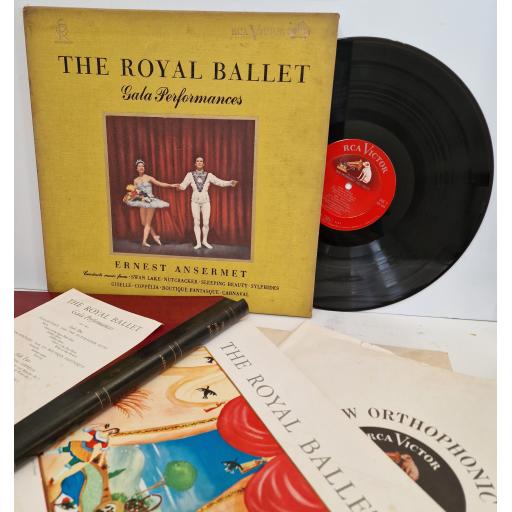 The Original "Soria" version of The Royal Ballet Gala Performances
Within this were the two records and also a reproduction of the original accompanying book. Classic also released a 45rpm cut of the set. Both were mastered by Bernie Grundman. I have both, the 45rpm adding an even more tangible sense of presence and maybe a degree of refinement owing to an upgrade that happened within BG’s mastering chain between cutting the 33s and 45s. I happen to be a big fan of the Classic Records versions of the RCA Living Stereo catalogue, apart from a few titles: they have an energy that I sometimes find lacking in the more refined AP versions. (My system is all-tube, so it irons out the rougher edges and more upfront detail of the Classic versions that those with solid state might find too in-your-face).
The Royal Ballet Gala Performances is one of the best of the Classic remasterings, and if you see a copy at a reasonable price by all means grab it - as much for the box presentation as anything else.
In the meantime, Bernie Grundman’s remasterings were reused by Analogue Productions in 2016 for their reissues, and they sound just a trifle more refined - which will suit most listeners. Why is this? I have no real idea, but it must be down to the different pressing plant and other factors. Both the 33 and 45 are still in print, and totally recommendable (I own the 33, but not the 45). The 33 is a double LP gatefold, so no Soria-style box, but the booklet is reproduced even more accurately.
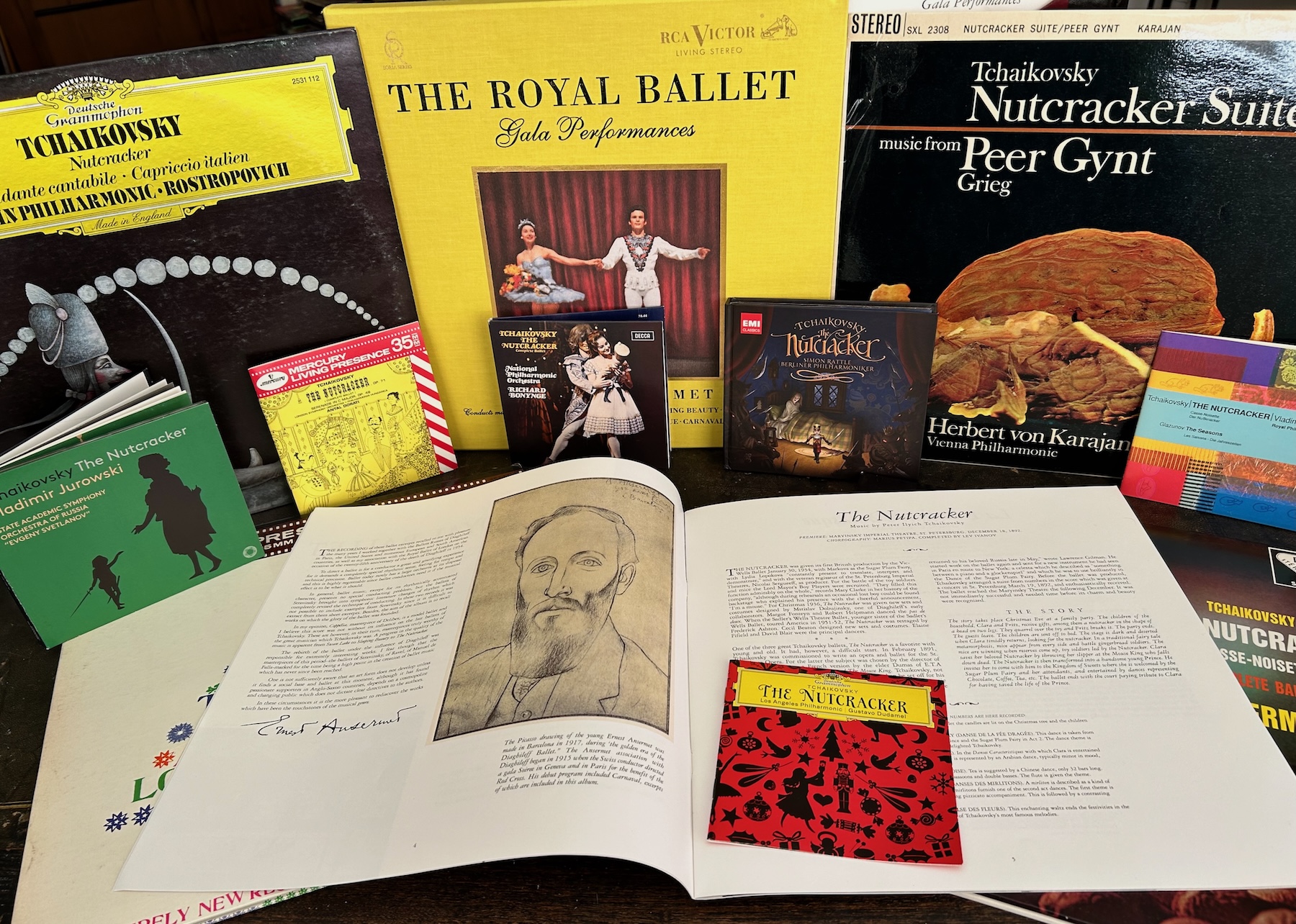
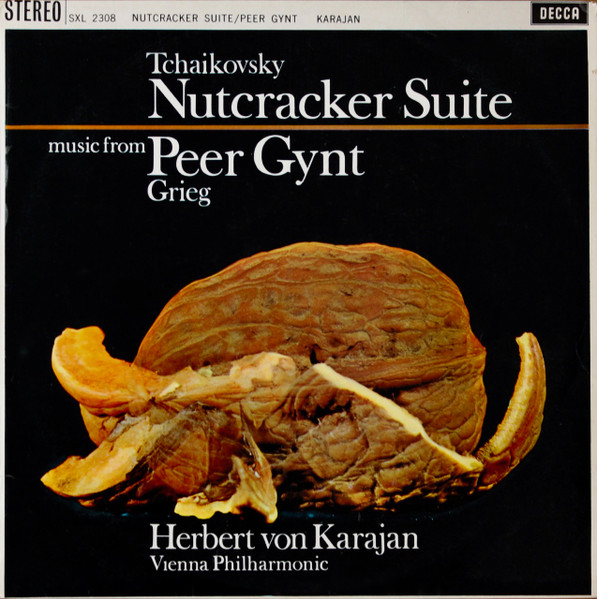
The catalogue is littered with fine recordings of the Suite, and also single record excerpts that add extra material (like the Fritz Reiner version I mentioned earlier, but which I cannot recommend for its lack of charm). A vintage recording that I will often turn to is the Karajan version with the Vienna Philharmonic on Decca/London, coupled originally with Grieg’s Peer Gynt Suite.
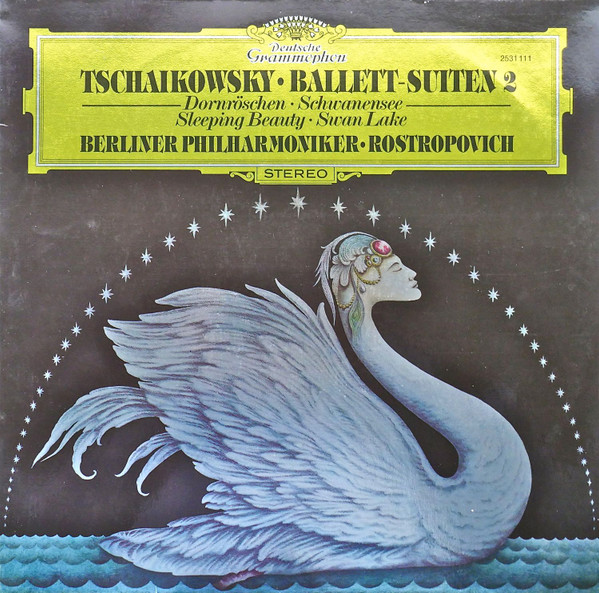
However, there is another version which wipes the floor with the competition. By 1979, the great Russian ‘cellist Mstislav Rostropovich had already embarked on a conducting career, and he went to Berlin to record two records of Tchaikovsky ballet music. The story goes that Karajan drilled the orchestra in advance of his arrival to make sure there would be no embarrassing lapses. Ironically, Rostropovich's versions easily out-performed Karajan's own recordings for the yellow label.
The first record to come out on DG was of the Swan Lake and Sleeping Beauty Suites.
The second record was of The Nutcracker Suite and the Capriccio Italien, plus Rostropovich himself as soloist in the Andante Cantabile.
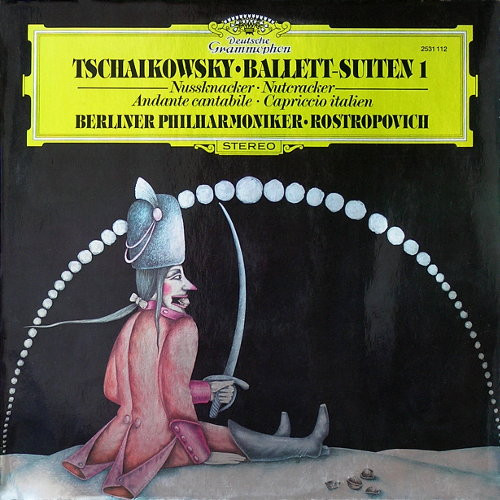
Both records were hailed as immediate classics, and rightly so. They are full to the brim with Slavic energy and the spirit of the dance, with the additional virtue of being presented with that telltale BPO luxury sound.
Sonically the Nutcracker record is excellent, something of a rarity during this period on DG, though it doesn't reach the heights of a typical DECCA or EMI. An OG German pressing will do very nicely; even my OG UK pressing sounds perfectly acceptable in comparison (I own both).
I will go out on a limb here and say that for each piece in the Suite, Rostropovich leads amongst the very finest performances on record. Now imagine this record given the Original Source remastering upgrade… That would be something to hear!
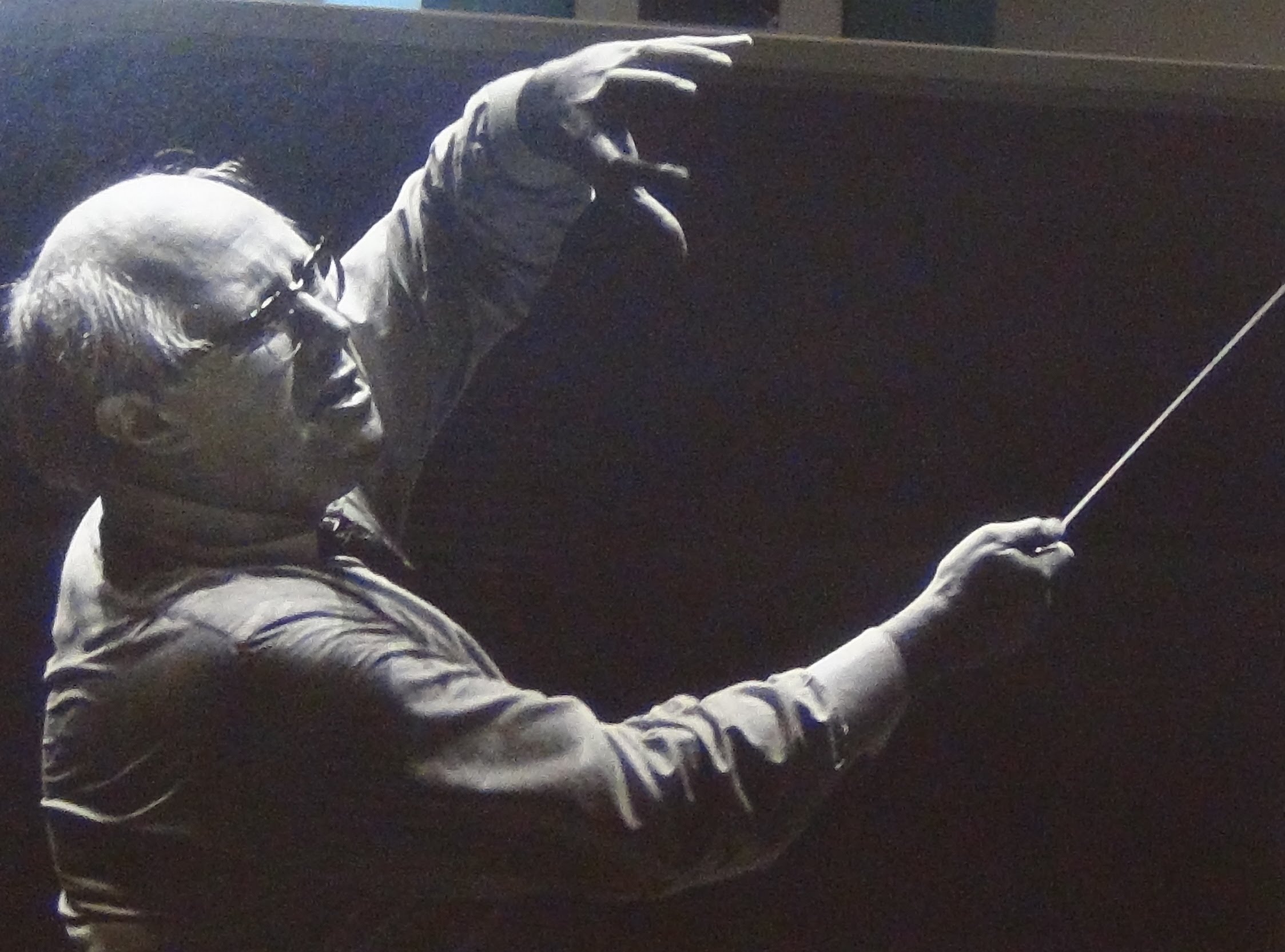 Mstislav Rostropovich
IN CONCLUSION...
So there you have it. Enough Nutcrackers to keep you going through this holiday season and many, many more. It’s a real testament to the evergreen nature of this music that even after spending quite a bit of time reacquainting myself with all these versions I did not become jaded. No begging for extradition from the Kingdom of Sweets in the Ward household!
One thing also became clear. This is music that brings out the best in performers. It’s not easy music to play, which I can attest to when we tackled the Suite in my high school orchestra: it was one of the hardest works we performed. The Overture alone is enormously challenging for string players, yet it sounds so simple. The rhythmical precision, ensemble accuracy and tuning all need to be exact and precise, and everyone is very exposed, as are all those scurrying viola runs which do not lie easily under the fingers. When you go to a live performance you will hear more than a few flubs and lapses of ensemble even from seasoned orchestras.
But the music’s intrinsic nature is so engaging that it seems to win over the most jaded of professional musicians. All of the recordings I have mentioned have something special to offer, and I could happily live with any of them - even if I do have some clear favorites.
So light the lights on your Christmas tree, pull up a hefty glass of eggnog, drop the needle (or start your digits) - and be whisked away to a land of effervescent musical delight that embodies the magic of the Christmas season in a manner that will win over even the scroogiest of Scrooges.
You can read Part 1 of this survey here.