


David Singleton Lifts The Hood of King Crimson’s “Lizard”
The progressive rock pioneers’ jazziest album gets jazzier!
King Crimson formed, played to an estimated crowd of 500,000 at Hyde Park, birthed progressive rock on In The Court of the Crimson King, and disbanded by the end of 1969. Guitarist Robert Fripp took the reins as the group entered an interregnum. For the next two years, Crimson survived on session players and members who left almost as soon as they joined, lacking a definitive lineup to sustain the touring circuit. In The Wake of Poseidon, released in the spring of 1970, more or less sounded like a carbon copy of In The Court of the Crimson King, failing to establish a clear direction. Its follow-up would not only integrate fresh ideas but also become one of King Crimson’s most texturally rich albums.
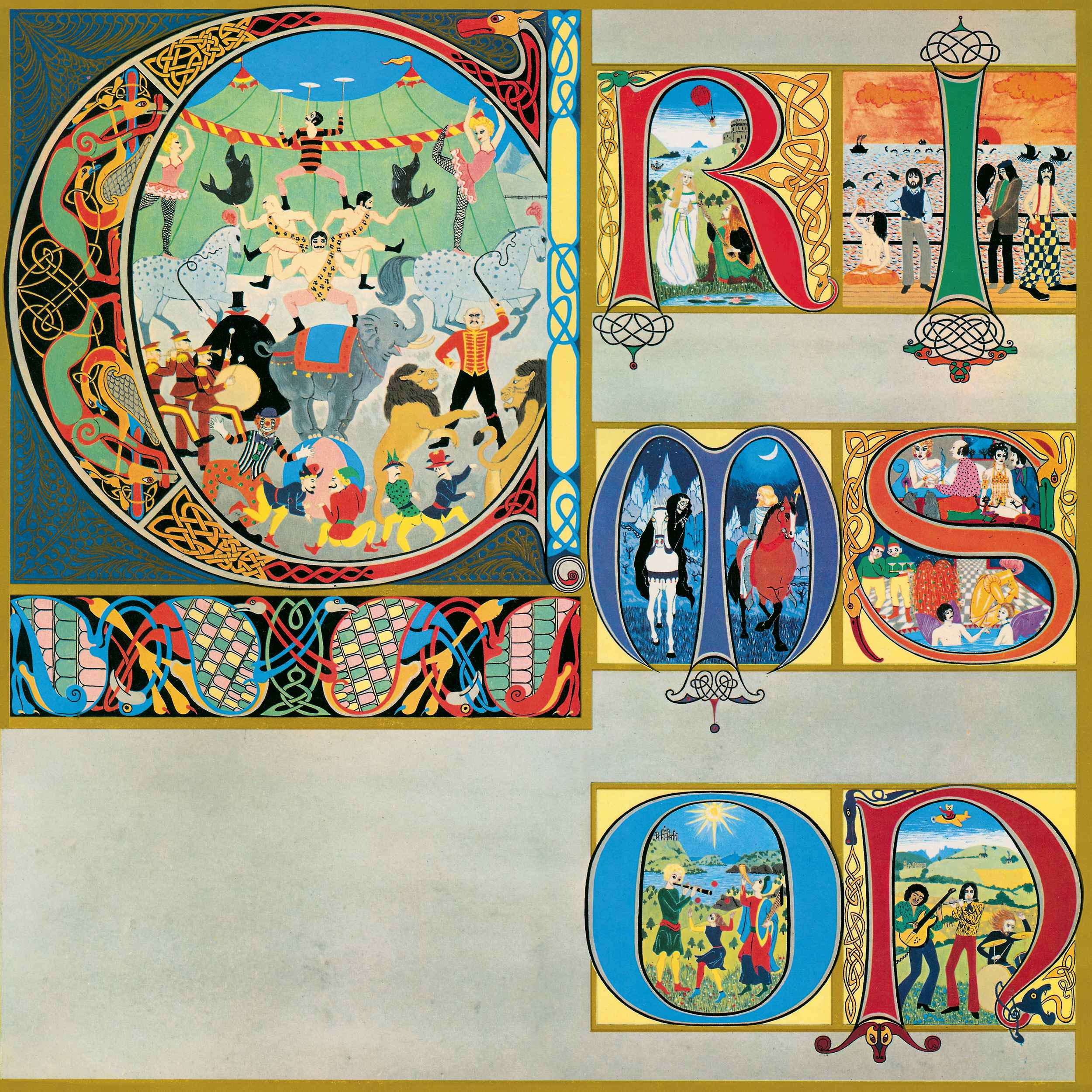
Released in late 1970, Lizard featured the lineup of guitarist Robert Fripp, lyricist Peter Sinfield, bassist/vocalist Gordon Haskell, saxophonist/flautist Mel Collins, and drummer Andy McCulloch. Jazz was a key ingredient of the group’s early sound, although it was marginalized in tamed proportions; primary writers Fripp and Sinfield were keen to explore the genre’s extremities. From the skittering woodwinds of “Indoor Games” to session pianist Keith Tippett’s manic runs on “Happy Family,” there’s an undeniable avant-garde influence throughout the album. Crimson’s music remained quintessentially progressive, relying on the dramatized orchestral overtones from the Mellotron on “Cirkus” and exercising delicate discipline on the whimsical “Lady of the Dancing Water.” Even the side-long title track, comprising multiple contrasting movements, has a consistency that aligns with the flow of most classical suites. All in all, Lizard lived up to becoming the next, if not most explorative, step in King Crimson’s musical evolution.
Though Lizard was musically adventurous, it became a sore spot for some King Crimson members. Gordon Haskell had choice words over the years about his time in the group and how Robert Fripp’s work ethic as band leader was ‘musical fascism.’ His disdain for the musical direction is evident on the outro of “Indoor Games,” where he can be heard laughing because it was, in his words, ‘a lousy song, the lyrics were ludicrous, and my singing was atrocious.’ Both he and Andy McCulloch, more keen on American R&B than European prog, found it difficult to connect with music they had no hand in writing, and left the group during tour rehearsals shortly after Crimson finished the album.
Whether it’s down to negative ties within the timeframe or King Crimson’s lack of direction, Robert Fripp once deemed Lizard ‘unlistenable.’ It wasn’t until Steven Wilson’s initial surround sound mix in 2009 that he ‘heard the music in the music.’ When Fripp reformed Crimson in the mid-2010s, “Cirkus” and excerpts of the title track found their way into the group’s live repertoire, where Lizard finally got its firm appraisal from its creator to the delight of ecstatic fans.
.jpg)
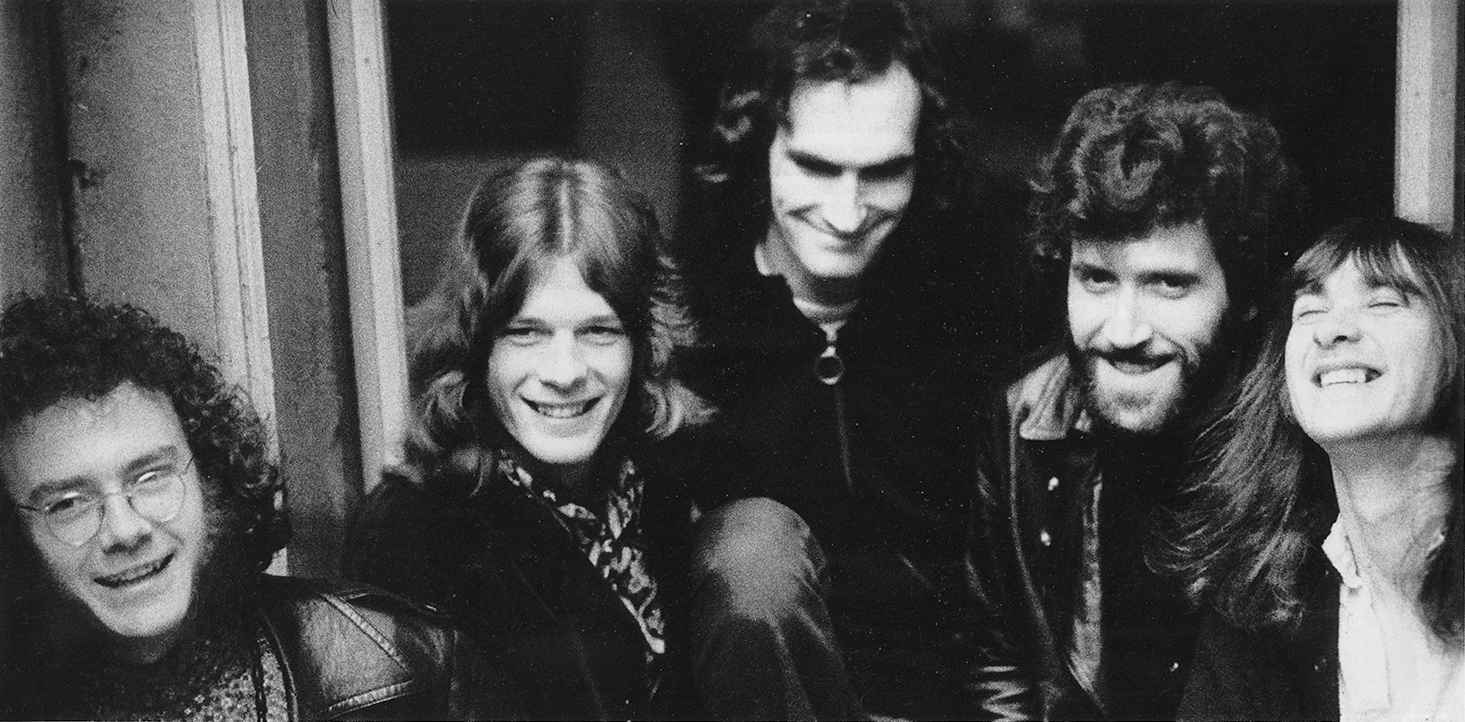
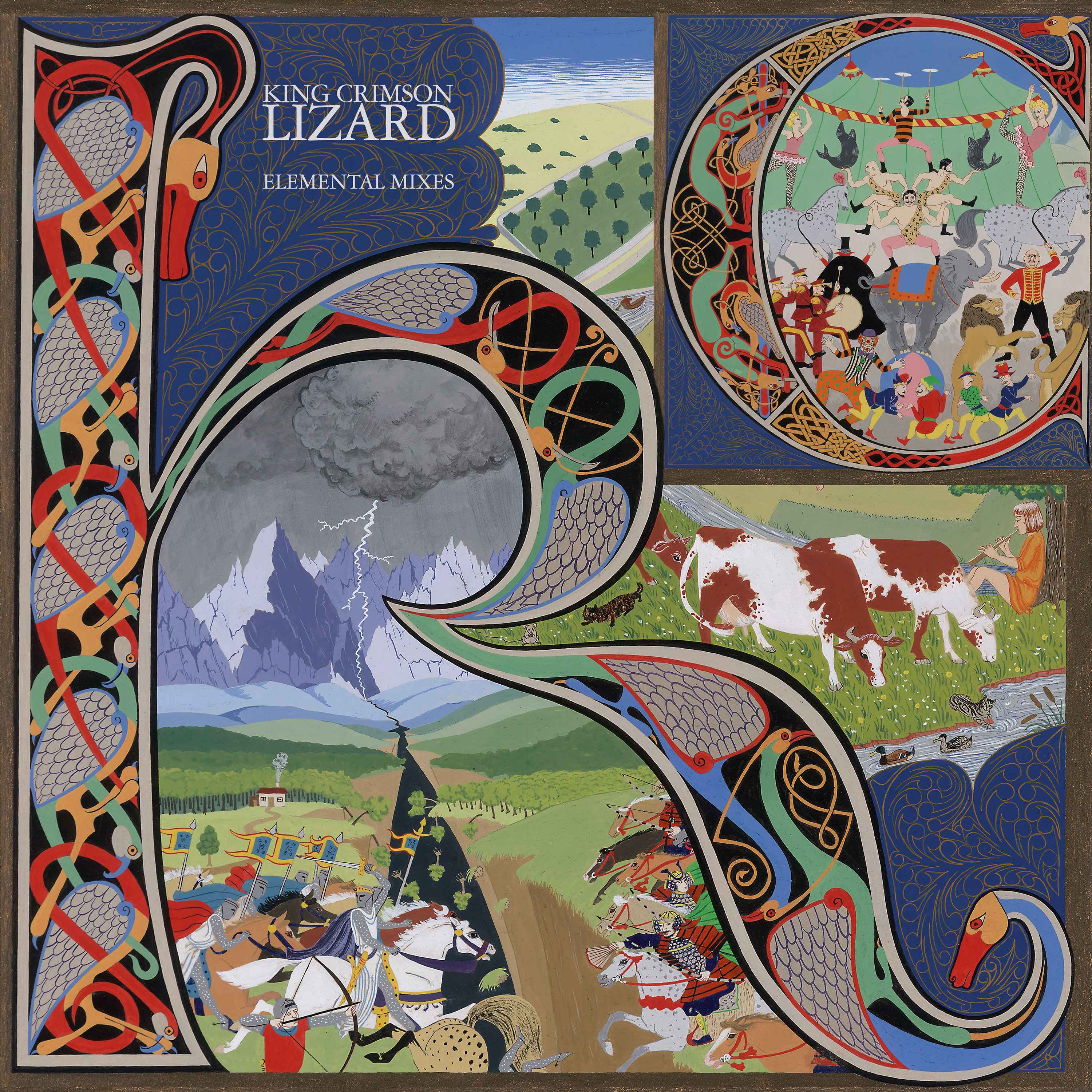
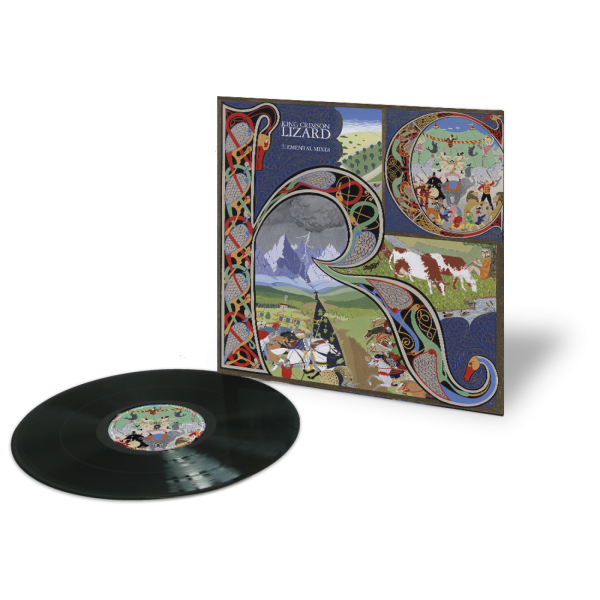
50th anniversary editions of In The Wake of Poseidon and Lizard were released via Fripp’s own label, Discipline Global Mobile. These CD/Blu-ray packages include Steven Wilson’s new stereo and surround mixes, every known recorded take from the respective sessions, and elemental mixes by David Singleton. Lizard’s elemental mix is available as a standalone release on vinyl, not bundled with Wilson’s updated stereo mix like DGM had done with In The Court of the Crimson King, Larks’ Tongues in Aspic, and Red. Elements (get it!) of Gini Barris’ original medieval-themed artwork appear on both the front cover and custom center labels. One of the very few promotional photos of Lizard’s lineup serves as a faint background for the tracklist and credits on the back cover. Like all DGM vinyl pressings, the hefty 200-gram vinyl pressing feels industrious.
David Singleton explains that his elemental mixes are a means of ‘looking under the hood of the album.’ “Happy Family” best exemplifies this intent, where the descending bass and guitars make way for how Keith Tippett’s off-the-wall Hohner Pianet licks and Nick Evans’ radical trombone slides take center stage. Gordon Haskell’s baritone range fills up the soundstage on “Cirkus,” splitting Robert Fripp’s dueling acoustics between both speakers. The song’s wondrous verses get abruptly cut by the grating Mellotron and Mel Collins’s siren-like saxophone. Peter Sinfield’s role within King Crimson went from ‘words and illumination’ to minor instrumental contributions on the VCS3, which are more upfront and unworldly on “Indoor Games.” The multiple movements of Lizard’s title track are presented as standalone pieces instead of the suite’s continuous flow. “Bolero - The Peacocks Tale” loses its consistent rhythmic pattern and classical approach for a more avant-garde jazz freakout feel. Bass and tympani set the ominous tone of “The Battle of Glass Tears” before Mellotrons gradually build to Fripp’s dissonant guitars.
The colorful nature of King Crimson’s sound on Lizard reveals surprises in its elemental mix that were buried in the original mix or not used at all. What sounds like quirky time signatures and a whirlwind of sounds during the first instrumental break of “Cirkus” reveal a waltz that perfectly matches the track’s aesthetic. As minute as it is, the additional instrumental tag at the end of “Indoor Games” gives the track a more resolving-sounding ending than Haskell’s eerie laugh. Most listeners are used to Fripp’s plucked acoustics on “Lady of the Dancing Water.” In its place are reverberated piano and lush Mellotrons, making the track one of the notable highlights of this elemental mix.
One of the mix’s radical approaches is the absence of drummer Andy McCulloch, as if he’s been mixed out most of the time. Instances where his playing goes beyond establishing a given track’s steady groove and provides percussive flourishes are when he’s utilized best. Some examples are the cymbal fills on “Cirkus” and how the tambourine and shaker give “Indoor Games” and “Happy Family” their pulse.
Lizard (Elemental Mixes) will probably make its way to the turntables of most avid King Crimson vinyl junkies, being better experienced as a Blu-Ray bonus curio. Its presence within the current marketplace will hopefully persuade novice listeners to revisit the original and approach this unaware of the surprise and reinvention it holds.