
On “Grace Under Pressure” Rush Embraces Synths and New Wave
The newest expanded (and expensive) super deluxe box set from the Canadian proggers
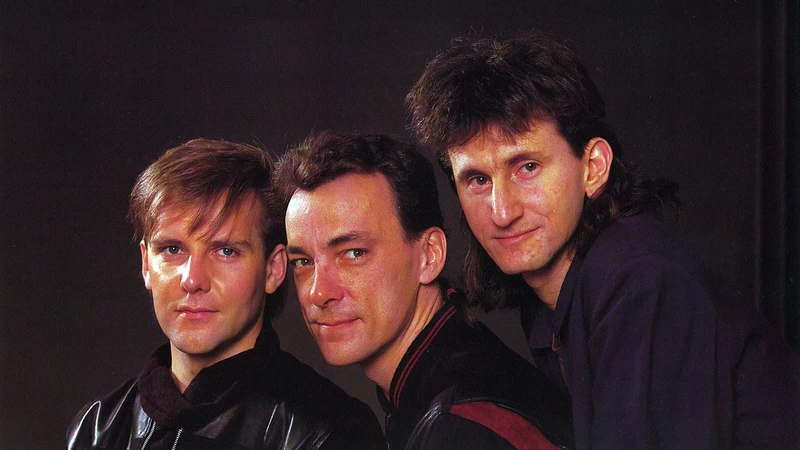
Hailing from the Great White Northern city of Toronto, Rush was one of those bands that never grandfathered themselves into one specific style. Whether it was the ‘Canadian Zeppelin’ aesthetic of their early years, crafting side-long progressive epics well into the ‘70s, or streamlining into the ‘80s with more commercial approaches, the group grew alongside their devoted audience. By 1984, the indicators of Rush’s musical evolution became more radical.
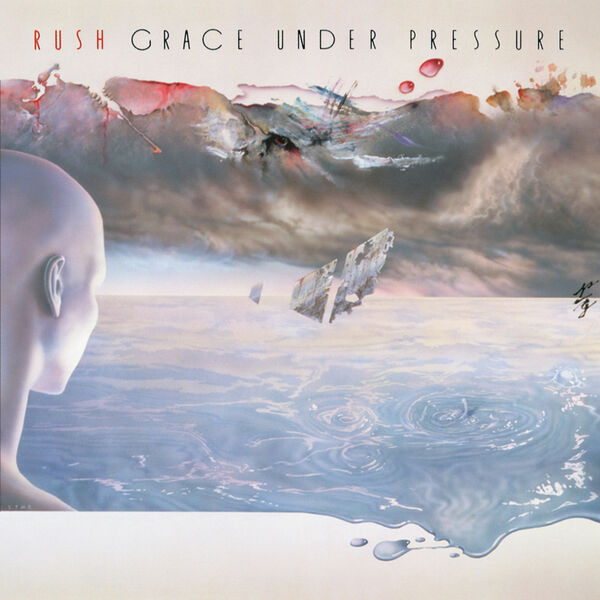
Synthesizers were always a textural touch to Rush’s power trio sound in the 1970s. As the 1980s progressed, they became a more melodic fixture to the extent that their work started to veer towards new wave. Grace Under Pressure was the closest Rush got on a consistent plane to balancing Alex Lifeson’s guitars and Geddy Lee’s keyboards, augmented by Neil Peart’s electronic percussion. One listens to “Distant Early Warning,” “The Enemy Within,” and “The Body Electric” and can’t help but notice that Rush was borrowing reggae and ska influences from contemporary bands like The Police and XTC. Some of Peart’s philosophical lyrics on this album also had deeper sentiments, such as grieving over loss (“Afterimage”) and Holocaust concentration camps (“Red Sector A”).
Released in April 1984, Grace Under Pressure was for Rush both another Top 10 album and a platinum-certified seller in both the US and Canada. As their style evolved further and returned to a more guitar-driven sound, much-loved tracks like “Distant Early Morning” and “Red Sector A” remained live staples. Even a track like “Between The Wheels,” which initially received its sole live airing back in ‘84, became reappraised during latter tours.
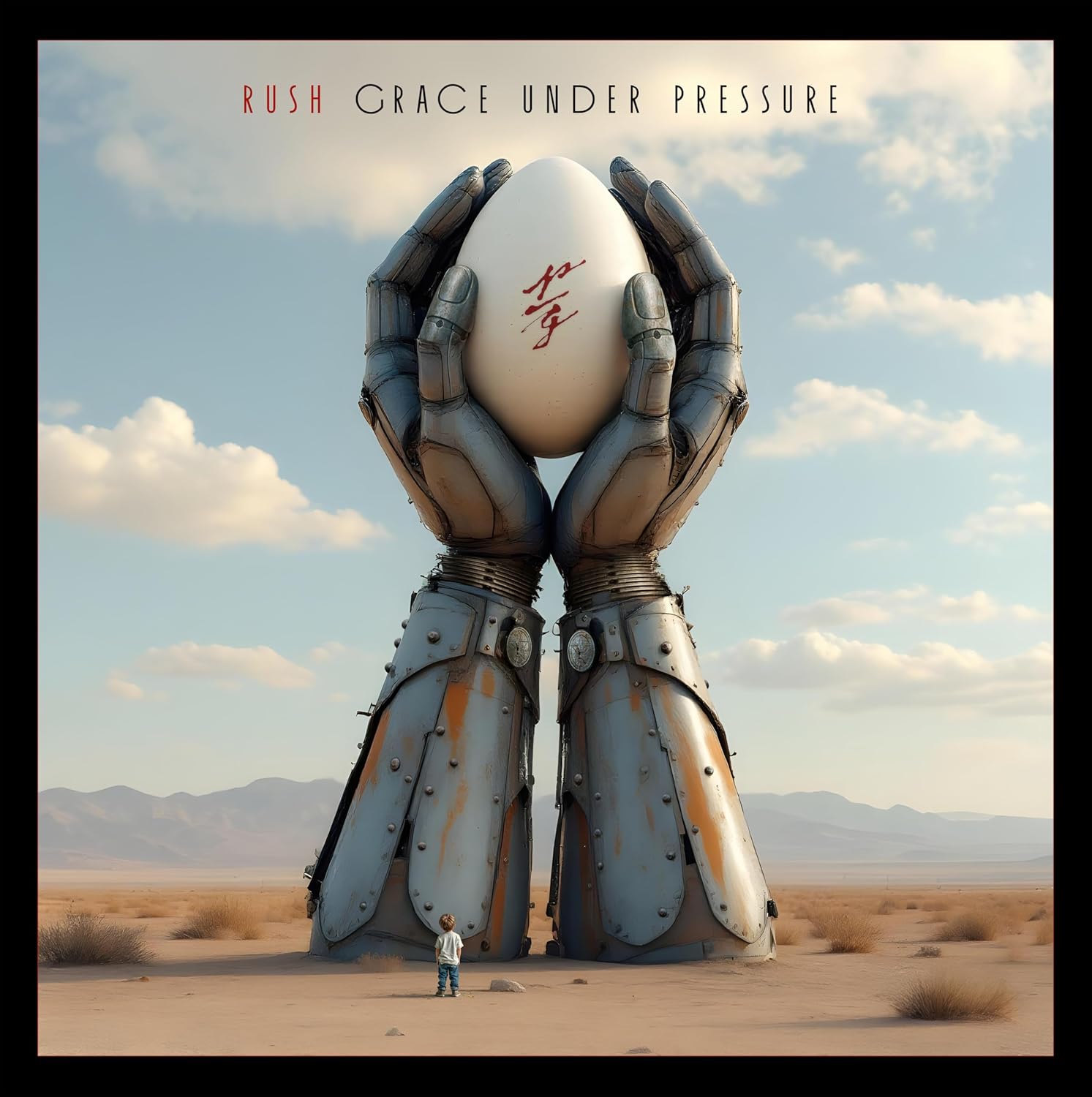
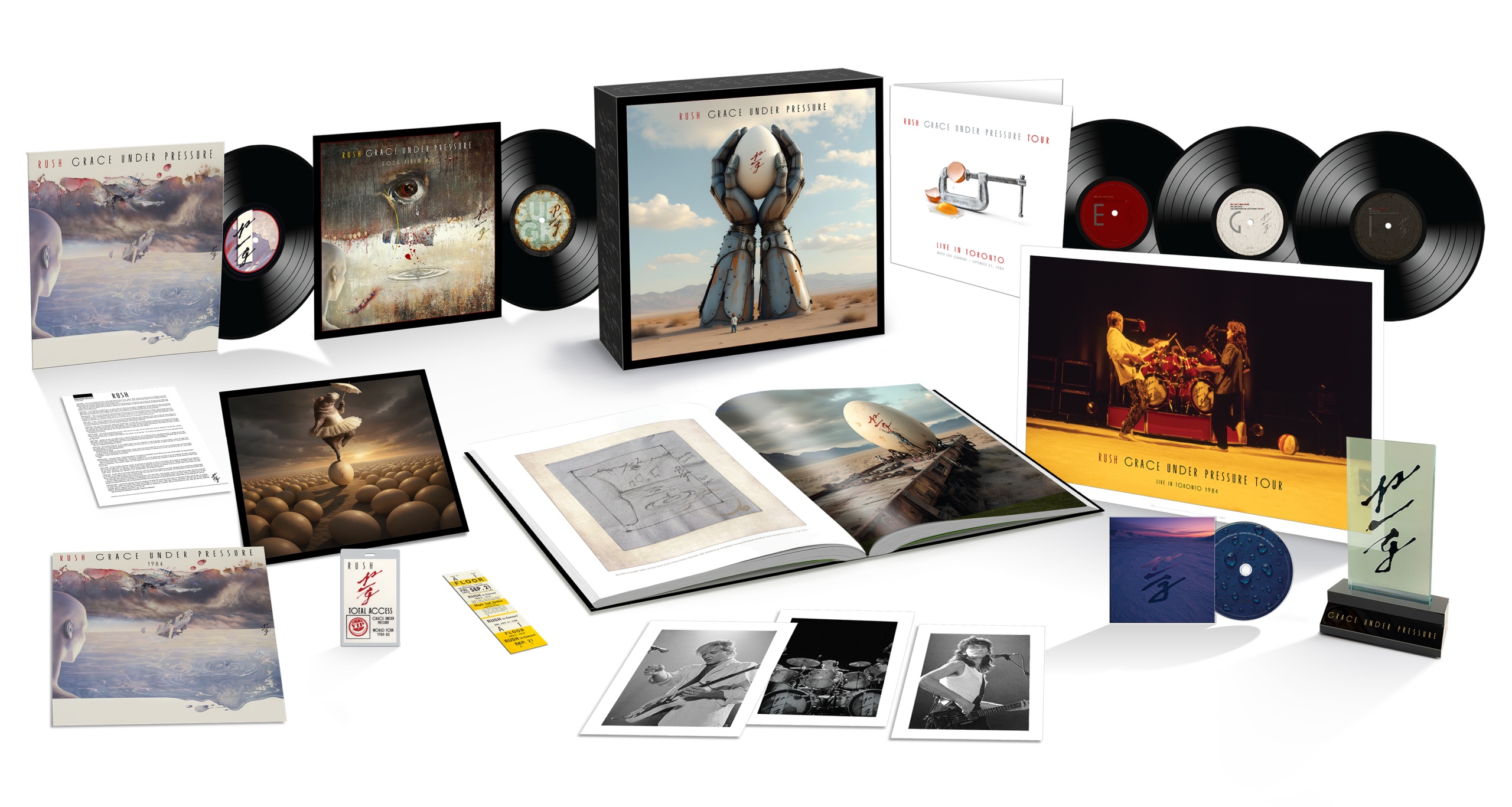
Grace Under Pressure is the sixth Rush album since 1976’s 2112 to receive a lavish super deluxe box set. Despite missing its 40th anniversary two years prior, it’s better late than never. The box set features a newly designed cover by Rush’s long-standing art director, Hugh Syme, with spot varnish elements against a matte soft-touch coating; it’s best to wear ‘kid gloves’ while handling it (if you know, you know!). A 52-page hardcover book features liner notes from Geddy Lee, new illustrations for each of the album’s lyrics, and previously unseen live photos. There’s also an envelope that houses lithographs, a poster, and all the fathomable bits of replica memorabilia (a tour program, a concert ticket, a backstage pass, and a press release). Each LP jacket is presented in sturdy tip-on jackets, once again with spot varnish elements, and the LPs are appropriately housed in poly-lined inners. To top it off, the most absurd yet borderline-cool feature is an acrylic LED light-up display of the album’s abbreviated symbol; does anybody need a night light?
LP 1 is the original mix. This remaster provides a lot of air in the top end, where the only benefit to the bottom end is the Taurus pedals on “Afterimage.” Considering that keyboards were becoming a more integral component of Rush’s sound palette, the huge chord washes on “Between the Wheels” three-dimensionally fill the soundstage. Alex Lifeson’s guitars provide both great texture and muscle throughout this album. Geddy Lee’s vocals sound consistently warm, but often get lost when the guitars dominate the mix. Neil Peart’s drum sound is a hodgepodge on this pressing. The tracks that feature more natural instrumentation, particularly “The Enemy Within” and “The Body Electric,” are where his drums provide great depth. It’s when there’s electronic percussion involved that makes the hi-hat on “Red Sector A” sound more like a distorted hiss than a crisp strike. If it wasn’t for questionable EQ choices, this pressing could’ve sounded pleasing on all fronts.
LP 2 is Terry Brown’s stereo remix. Terry was very much a ‘George Martin’ figure for Rush, handling production duties for the group’s first nine albums. The group made the conscious decision to work with producer Peter Henderson on Grace Under Pressure as a means of exploring different techniques and approaches, which makes Brown’s attempt to crack an album he never worked on rather intriguing.
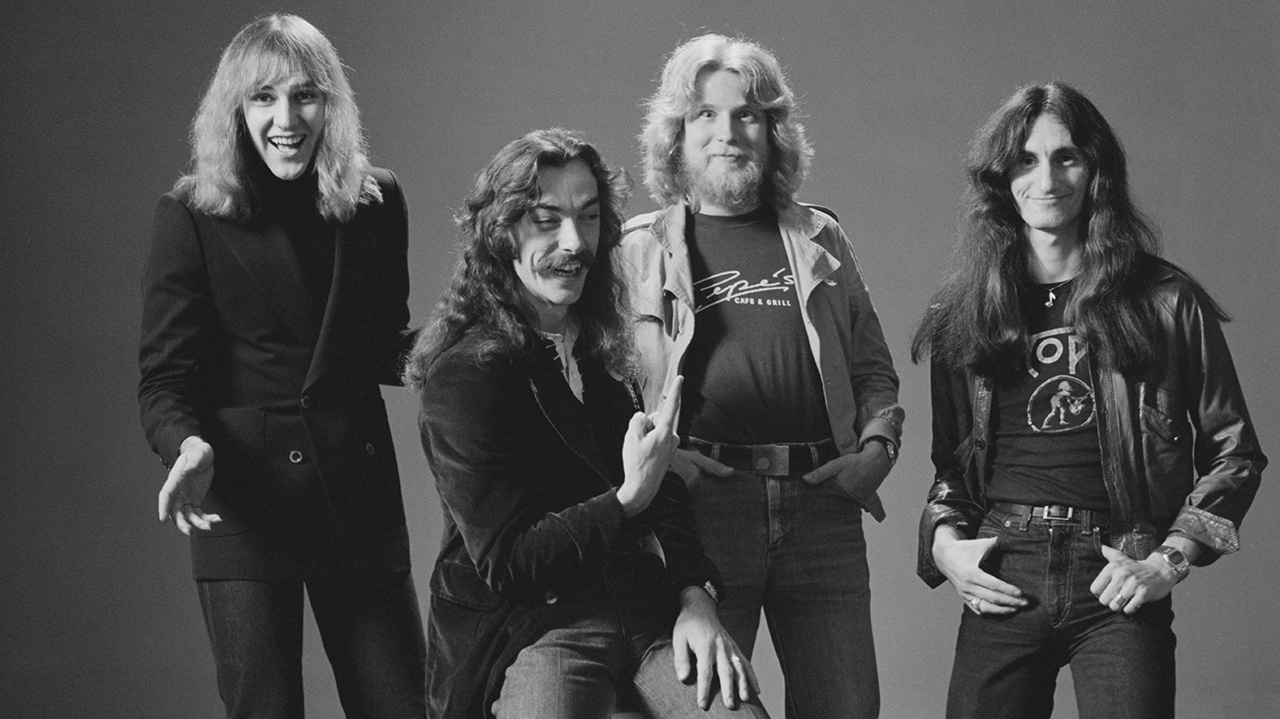 Rush w/Terry Brown (second from right), circa 1977
Terry Brown lifts a veil off some of the elements that had a bright sheen, making Alex Lifeson’s guitars warmer and Neil Peart’s drums more rounded. Geddy Lee’s vocals have improved in pronunciation, but the EQ on “Afterimage” and “Kid Gloves” makes them sound lost and overbearing, respectively. Side closers “The Enemy Within” and “Between The Wheels” sound like each member is fighting their way to the front of the mix, resulting in harsh inner groove distortion. Some of Brown’s ill-suited decisions that work against their advantage are the boomy reverb on “The Body Electric” and the excessive shrillness on “Red Lenses” that makes the track unlistenable. Analytical listeners will notice extremely minute aspects that weren’t prevalent in the original mixes, whether it’s Geddy’s vocal ad libs on “Afterimage” and the fact that “The Enemy Within” has a hard ending instead of its traditional fadeout. Terry Brown had good intentions on this remix, but it falls flat.
LPs 3-5 consist of a show from Toronto’s Maple Leaf Gardens on September 21st, 1984. Basically an extended soundtrack to the Grace Under Pressure Tour concert video, this reinstates over 30 minutes worth of performances left off the final cut (“Subdivisions,” “The Body Electric,” “Between The Wheels,” “Red Barchetta,” “Kid Gloves,” “Red Lenses,” and Neil Peart’s drum solo), presenting the show in its entirety for the first time. This recording places the listener in a crowd of 23,000 Canadians clapping along to “The Spirit of Radio” or exclaiming in excitement as the pyrotechnics go off during “Red Sector A.” It’s mixed relative to each member’s stage positions: Alex to the left, Neil panned across the center, and Geddy to the right. Surprisingly, fatigue from the crystal clear applause doesn’t set in, not to mention how the band’s mix breathes so pleasantly. The fact that three musicians were able to pull off such musically ambitious material in a live setting without the aid of side players or backing tracks is truly admirable. It’s relieving to know this is the best-sounding component of the box set.
For this review, I listened to the Blu-ray on a friend’s home theatre system. It utilizes a 5.1.2 speaker configuration.
.jpg)
The Blu-ray features Richard Chycki’s newly prepared Dolby Atmos and 5.1 mixes. The natural instrumentation (guitar/bass/drums) is locked in the front, spreading keyboards and subtle ambiance to the rears and overheads. Geddy Lee’s Taurus pedals are more noticeable on this rendering of the album, making the subwoofer rumble on “Between The Wheels,” and Alex Lifeson’s guitar leads have more of a stinging quality. Two tracks that exemplify the capacities of mixing in Atmos are “Distant Early Warning” and “Red Lenses.” The former has the sound effects hovering behind the listener, and the latter has Neil Peart’s combination of acoustic and electronic drums dancing around every speaker. One of the more transformative tracks on this Atmos mix that made the track more enjoyable was “Red Sector A.” The synths, moved to the front, play a more integral role in the arrangement. Peart’s steady hi-hat is very trance-like, and the auxiliary percussion provides a chimy atmosphere in the rears. Whereas Terry Brown took some liberties in stereo, Chycki’s surround mixes pay the original immense respect.
As if the Toronto ‘84 show is a treat on vinyl alone, the Blu-Ray features the full show re-edited from the original camera masters. Before approaching this, I revisited the original Grace Under Pressure Tour concert video (originally released on VHS in 1986 and featured on the Rush Replay X3 DVD box set in 2006). I admired the way director David Mallet approached this footage, focusing on each member when appropriate and the scale of the stage production. What sounded like a great idea in writing regarding revisiting this footage was, in reality, a lopsided amalgamation.
-(1).jpg)
Due to his overly lengthy screen time on this new edit you could’ve sworn Geddy Lee was the only notable member of the band. I also noticed slight differences in vocal takes, which makes me believe the original cut features either overdubs or audio flown in from a different performance (possibly the one from September 22nd, since they performed two consecutive nights in Toronto). When it comes to these revisionistic attempts, one thing to consider is that the original video is ingrained in the minds of those who watched it repeatedly over 40+ years. Certain angles and moments in the original provide impact to the material, and this new version misses out a lot. There are also unforgivable sync errors where what Neil Peart is playing on screen hardly matches the audio; editor Jared White should be crucified for that alone! What would’ve been more appropriate was restoring Mallet’s original version and assembling the additional tracks from existing b-roll into the show’s running order or as a bonus. Nitpicking aside, the presentation is very much a time piece, down to Joe Flaherty in his Count Floyd persona announcing “The Weapon,” Alex Lifeson’s Miami Vice outfit, and Geddy Lee’s mullet haircut (it was the ‘80s after all!). The one advantage of this inclusion is the fact that most of the Blu-rays in these super deluxe sets lack visual material, so getting a full-length concert, alongside audio-only content, is a win-win.
There’s contentual substance to the contents of this super deluxe edition of Grace Under Pressure, but the price is insulting. If you’re part of the wealthy elite that scored tickets to the Rush reunion (if you can call it that) tour this summer, you probably think the $374.98 MSRP is a bargain. The shoddy execution of some of its contents is worth playing the waiting game for a deep price drop in the hopefully near future.