
Grappling with the Avant-garde: Revisiting Classical Music’s Most Experimental and Divisive Period - Part 3: “A Guide to the Avant-garde on Vinyl (and CD)”
From Deutsche Grammophon to Nonesuch, ECM and beyond...
I still vividly remember the first time I listened to what I would later learn was called “avant-garde” music. I was 13 and pottering around in my school record library. I pulled out a record with an intriguing cover…
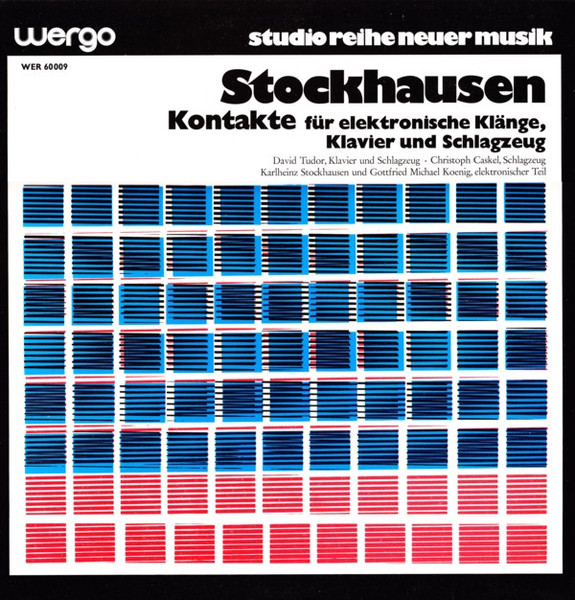
I had kinda heard of this Stockhausen fellow, so I put it on the turntable.
Some 30 minutes later my mind was thoroughly and irrevocably blown. I didn’t really understand what I was hearing, but I liked it. I was already into electronic music via my exposure to the Beatles and Pink Floyd, but this was different. The tape portion of the work was far more “in your face”, almost primal in its animal urges and changes of mood. A far cry from the more discreet ambient effects in Floyd, and the manipulations of Sgt. Pepper. Weaving in and out of the electronics were the note clusters and detonations of the piano and percussion. I found the juxtaposition of two such wholly different sound worlds mesmerizing.
So I absolutely had to buy a copy. Cruising into the modern music section of the old HMV store on London’s Oxford Street, down in the classical music (and spoken word) basement that was a treasure trove of vinyl, I found only this copy of Stockhausen’s Kontakte:
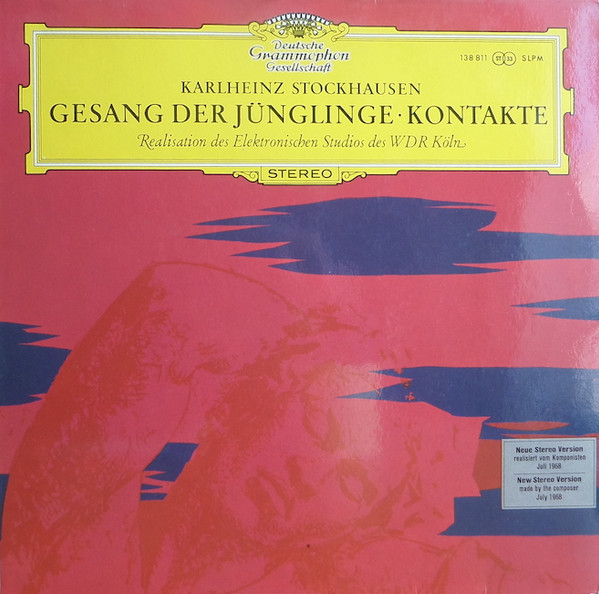
OK, a different recording but so what. And that cover was dead cool. (Let’s face it, all those DG records, with that striking yellow cartouche on the cover, oozed luxury).
But a surprise awaited me when I dropped the needle. There was no piano or percussion, just the tape.
That’s when I discovered that Kontakte existed in two forms: tape only, and the version for tape, piano and percussion. But the tape-only version was no disappointment. Being able to listen to the electronic part of the composition without any kind of acoustic instrumental distraction held its own fascination. It had its own kind of purity. The immediacy of the electronic sound compared to the necessarily more diffuse Wergo recording was extraordinary. And then there was the coupling, Stockhausen’s groundbreaking Gesang der Jünglinge (Song of the Youths).
Pre-dating Kontakte by a few years, realized at the legendary radio studio of WDR Cologne (Westdeutsche Rundfunk Köln), Gesang blended together manipulated recordings of a boy’s voice with electronics, and is generally considered the first “masterpiece” of electronic music. It is an early example of musique concrète being combined with electronics. (Musique concrète is the term applied to music that consists of recordings of acoustic events that are then manipulated via tape, electronics etc. - essentially the earliest example of sampling).
It’s easy to imagine that the disruptive nature of Stockhausen’s music, both sonically and compositionally, had a lot to do with rejecting the old-world cultural values that had been part of the march towards the conflagrations of two world wars. That rejection of the “old world” of tonality and conventional acoustic instrumentation in favour of the unfamiliar, confrontational modes of electronic music, musique concrète, and total serialism is an intrinsic element in the avant-garde movement, and its modernistic 9and post-modern) allies. In turn, some 30 year later, as the 20th century waned, the rejection of that compositional mode, and the re-establishment of tonality (but a tonality transformed) in the works of the minimalists (Terry Riley, Steve Reich, Philip Glass) felt like another revolution against what had become, itself, a new cultural hegemony.
One of the core factors that allowed for all this new approach to music and sound to even happen was the emergence of tape as a reliable recording medium. The existence of tape as a genuinely “hi-fi” carrier, and the subsequent development of the vinyl record, first in mono, then in stereo, as a means of distributing more than decent facsimiles of what was on that tape into the home, went hand-in-hand with the advancing charge of modernism in music. One could never have happened without the other.
Yet the recording industry itself held a rather more cautious attitude to all this experimental stuff. It did not - never did, and never would - go out of its way to record and distribute modern music. The market for the avant-garde and other modernist music remained a niche one. Yes, there were specialist labels like Wergo which were regularly releasing the latest avant-garde happenings, but the major labels were hesitant. Into the gap jumped a number of smaller specialist labels wanting to record and chart the avant-garde movement. They were labels who prized audiophile sound, something which seemed to go hand-in-glove with the avant-garde, and so many of these records are highly prized amongst collectors as much for their sonics as their music.
One of the most important labels in this niche market was Nonesuch. Its run of contemporary music titles became one of the foremost homes for the American avant-garde, and it featured composers like Elliot Carter, Charles Wuorinen and George Crumb prominently. With their distinctive jackets (which, alas, do not wear well with time), these records still regularly show up in the used bins for a buck or two. Sometimes the label even commissioned the music it recorded. The legendary recording team of Joanna Nickrenz and Marc J. Aubort regularly worked for Nonesuch, and many of these titles are their work.
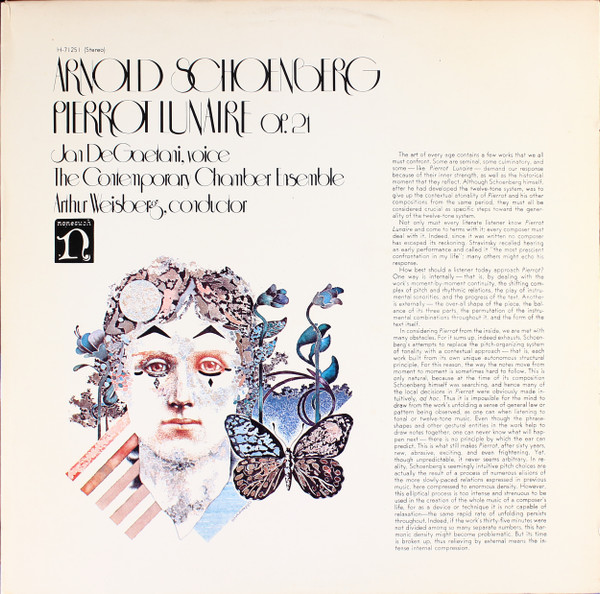 One of the best recordings of this difficult but trail-blazing work
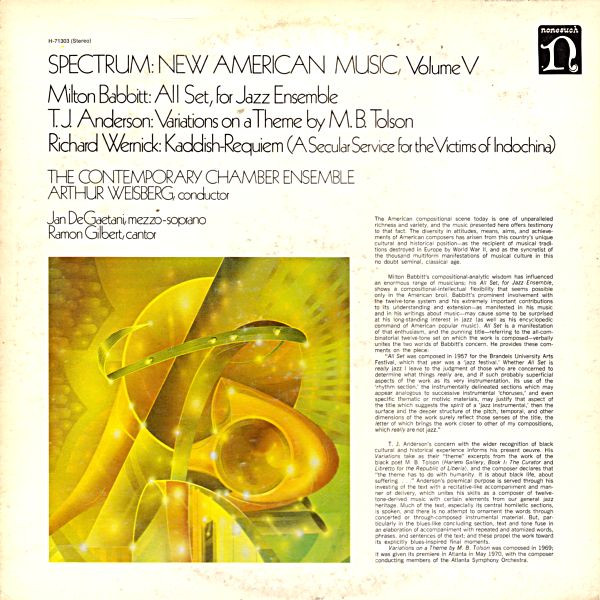
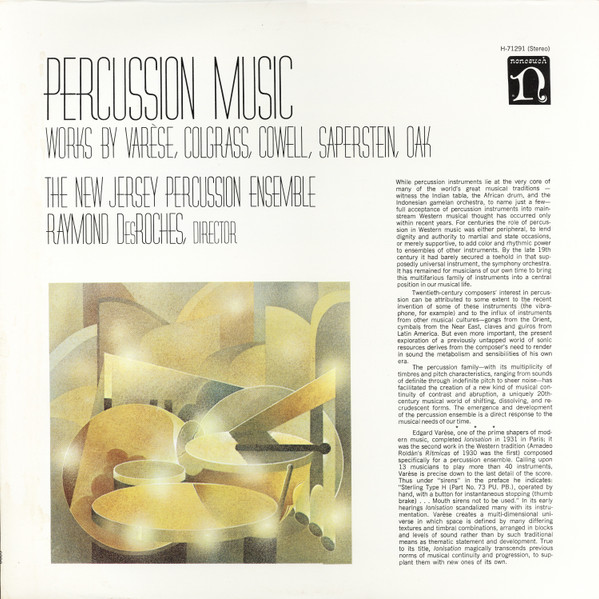
My audiophile listening group recently auditioned the version of Varèse’s Ionisation on that last classic percussion record, comparing it to the Decca version with Zubin Mehta and the LAPhil (in both its OG UK pressing, the Speaker's Corner version, and the new Decca Pure Analogue version - review forthcoming).
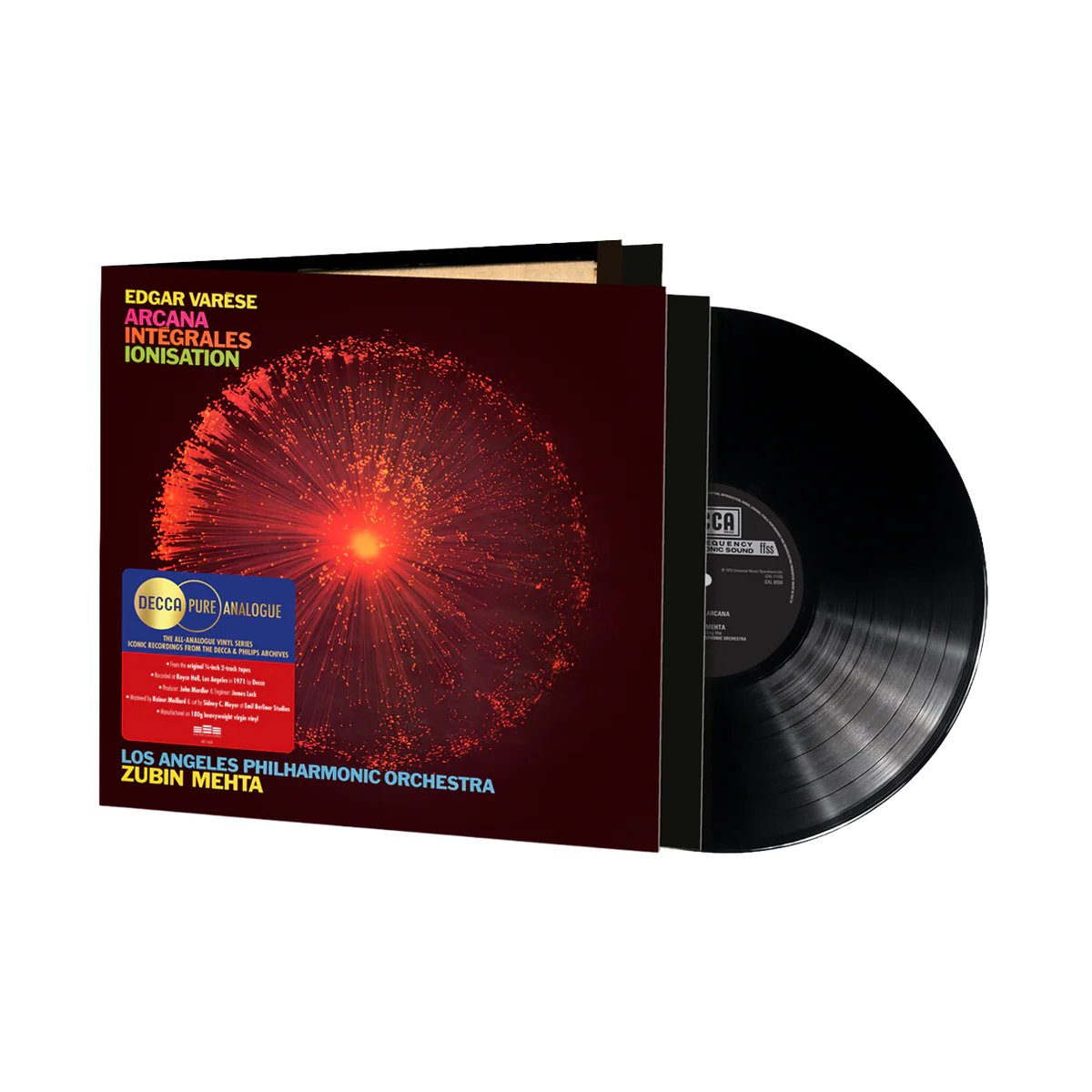
The Nonesuch version in no way suffered by comparison.
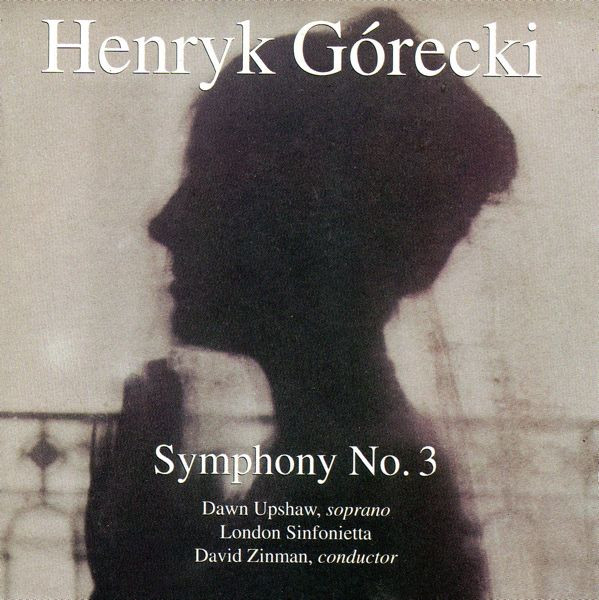
As Minimalism began to take hold, Nonesuch became the unofficial “official” label of the movement, releasing many seminal albums of music by the American contingent of Terry Riley, Steve Reich, Philip Glass and John Adams, as well as prominent Europeans like Louis Andriessen and Henryk Górecki, whose 3rd Symphony (with soprano Dawn Upshaw) became an unlikely best seller in the 90s.
Nonesuch’s recording of John Adams’s opera Nixon in China was another unlikely hit.
I first discovered Adams’s music when I was in London’s newly opened Tower Records in Piccadilly, in the early 80s. This quite wonderful ethereal, tonal but clearly modern music was playing over the in-store system. The ECM label soon became another recording epicenter for the "new avant-garde".
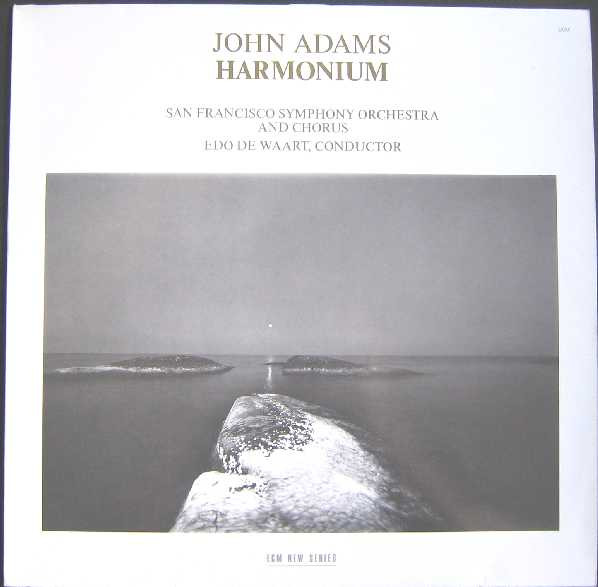 I bought this record on the spot, and remain a confirmed John Adams fan, whom I find consistently one of the most rewarding of that generation of composers.
With its New Series that debuted in the 1980s, ECM (as it did with Jazz) succeeded in marrying a lean but striking visual aesthetic with the new musical minimalism in a manner that held enormous appeal to a new generation of record/CD collectors. It was a masterstroke of marketing, with people (myself included) often buying the latest ECM releases because we had a pretty good idea what the music was going to sound like - and we liked the cover!
The superstar of the label was Arvo Pärt: his recordings sold like hotcakes.
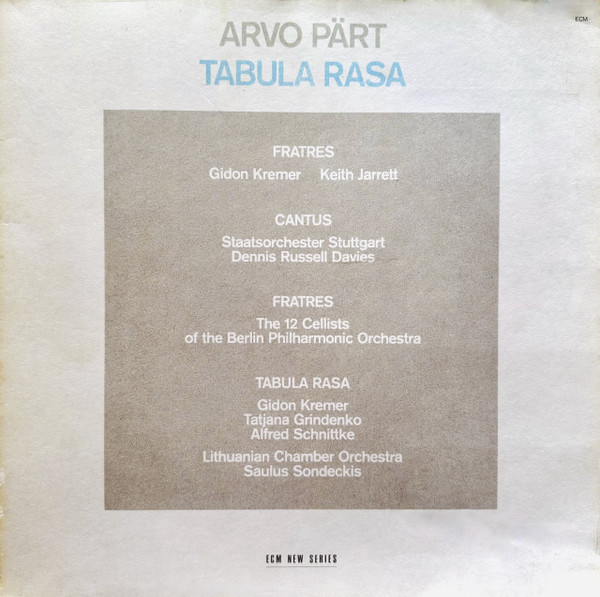 The first Arvo Pärt album on ECM from 1984
But the real dark horse was a new kind of crossover album, in which the jazz saxophonist Jan Garbarek improvised with the Hilliard Ensemble singing Medieval and Renaissance music in an Austrian monastery! It was a sales juggernaut.
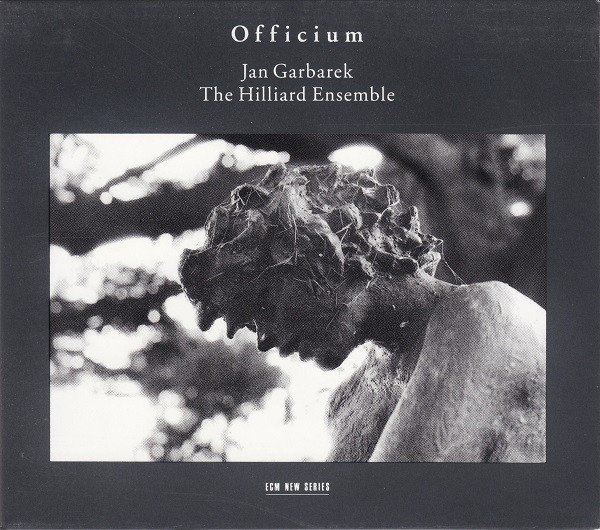
This album, released in 1994, was an implicit acknowledgment that one strand of the avant-garde had unequivocally shifted back towards tonality, albeit a tonality that was closer to the Medieval and Renaissance mode, and was perfectly happy to play footsy with other musical genres like jazz. All manner of crossover albums which featured some kind of interconnection between jazz and classical and rock and world music and electronics began to be released in this period.
One of the more interesting progenitors of this kind of music was Peter Gabriel, both via his own music, but even more so via his Real Worlds label. He was especially interested in the intersection of world music with Western artists, leading to a slew of fantastic hybrid genre releases.
 Night Song - one of a series of albums by Nusrat Fateh Ali Khan, this one a collaboration with Michael Brook, on Peter Gabriel's Real World label
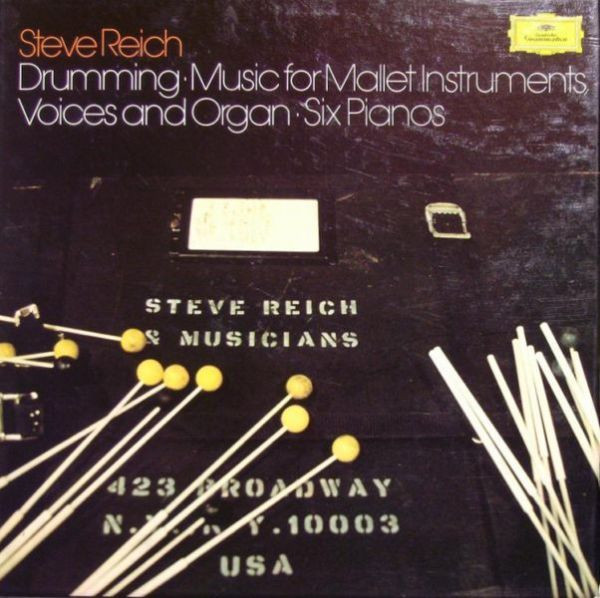
The second half of the 20th century’s discovery of world music via a growing familiarity with foreign cultures in general was further facilitated by the new tape technology post-WWII. With its distinctive and foreign sonorities, and its new types of scales and harmony, world music’s dissemination resulted in all manner of cross-pollination that helped define modernism, from Britten’s Prince of the Pagodas to David Fanshawe’s African Sanctus on the conservative end of the spectrum, to Lou Harrison and Toru Takemitsu on the more avant-garde end of things. Steve Reich’s Drumming (soon to get an EBS vinyl remaster) was the result of a deep immersion in African music and methodologies.
Many of John Cage’s ideas about new approaches to the act of composition itself derived from Eastern philosophy.
Returning back to the heady days of 60s and 70s classical avant-garde, several smaller labels specialized in the hardcore European composers. Often they placed a premium on getting the best sound possible, and the fact is some of the best sound in classical vinyl is to be had with records of this thorny repertoire. It’s not surprising, since sound in and of itself was a core obsession of avant-garde composers.
I only have limited experience with these labels, so I thought I would ask someone who knows their releases intimately to give us the run down. Greg Arnold owns a superb record store in Los Angeles, and he specializes in jazz, classical - and avant-garde, past and present. Here’s what he had to say about these labels and, as you can see, all these stunning records are currently in stock at his shop. He also does a weekly on-line drop, which he talks about on his YouTube channel.
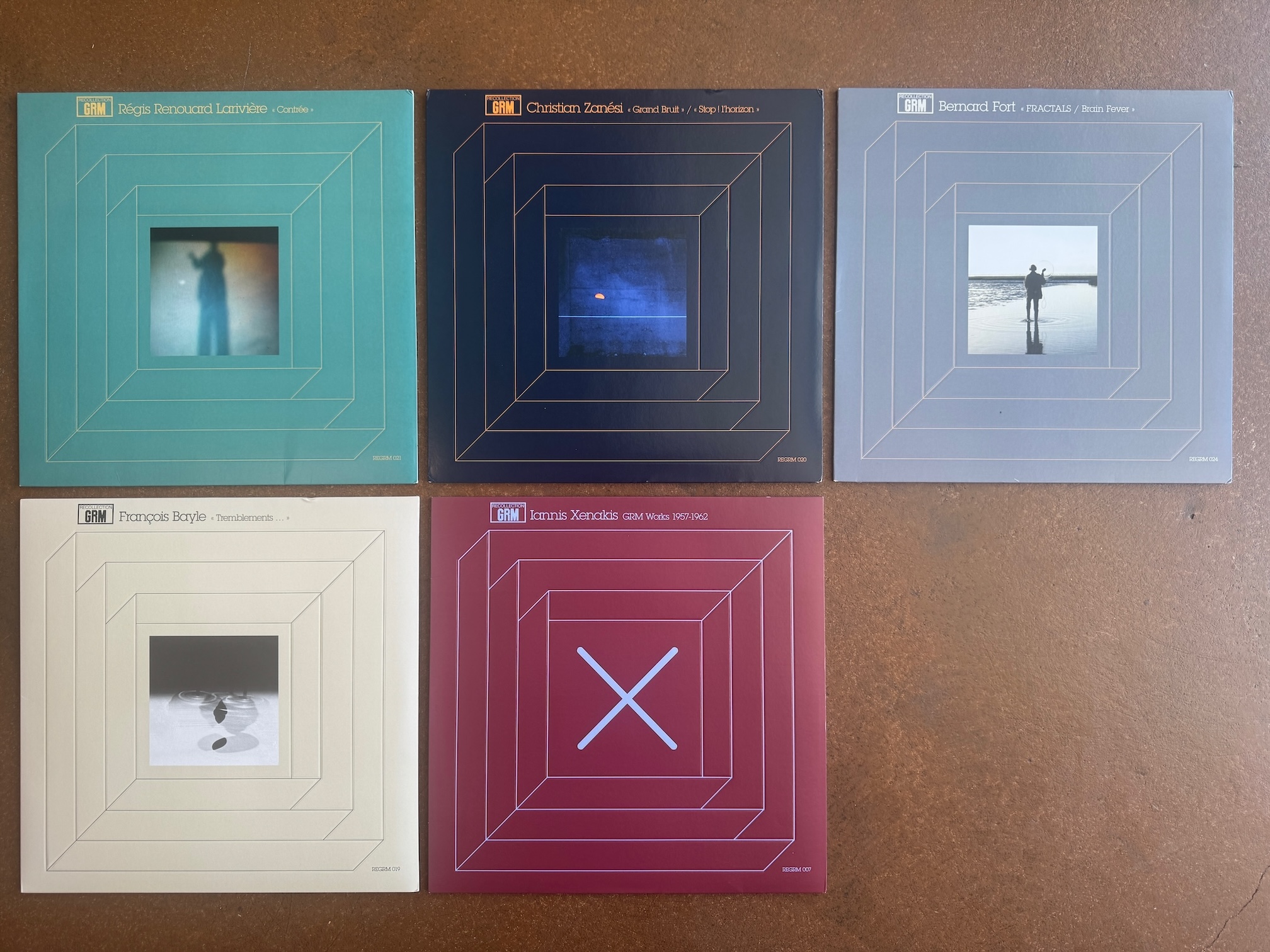
“GRM is one of my all time favorite catalogues of experimental recordings, Groupe de Recherches Musicales (GRM), founded in 1958 by Pierre Schaeffer, is a foundational French institution in experimental music, often associated with the broader European avant-garde. [Luc Ferrari, one of whose records is part of this group of three DG Avant-garde reissues, was closely associated with GRM - MW]. Central to the development of musique concrète, it pioneered composition using recorded sound as primary material, while also engaging with emerging practices such as modular synthesis and spatialized electroacoustic composition. Its orbit intersects with major figures like François Bayle and Iannis Xenakis, whose work expanded the boundaries of sound, structure, and perception. The GRM catalog stands as a landmark of postwar innovation, uniting studio research, technological experimentation, and deeply immersive listening.”
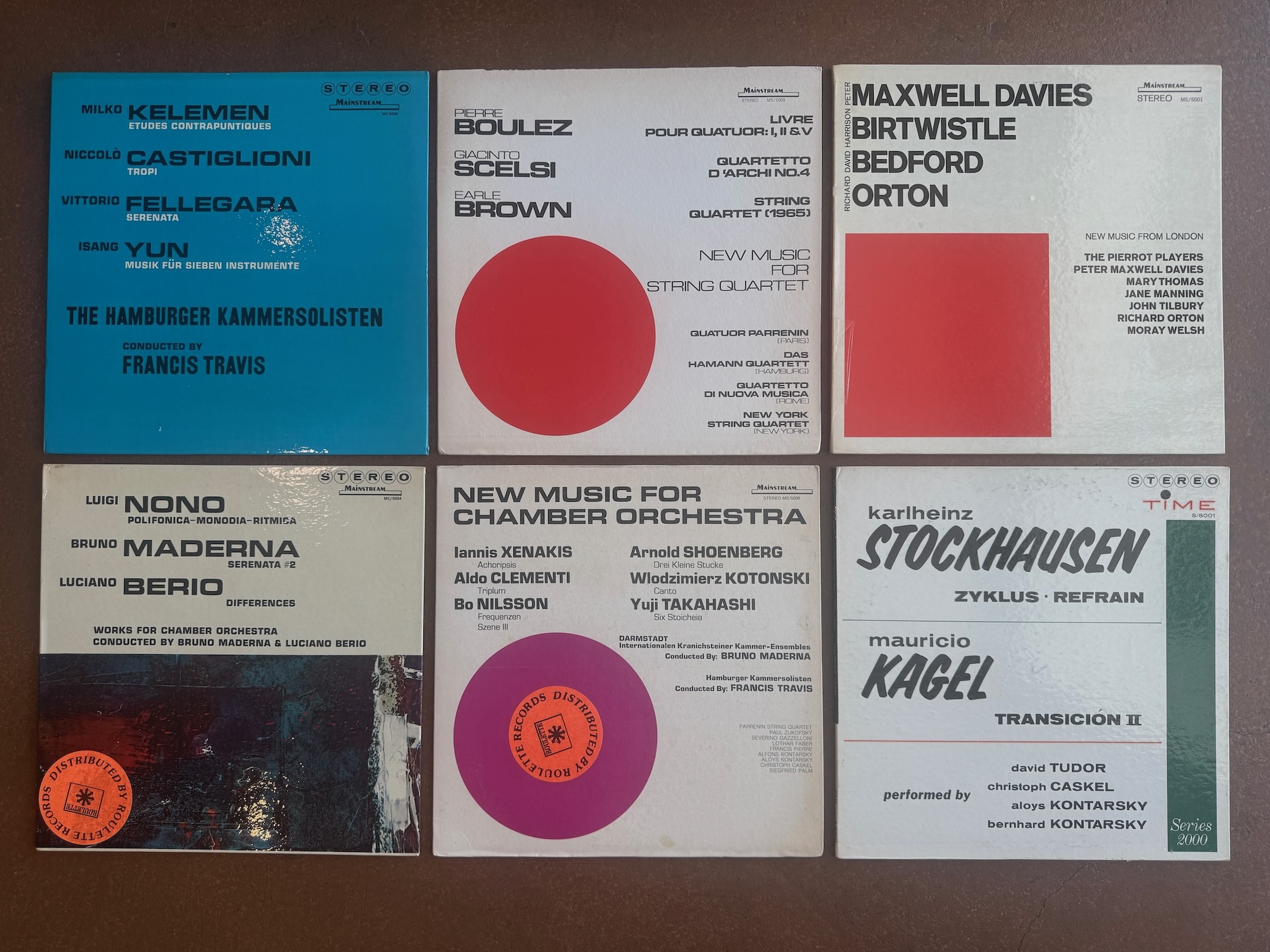
“Though remembered primarily as a jazz and blues label, Mainstream Records became an unexpected sanctuary for some of the most experimental releases of the late 1960s and early 1970s. Under producer Bob Shad, of all the avant-garde releases of the time, these recordings are the most sonically superior. These records have a sound that, in my opinion, is every bit as good as, if not better than, Mercury Living Presence and RCA Living Stereo. The small group and chamber works are my favorites. There are also a lot of international composers from South America, Korea, and Japan that I first discovered through this series. Be sure to explore the deeper repertoire and don't just stick to the Cage and Stockhausen. Absolute audiophile recordings in every way.”
With the dawn of the 1970s, with the record industry kicking into high gear amid deep market penetration, plus rock and pop musicians increasingly incorporating elements of the classical world’s avant-garde movement into their music, the major labels saw an opportunity, and began imprints of their own dedicated to the release of modern classical music.
The “Majors” Do the Avant-Garde
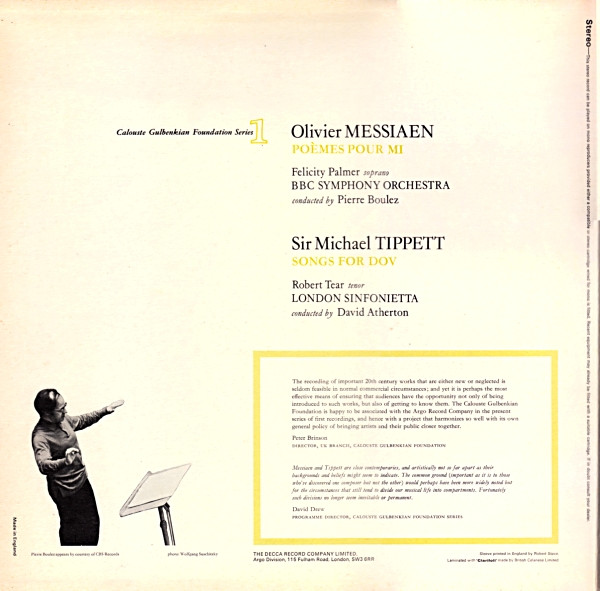
Argo, part of Decca, had its series of records devoted mainly to British composers funded by the Gulbenkian Foundation. It was via a record in this series that I came upon in that same school record library (which I was by then helping to run and stock) that I discovered the music of Michael Tippett (the Songs for Dov, which featured what I felt to be incredibly cool use of electric guitar - in a classical work!).

It was through a record on another Decca imprint, L’Oiseau-Lyre (later the home of early music galore in the shape of the Academy of Ancient Music et al) that I discovered the extraordinary talents of Japanese percussion maestro Stomu Yamash’ta, and the music of Hans Werner Henze, Peter Maxwell Davies, and Toru Takemitsu (released in 1972).
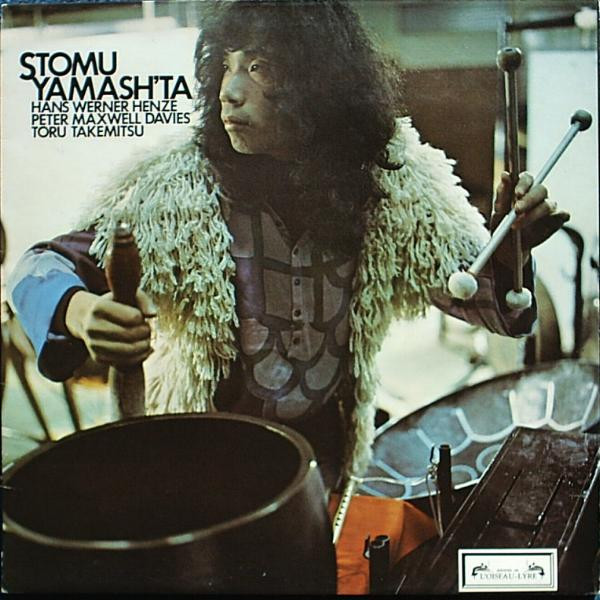
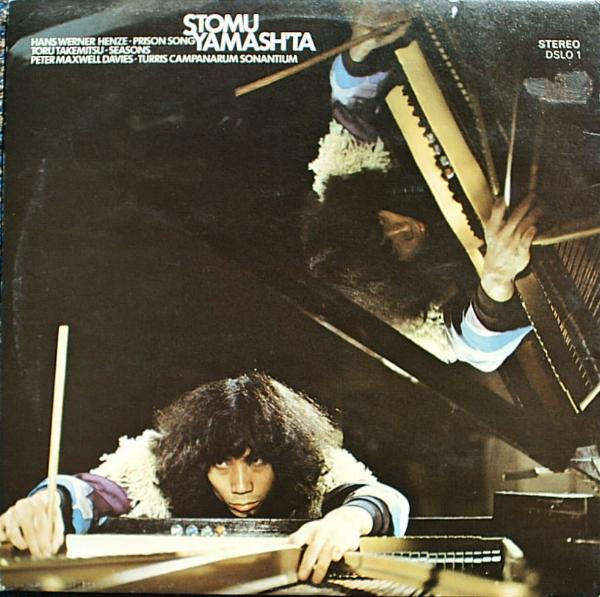
This, along with Stockhausen’s Kontakte, was one of my earliest forays into true avant-garde music, and it remains a great point of entry for anyone wanting to explore this stuff: three very distinct composers all doing something very different with the same battery of instruments.
Peter Maxwell Davies was an emerging composer at this time - a very fine one, fully up for shocking his audience with works like Eight Songs for a Mad King (1969). But as he got older he fell more into the category of a general modernist than a strict avant-gardist. I subsequently attended some talks given by him at the renowned Dartington Summer School in the early 80s, which were full of insights. One especially fascinating tidbit: Davis lived on the remote Scottish Islands of Orkney, and he would go for long walks, composing in his head as he went. Turning around and returning via the same path he had taken, he would “replay” the music he had written in his head as he looked at the details of the landscape he had passed while composing it, then get home and write it all down.
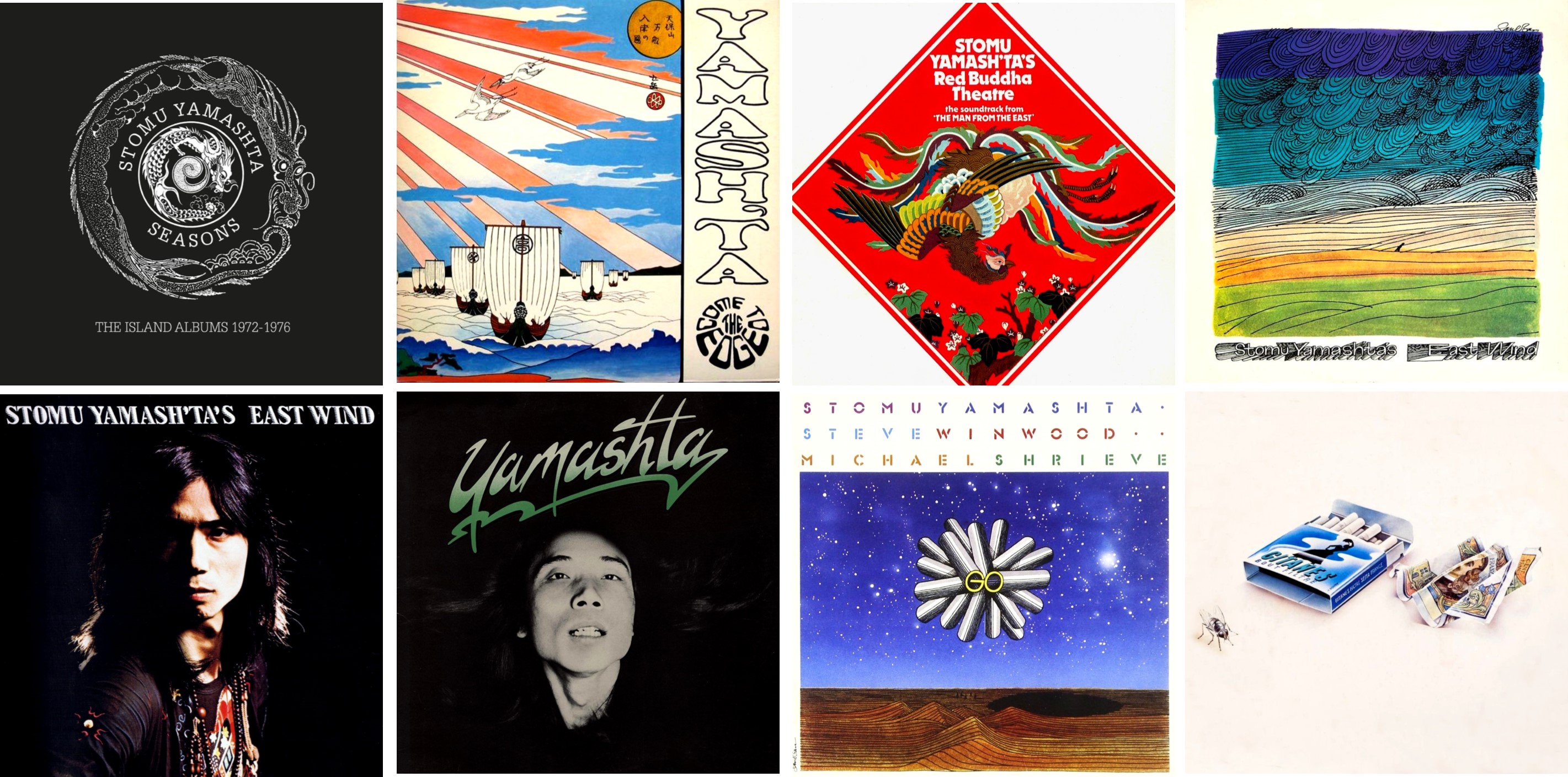
Stomu Yamash’ta was a central figure in the avant-garde, not surprising given modernism’s obsession with percussion. Many works were written specially for him. He would go on to have his own crossover career on the Island Records label, fusing world music with rock and classical avant-garde, and collaborating with such notable musicians as Steve Winwood, Al di Meola, Krautrocker Klaus Schulze, bassist Rosco Gee and vocalist Murray Head. If you do not want to track down the individual albums, they are all gathered together into an indispensable CD box, Seasons.
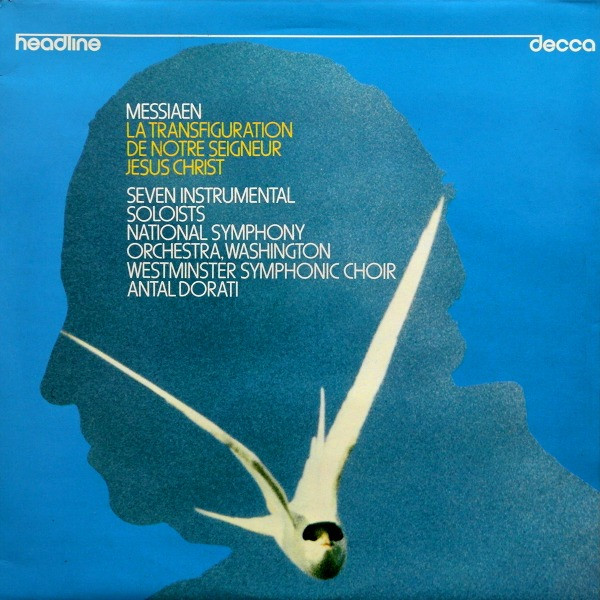
Decca debuted its “Headline” series in 1973 with Messiaen’s massive choral work Transfiguration de Notre Seigneur, an audiophile classic.
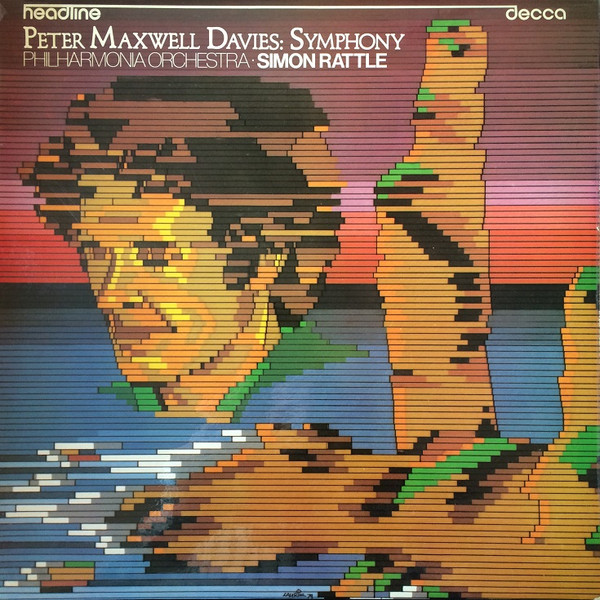
Maxwell Davies’s first (of ten) symphonies got its debut recording here, courtesy of Simon Rattle…
I am getting close to a full run of records from this series - they all have spectacular sonics (as do the Argo LPs):
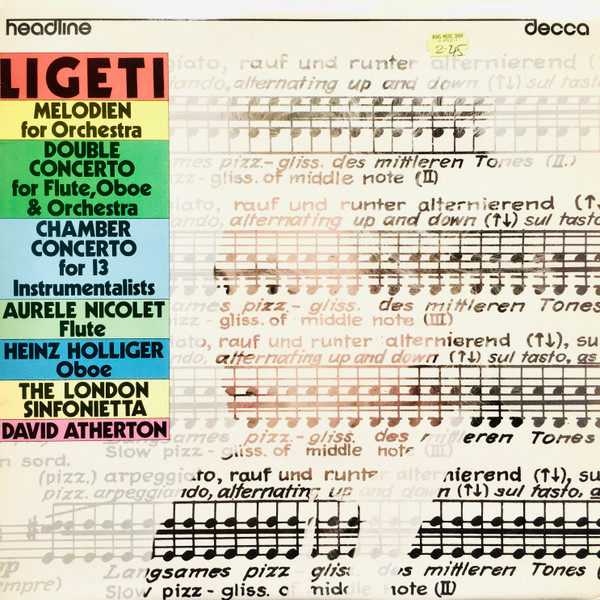
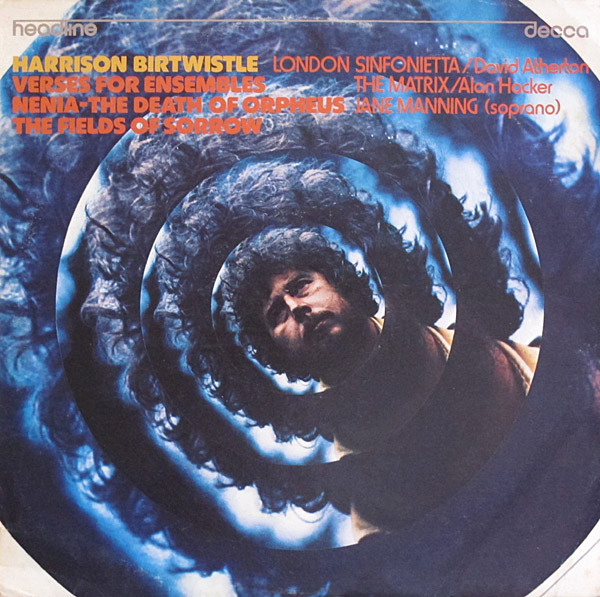
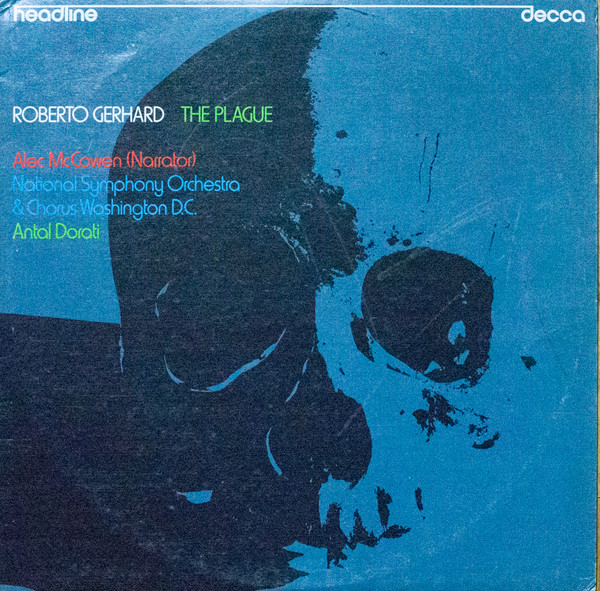
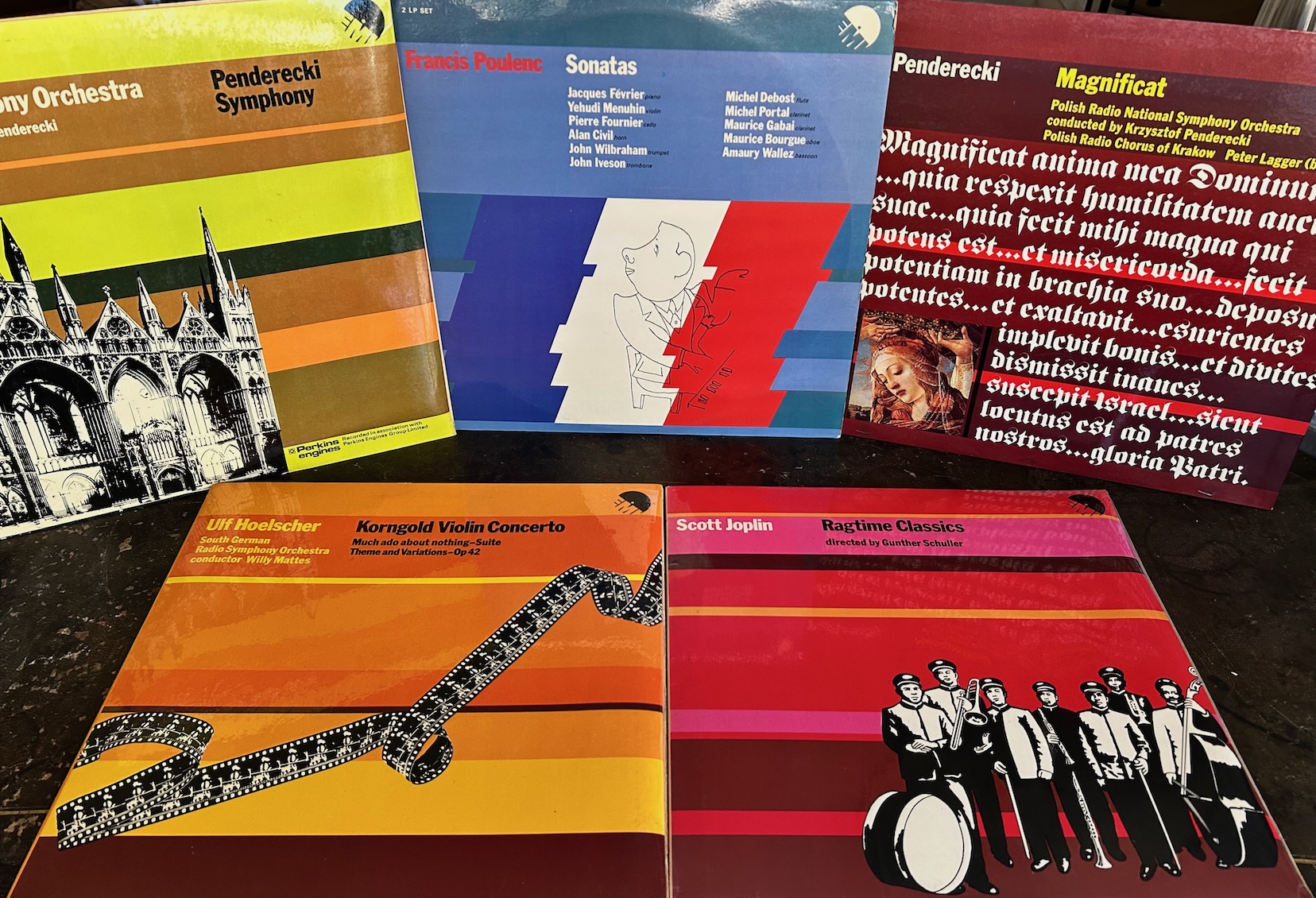
EMI followed suit with its own more eclectic imprint in the 70s, distinguished by its striking graphic design on the covers featuring different colored horizontal stripes. Within this series you will find essential Penderecki records, alongside less modernist fare of Scott Joplin and what was then the very unfamiliar Korngold Violin Concerto. The imprint was essentially a "catch-all" for "modern of every shade".
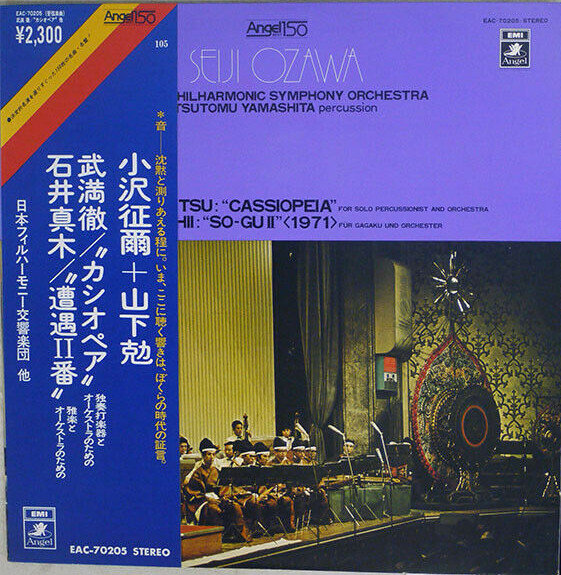
There is also a classic Takemitsu/Stomu Yamash’ta record, with Seiji Ozawa - a longtime champion of the composer - doing the baton honors.
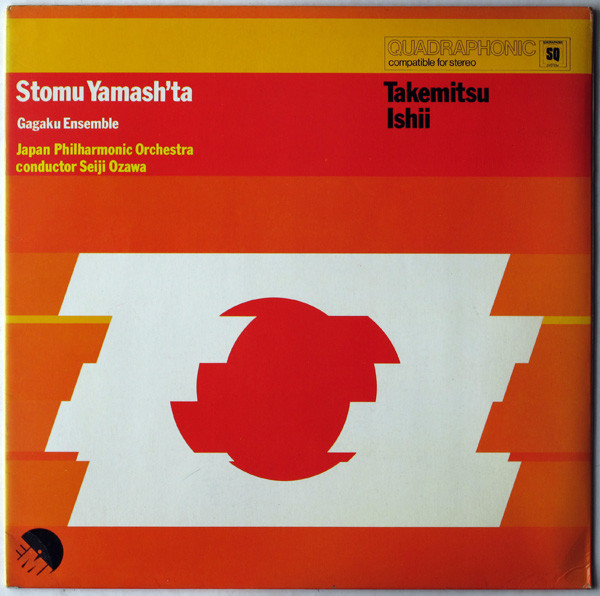
However, my EMI Japan copy is a superior pressing - this was the time of noisy vinyl in the UK.
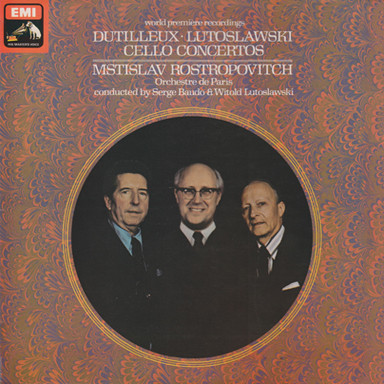
Labels often developed a strong relationship with particular composers, and alongside its commitment to Penderecki, EMI recorded a series of seminal albums of the music of that other important Polish modernist, Witold Lutoslawski. Even more so than Penderecki, who turned back towards tonality later in life, Lutoslawski has entered the classical mainstream more than many of his avant-garde and modernist contemporaries. A key recording of his music is this one from 1975 of his ‘Cello concerto performed by Mstislav Rostropovich, coupled with the completely different but no less important ‘Cello concerto by Dutilleux. This is a true audiophile recording of two 20th century masterpieces, and often turns up in the used racks (be sure to get the UK pressing). Both concertos are masterpieces and essential.
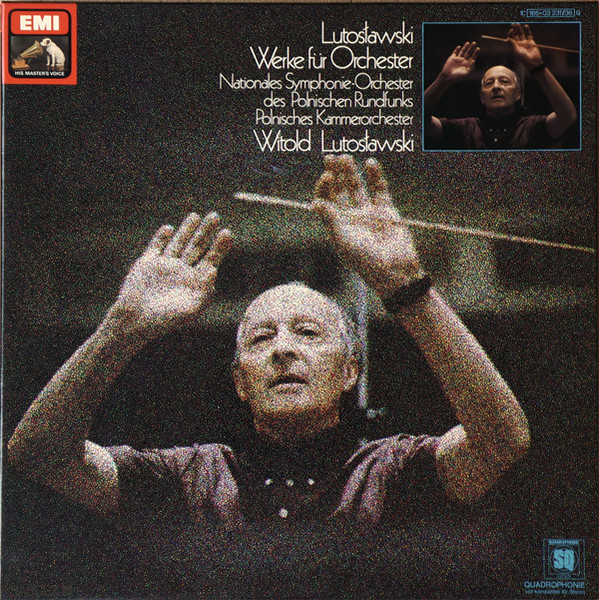
A few years later EMI Electrola Germany released an equally essential box set of Lutoslawski’s orchestral music - ground zero for Lutoslawski on record. One of my treasures…
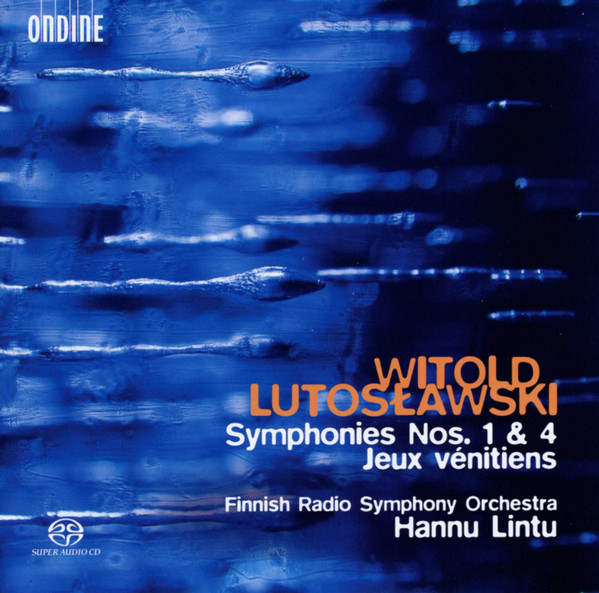
In recent years new recordings of the symphonies have emanated from Esa-Pekka Salonen on Sony, and in even better true hi-rez sound on Ondine from Hannu Lintu with the Finnish Radio Symphony Orchestra.
Angel Records, a division of EMI, initiated its own Music of Today imprint in the late 60s.
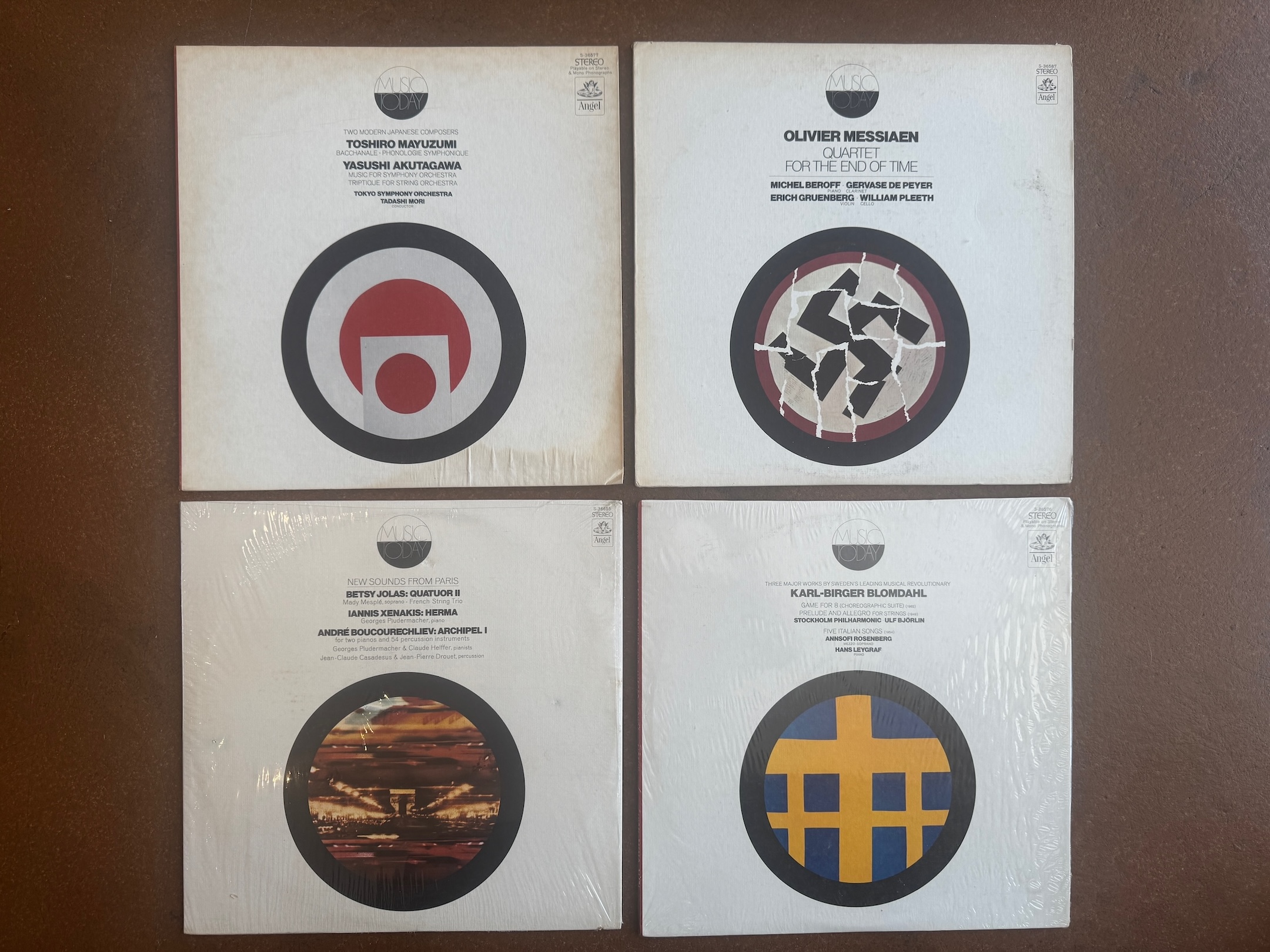
I recently listened to this Angel pressing of the Messiaen Quartet for the End of Time and it sounded excellent, giving the DG Original Source reissue of Barenboim's recording a serious run for its money.
Greg Arnold:
"All I can say about the Music Of Today series is that these are hands down the best sounding recordings you will ever hear from Angel Records. I often have wondered the same thing about Deutsche Grammophon, especially the Japanese releases, how a label could produce such perfect contemporary and avant garde recordings on great vinyl with incredible engineering and mastering and then produce almost unlistenable recordings in their mainstream releases? I guess we will never know…"
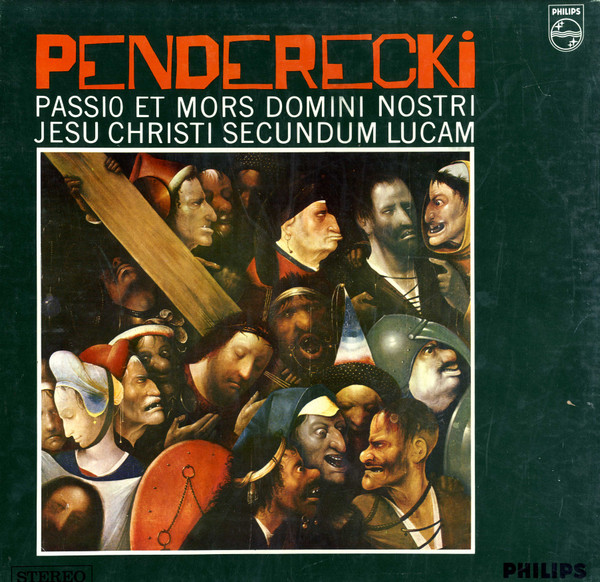
Lutoslawski’s compatriot Penderecki also featured prominently on the Philips label, and that’s where I quickly fell in love with this Polish composer’s modernist idiom. In particular this recording of his seminal St. Luke Passion remains one of the best examples of modern music finding a way to break new sonic ground yet remain accessible. An indisputable masterpiece, fully worthy to set alongside the Bach Passions (albeit a very different animal indeed) and still the best recording of it.
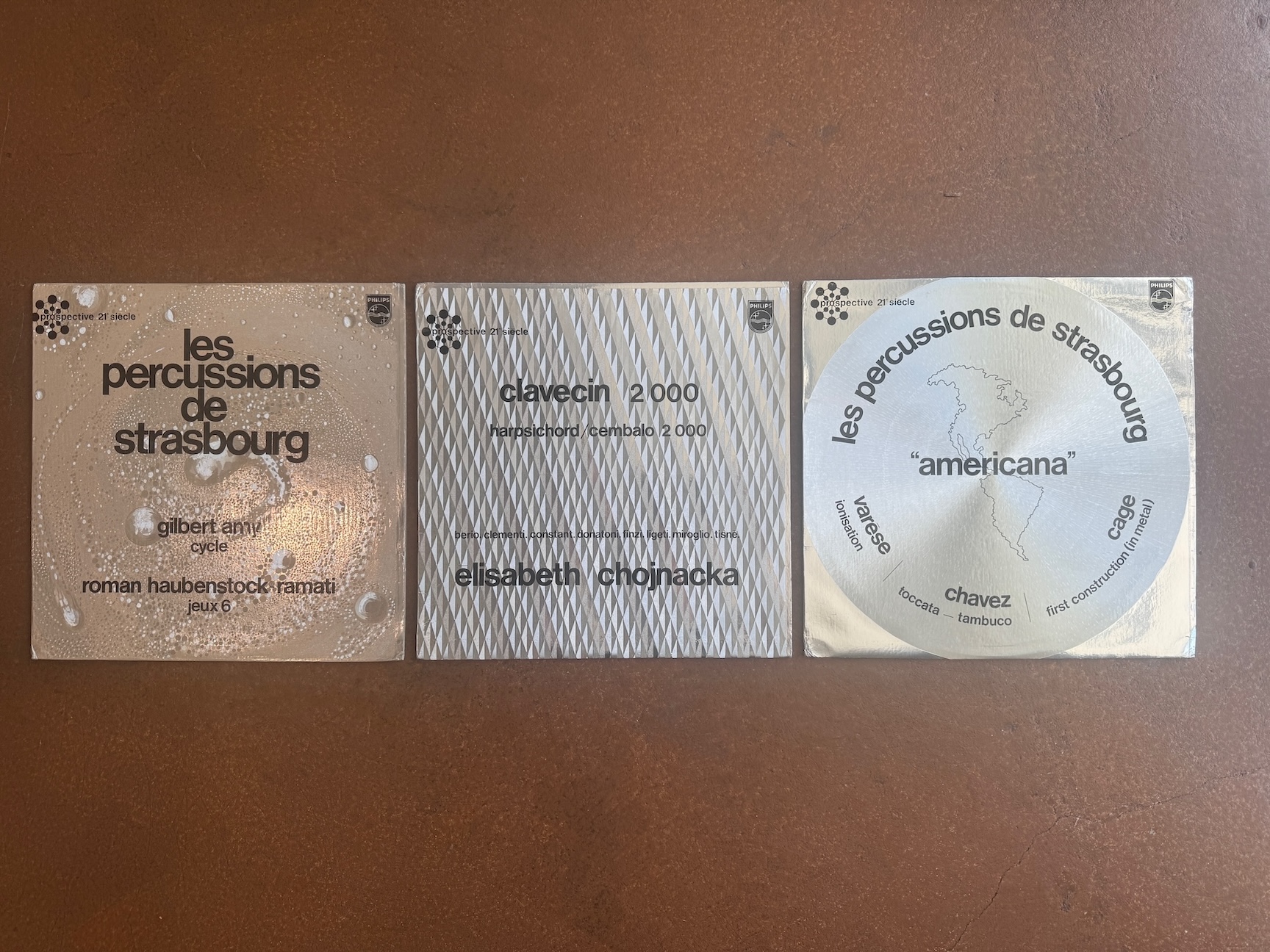
In 1970 Philips began releasing its own modern music imprint, the Prospectives 21e Siècle series.
Back to Greg Arnold:
“Known mostly for the silver lenticular covers, some of the greatest album covers ever made. I'm a huge fan of the musique concrète recordings by Pierre Henry and Pierre Schaeffer. Some of the greatest recordings in the series are the percussion recordings like Les Percussions De Strasbourg which includes Varèse, Cage, and Chaves. Absolutely stunning recordings of thunderous drums and haunting sheets of metal”.
CBS continued its exclusive contract with Stravinsky into his later serial period, and music which did not find the same kind of popularity as his earlier blockbusters nevertheless was recorded and stayed in print. Collectors should not overlook Stravinsky’s earlier mono recordings, which often have more vim, vigor and vinegar than the stereo remakes. Here is an especial favorite:
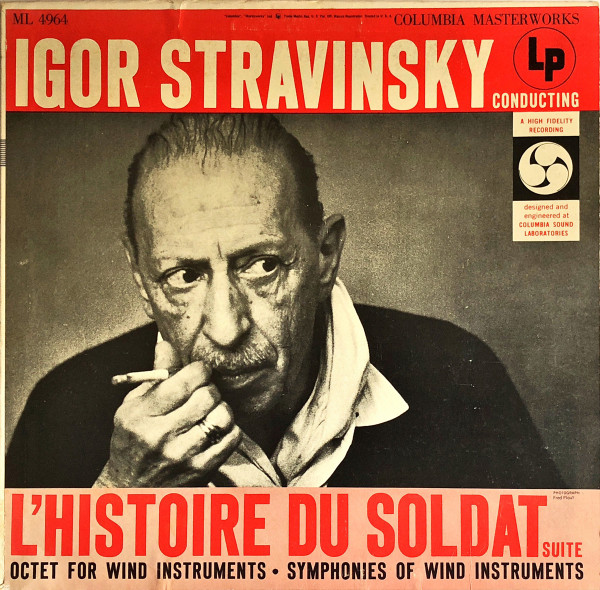
- also available in a beautifully remastered CD edition of all Stravinsky's Mono recordings...
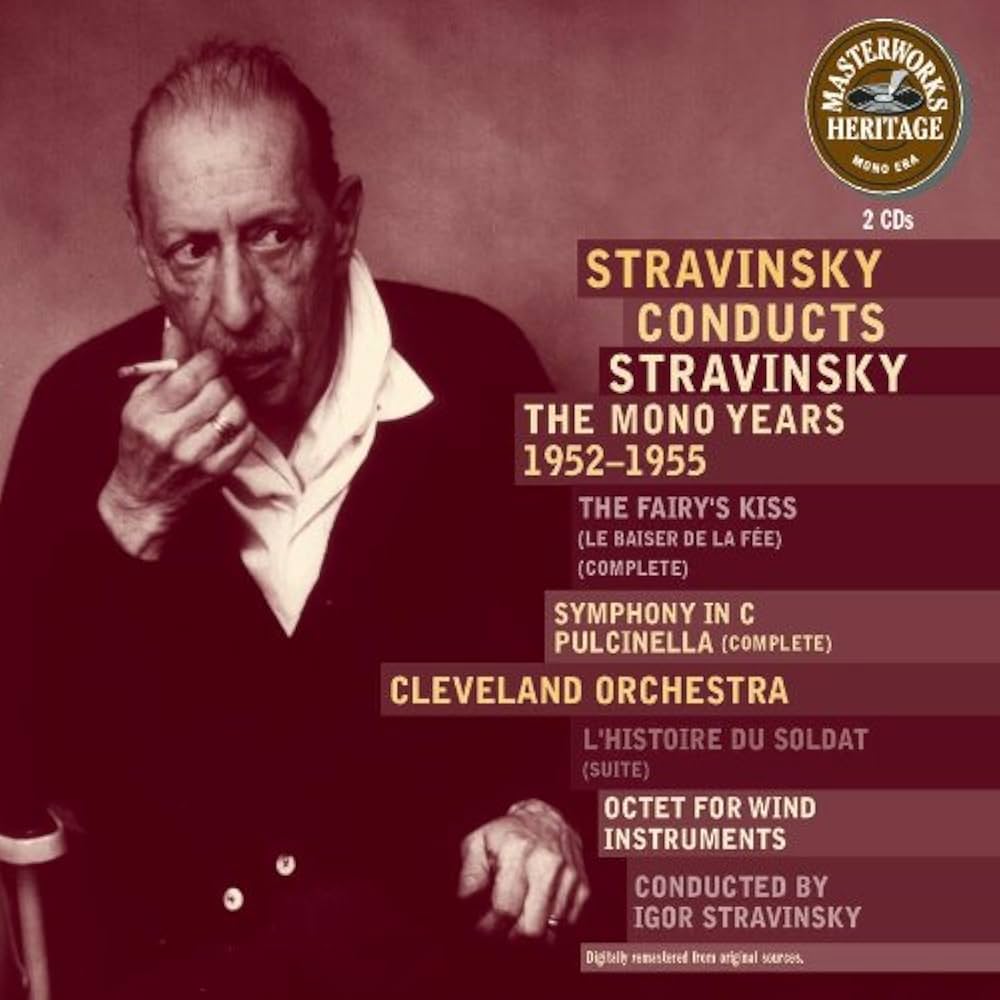
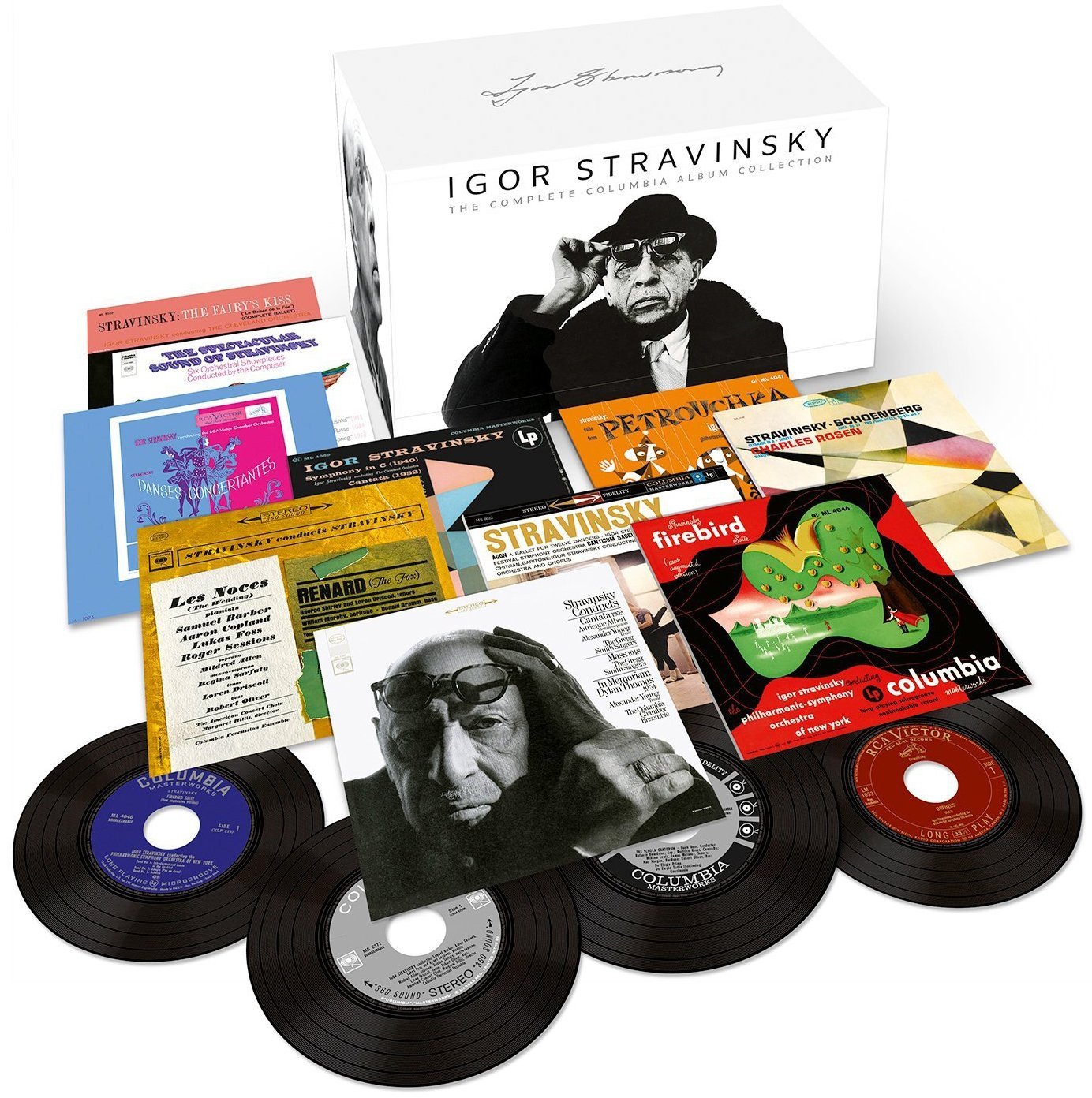
... and of course in the Big Complete Stravinsky Columbia CD Box:
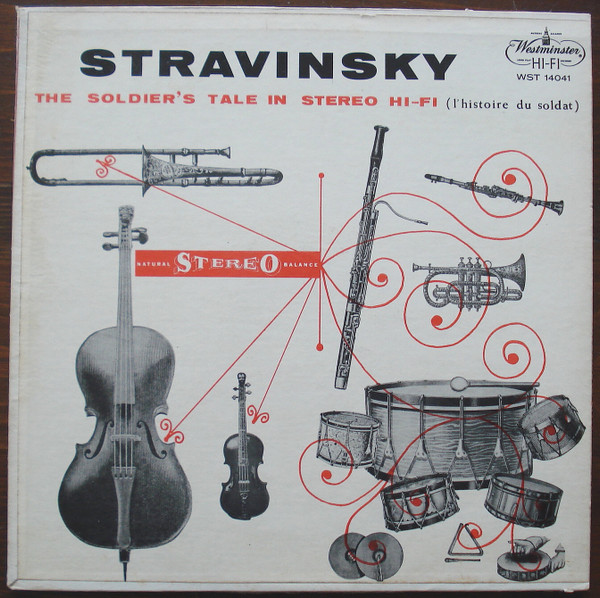
Sidebar: L’Histoire du Soldat is one of my favorite Stravinsky works. I recently discovered (via my informal audiophile listening group here in LA) a truly amazing, definitely audiophile recording of this on the hallowed Westminster label. Very hard to find the Stereo version - which is the one you want - but walking into Counterpoint in Los Feliz recently yielded a Near Mint copy for $20!!! It is now one of my treasures!
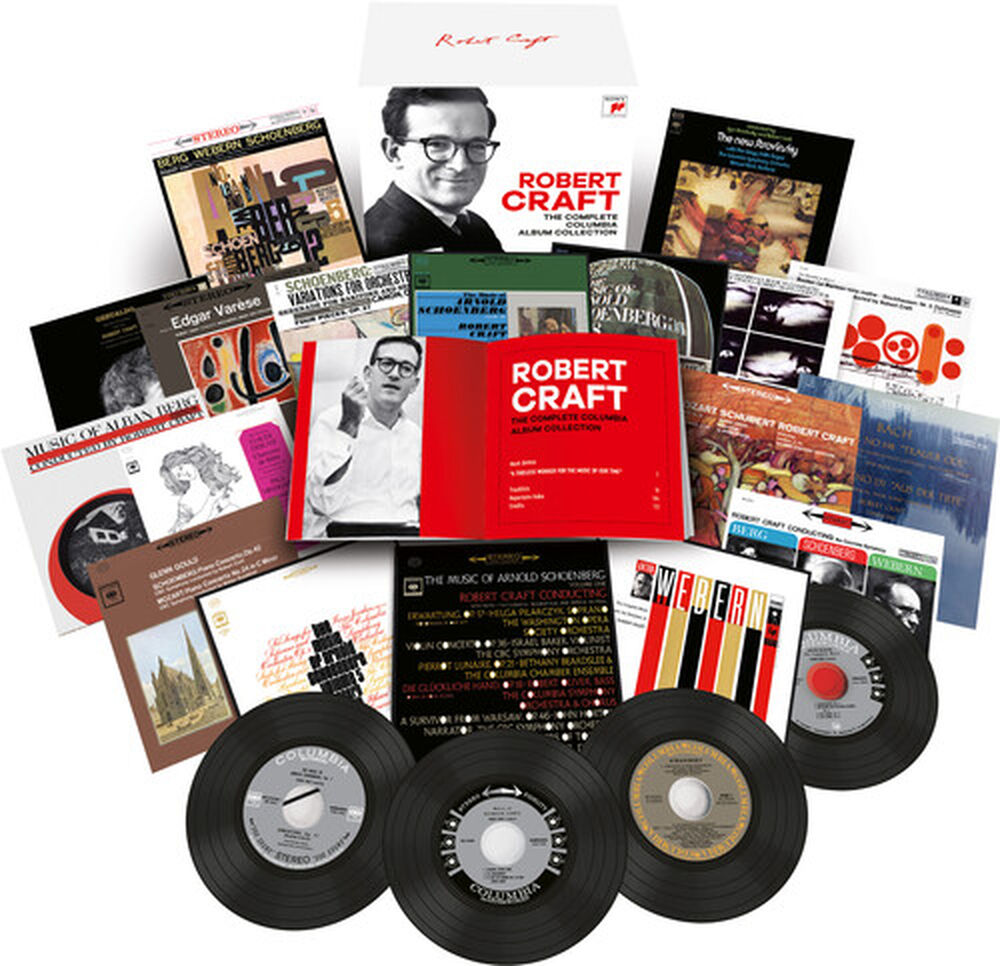
Through his connection with Stravinsky, Robert Craft began a years-long association with CBS, recording not only works from the Second Viennese School and its successors that no-one else would touch, but also, of all things, early music that was barely known at the time. These have all been gathered up into a beautifully remastered CD box that I have been diving into of late with enormous pleasure. Very interesting to hear the American take on the early music repertoire during this period.
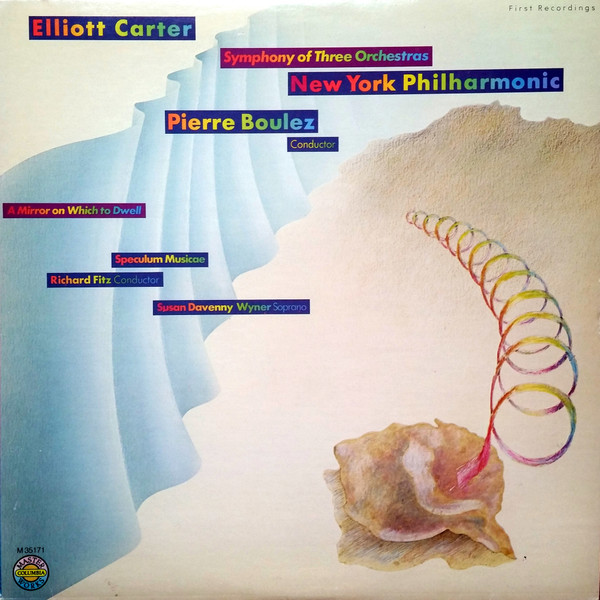
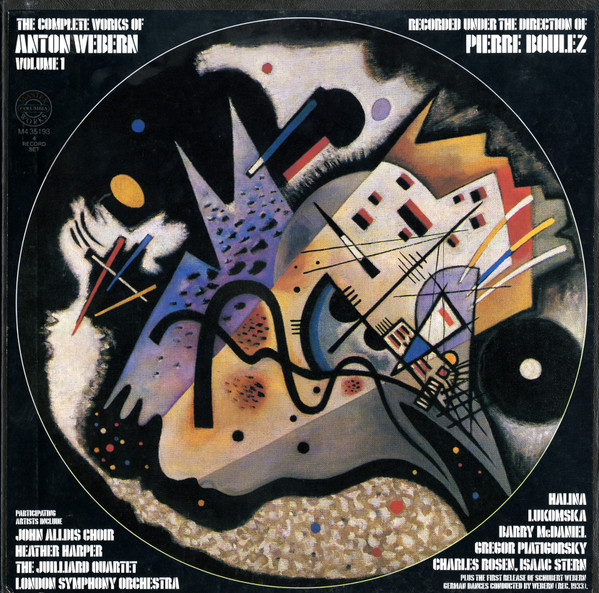
When Sony signed up arch avant-gardist Pierre Boulez, who in the 1960s and into the 70s was developing his conducting career in earnest, it meant that recordings of seriously modern music were on the horizon. Alongside his best-selling albums of Stravinsky, Bartok, Ravel and Debussy, Boulez secured a commitment to record all the music of Webern, most of the music of Schoenberg, plus certain key works by Boulez himself. This meant that all these important avant-garde and modernist works entered and stayed in the mainstream record catalogue.
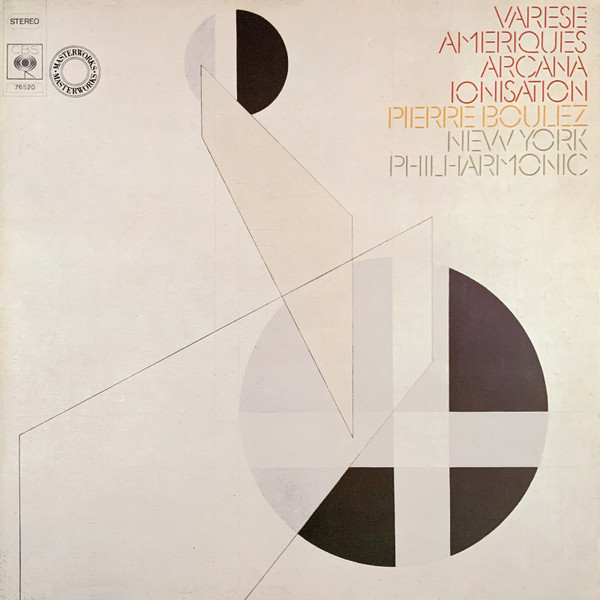 UK Pressing
CBS also made seminal recordings of Harry Partch, who was slowly amassing an impressive array of his own specially designed and built instruments.
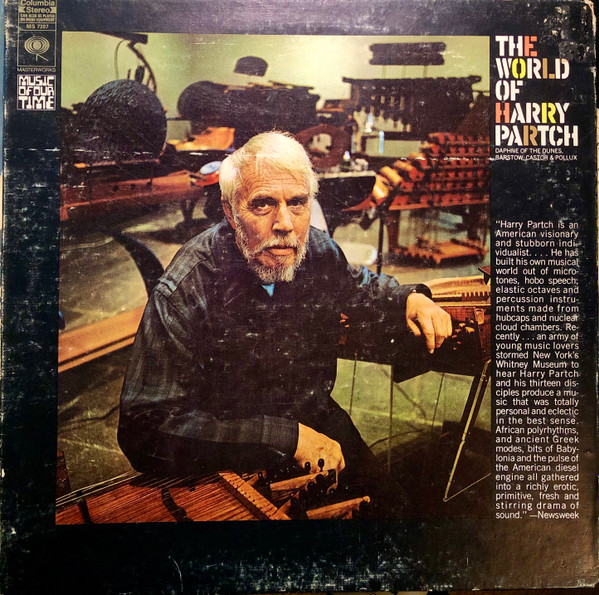
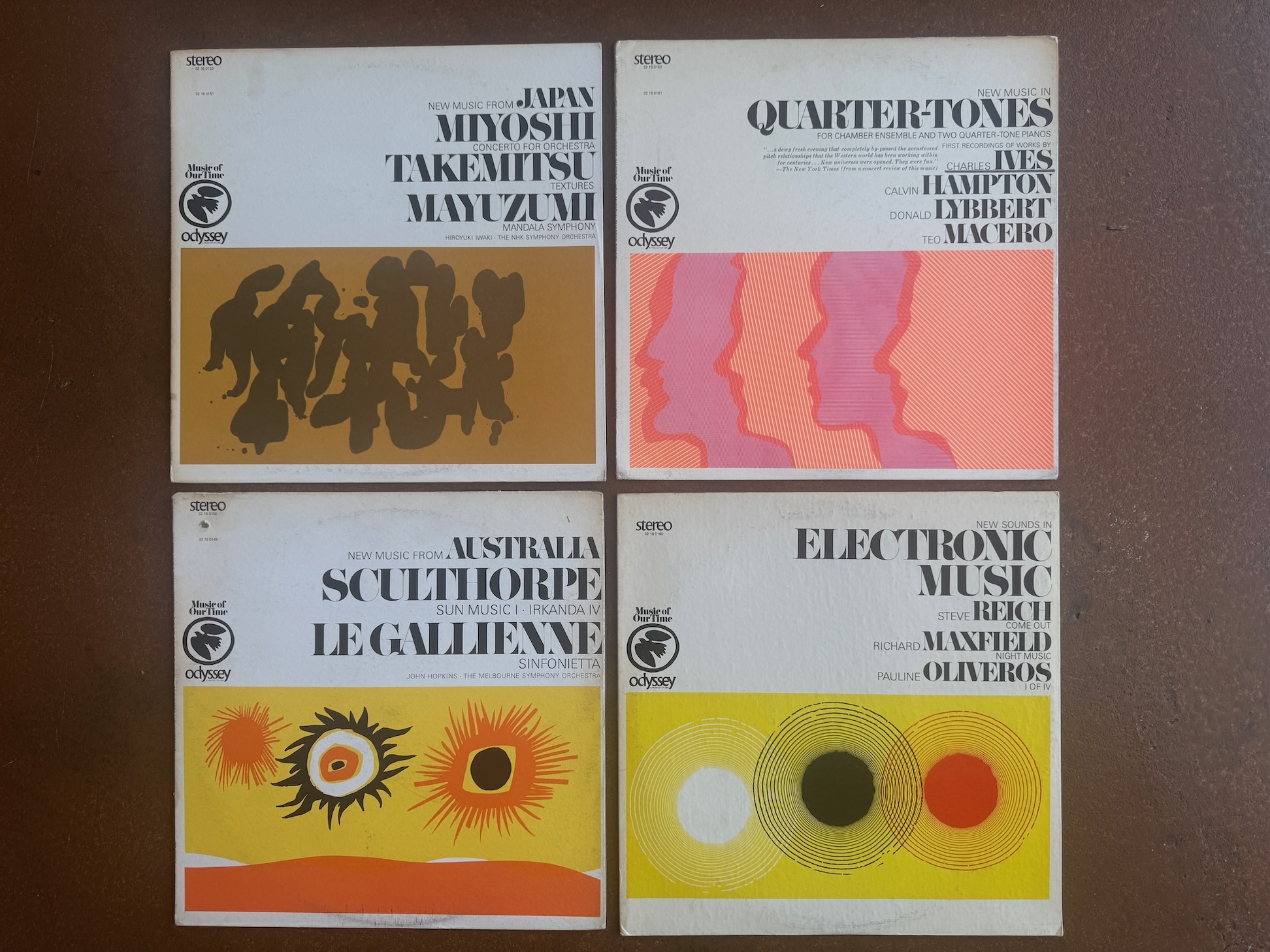
This was labeled Music of our Time, which also appeared on the Odyssey sub-label:
Of the major record companies of the period, that leaves Deutsche Grammophon in Europe, and in many ways this was the company that over the decades maintained the strongest commitment amongst the majors to recording new music - albeit in smaller doses than many would have desired.
By way of prologue to my reviews of the new Avant-garde releases on vinyl, superbly remastered in the Original Source manner by Emil Berliner Studios, let's get an overview of the Yellow Label’s history with modern and avant-garde music, thereby providing historical and cultural context to these important recordings.
Modernism and the Yellow Label
DG always had a commitment to new music, but until the 1950s it tended to be music of the more conventional tonal kind. You will find Bartok and Stravinsky, for example, in the catalogue of one of DG’s most important conductors of the mono and early stereo eras, Ferenc Fricsay, alongside the lesser-known Boris Blacher, Gottfried von Einem, Werner Egk, as well as Hans Werner Henze.
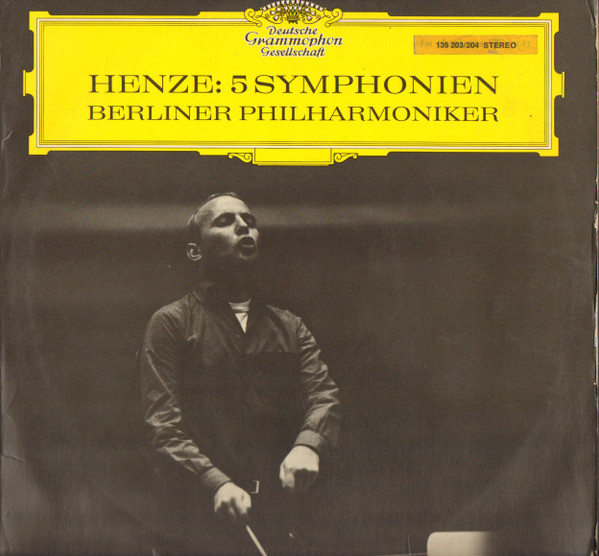
It was as Henze was emerging as the friendlier side of modernism in the 1960s that DG began its full bore commitment to recording his music, akin to Decca’s even more full-throated support of Benjamin Britten. After a few shorter outings (including Fricsay’s) DG released the five symphonies with the composer conducting the Berlin Philharmonic in 1965 - luxury casting indeed. This is well worth picking up, especially if you can track down an early large tulip pressing.
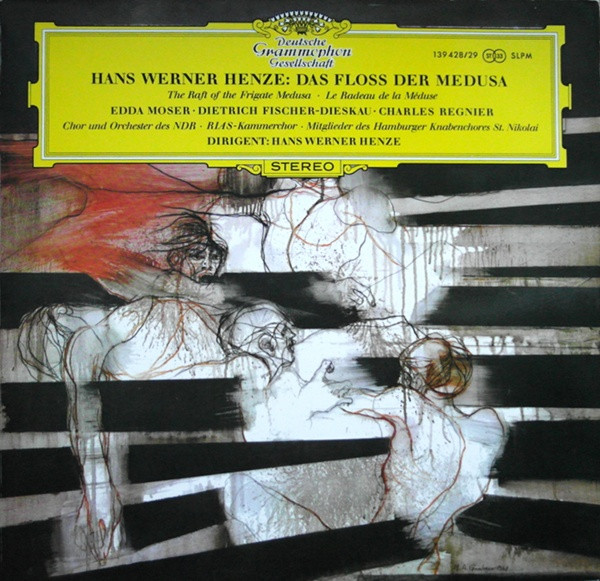
A range of recordings followed, all featuring DG A-listers like Dietrich Fisher-Dieskau….
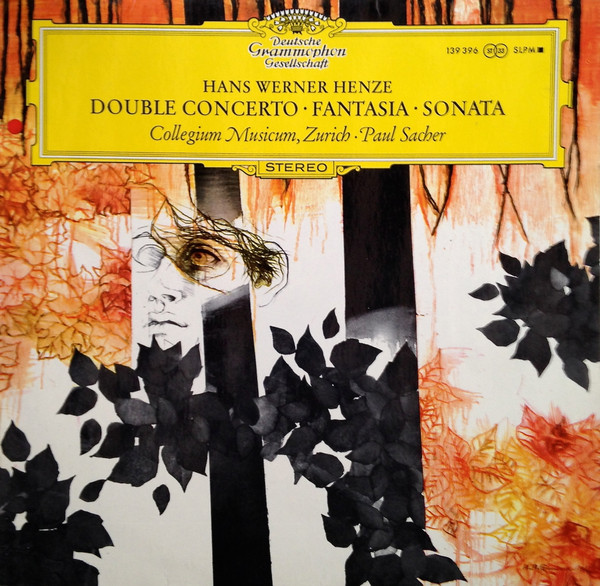
There’s a wonderful record from Paul Sacher and the Collegium Musicum, Zurich…
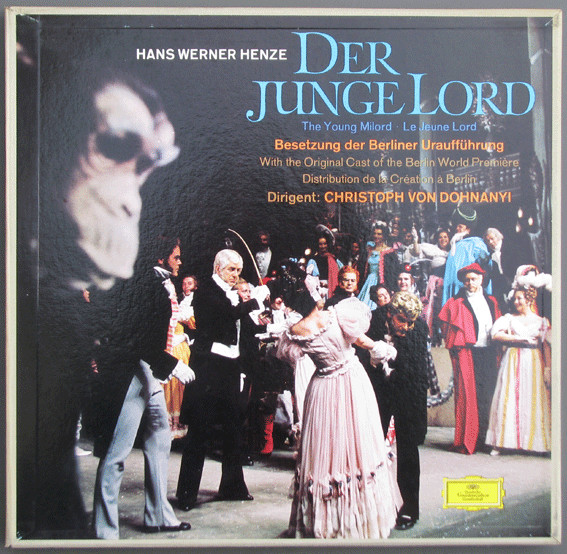
Christoph von Dohnanyi was at the dawn of his recording career when he committed Henze’s opera to disc in 1968.
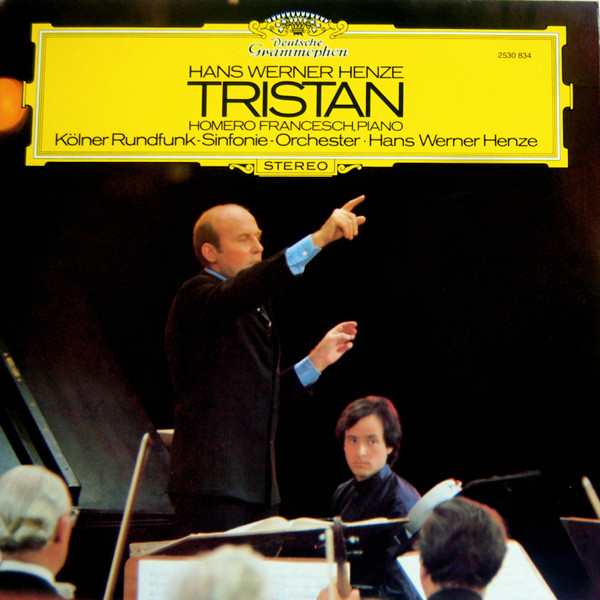
One of my favorite Henze compositions is Tristan, and despite a newer version from firebrand pianist Igor Levit (available on vinyl) this remains my favorite recording. This particular work’s blend of many modernist stylistic traits shows Henze’s eclecticism at its best, and along with the Symphonies and Paul Sacher’s record, is my recommended entry point for this composer.
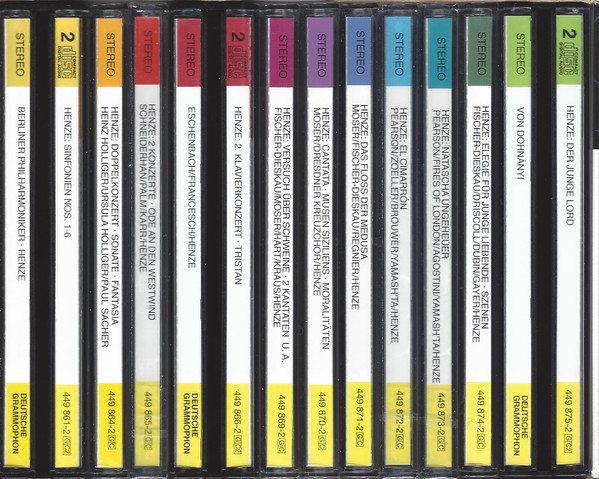
In the heyday of CD reissues, DG produced this exemplary 14-CD box of all their Henze recordings, since reissued in a single box but without all the invaluable documentation that comes with the single CDs.
At the same time as DG was paying court to Henze, it was also busy documenting the output of one of the leading lights of the avant-garde, who also happened to be German - Karlheinz Stockhausen. Along with Luigo Nono and Pierre Boulez, Stockhausen was very busy molding the new generation of composers through his lectures at the Darmstadt Summer School. Along with that record of Kontakte I alluded to earlier, here’s a sampling of some of the seminal Stockhausen recordings in the DG catalogue:
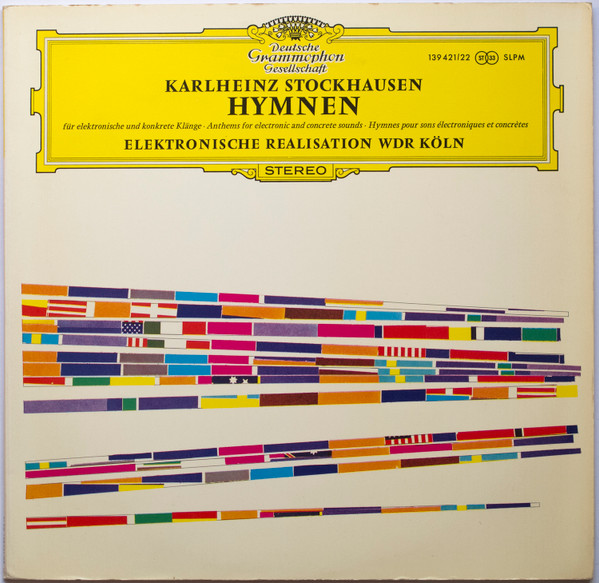
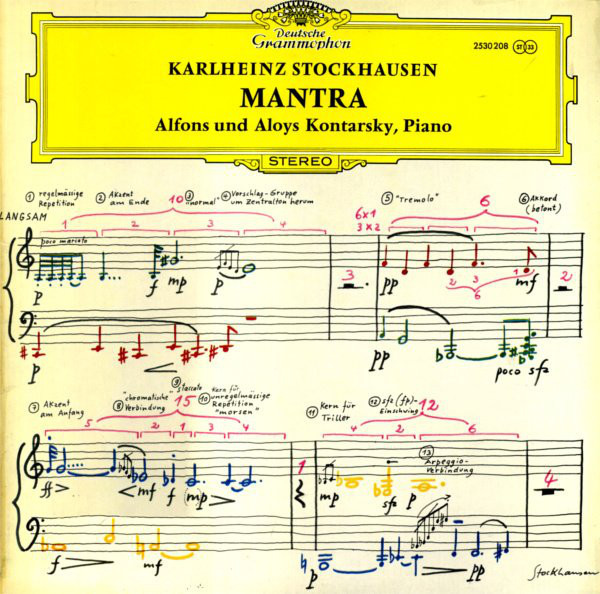
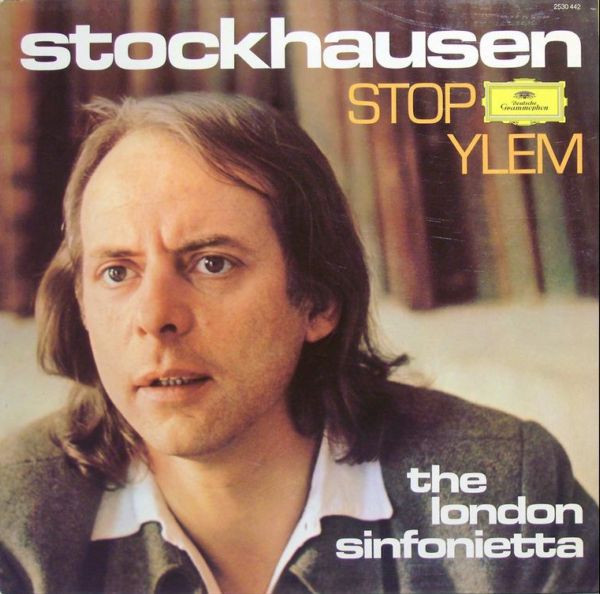
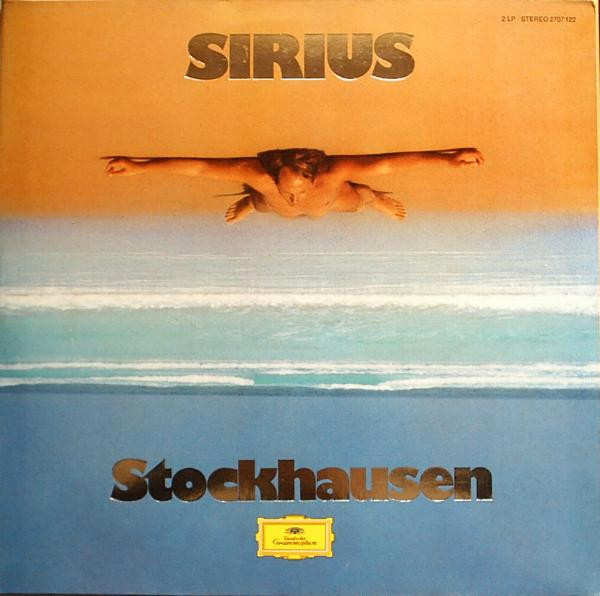
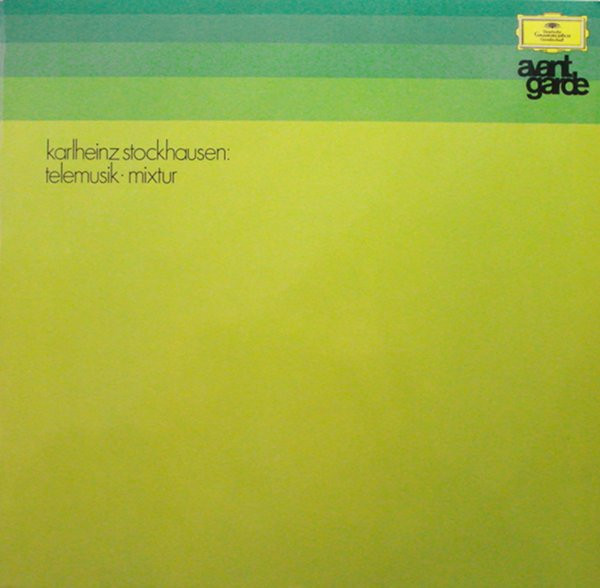
Now, unfortunately, the rights to these recordings have reverted to the Stockhausen Estate, so none of these are available for reissue in this new Avant-garde vinyl series.
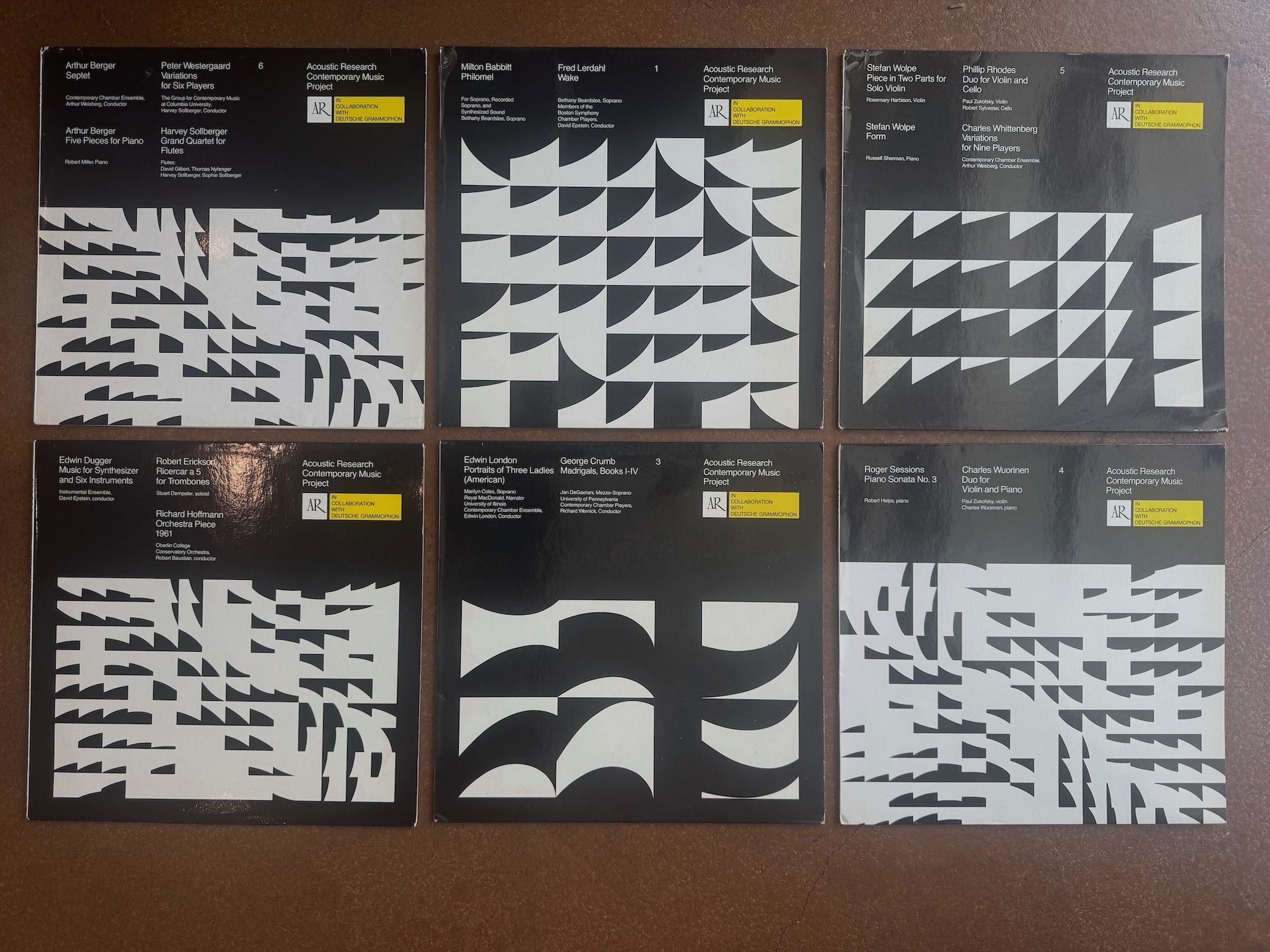
In 1970, when DG was in the midst of releasing its Avant-garde series, it partnered with Acoustic Research, the legendary loudspeaker company out of Cambridge, Massachusetts, to commission a six album series of avant-garde recordings. They were engineered by the great Marc Aubort, whom I mentioned earlier in connection with his work for Nonesuch, and specifically for the Nonesuch Contemporary series. As Greg Arnold, cited above, states: “These recordings are sonically superior to anything else put out on DG at the time”.
I have yet to hear one of these - I may need to pay a visit to Greg’s store!
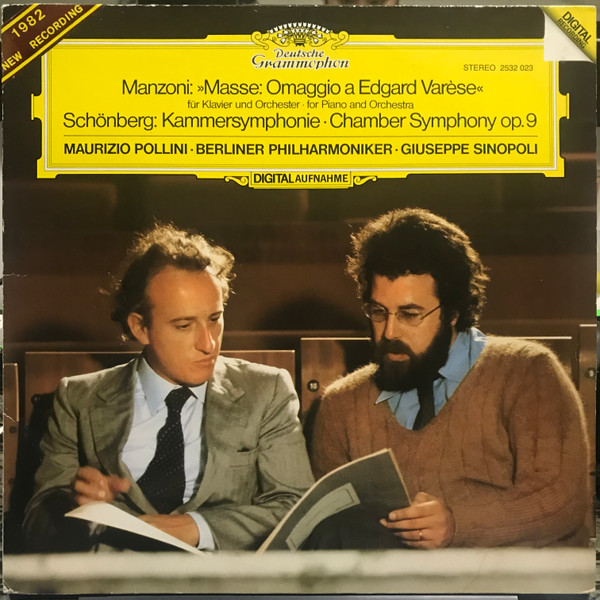
Apart from its dedicated Avant-garde series, DG tended to record composers like Luigi Nono and Giacomo Manzoni when a particular favored artist wanted to do so.
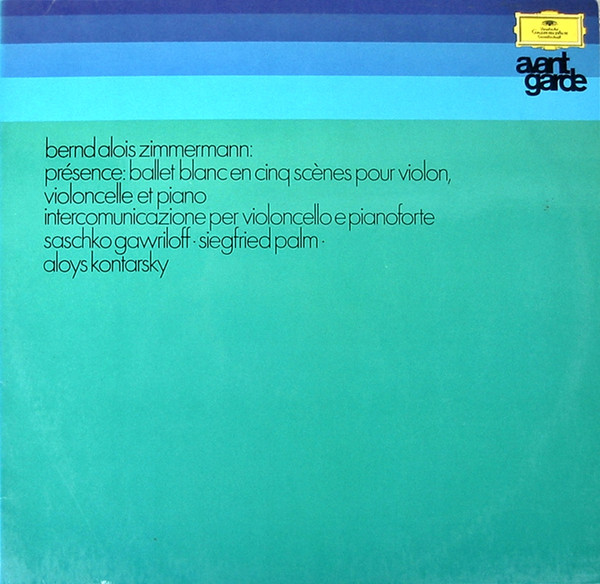
‘Cellist Siegfried Palm has a real in-your-face recital of avant-garde works dating from 1975. I have a nice Japanese pressing of this:
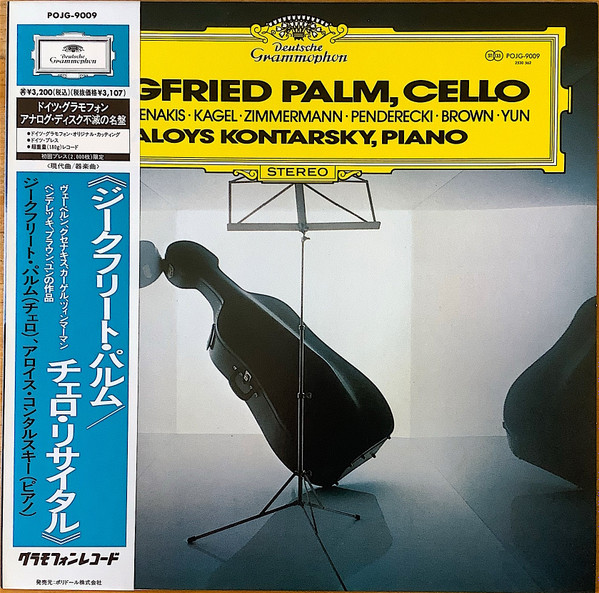
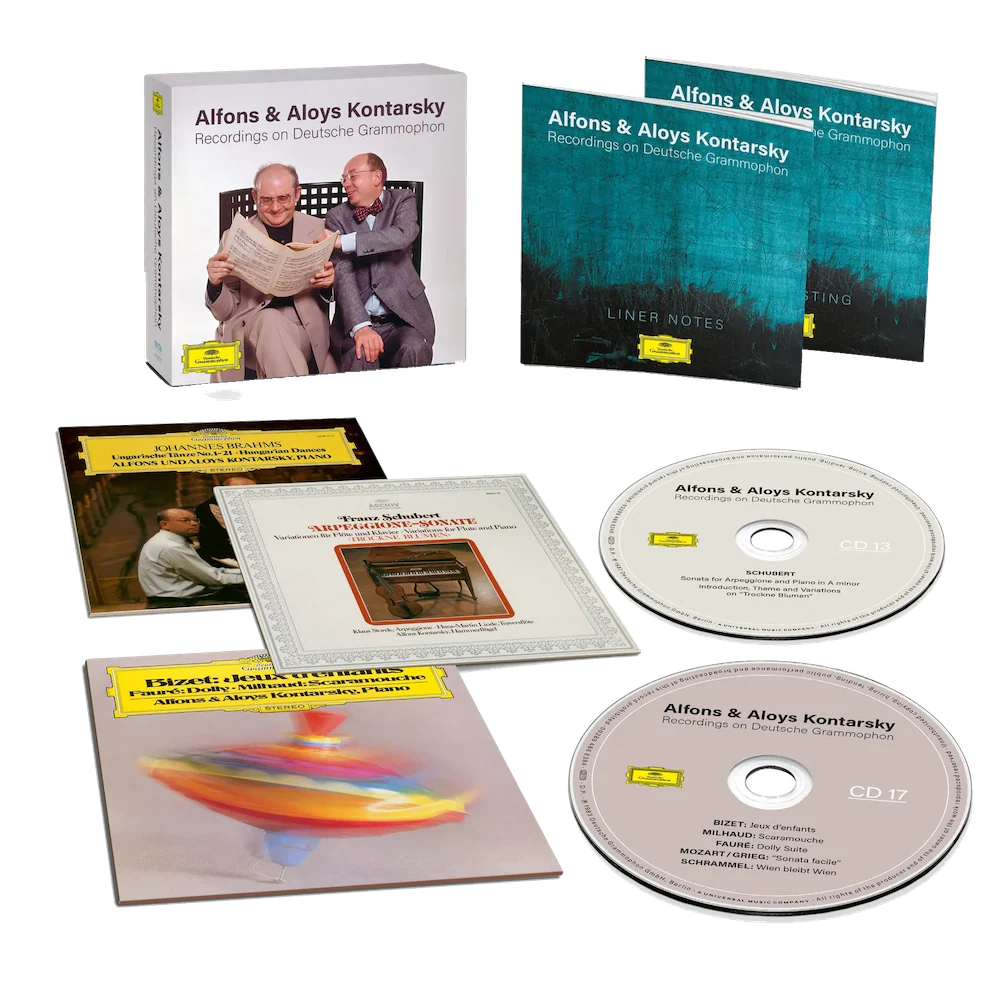
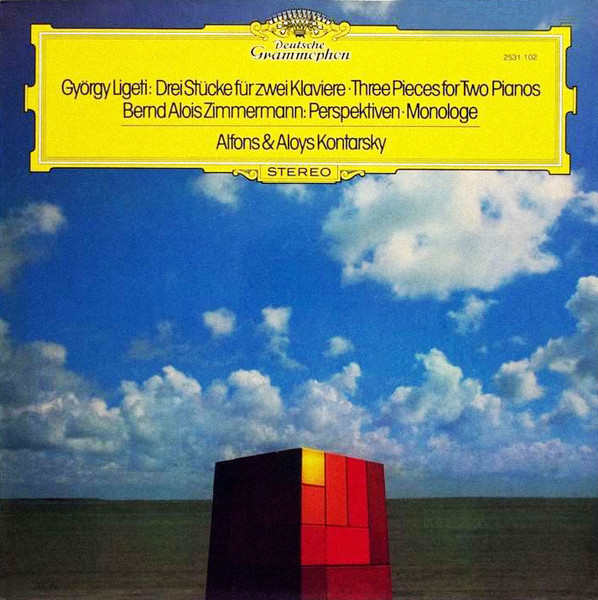
Palm worked with the Kontarsky Brothers piano duet, who recorded several outstanding albums of modern music for DG...
... all featured in the essential new Eloquence box set that I plan to review shortly. The Kontarskys are one of the greatest of all piano duos, and these are all benchmark recordings.
The DG Avant-Garde Series
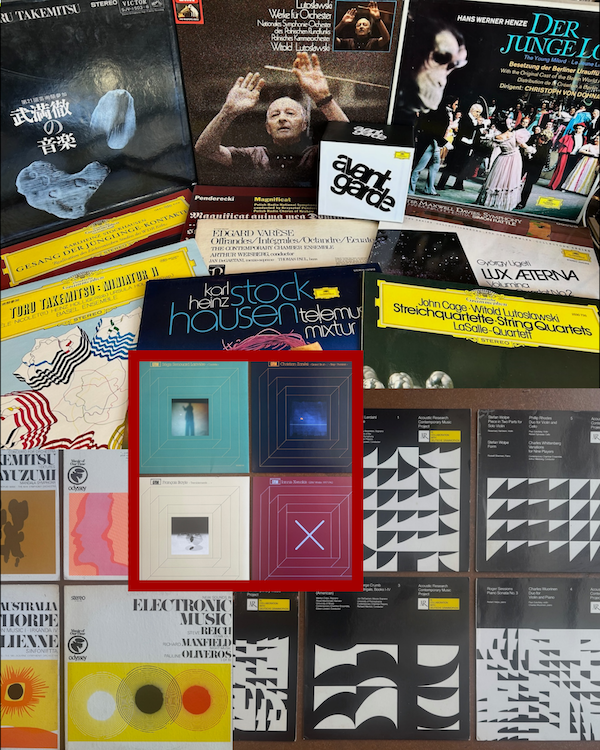
But it was with the “Avant-garde” series of albums, which debuted in 1968, that DG made its major statement of intent, quite unlike anything else in the marketplace, before or since. It showed that this difficult modern music was important enough to warrant a major label putting a lot of money into documenting it, presenting it in a unique and appealing way, and keeping it in the catalogue. Records were released in four box sets, and individually, between 1968 and 1971.
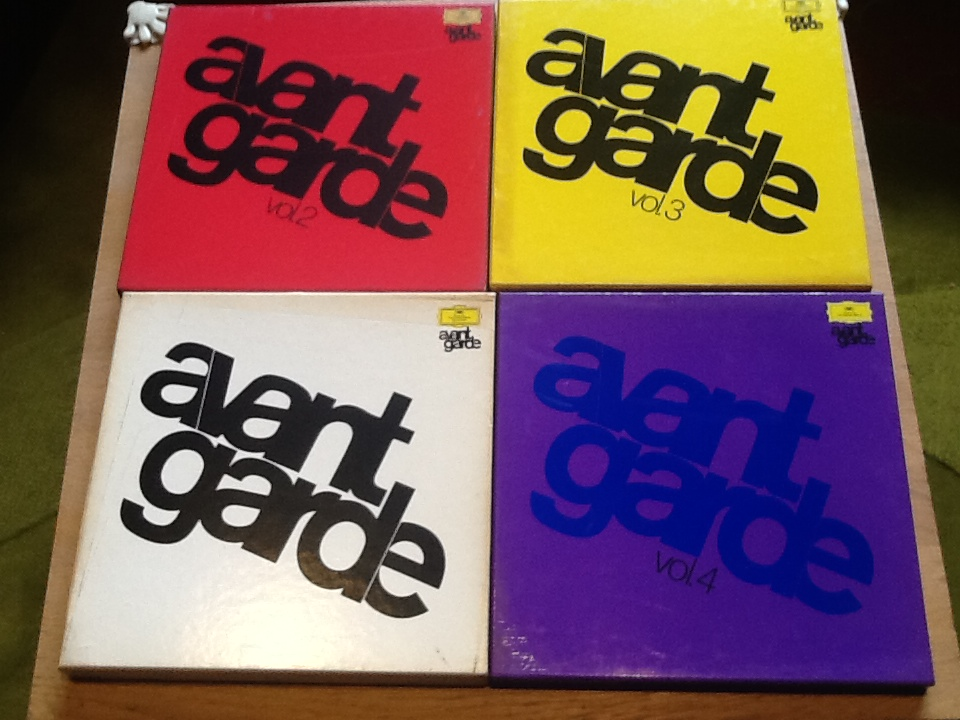
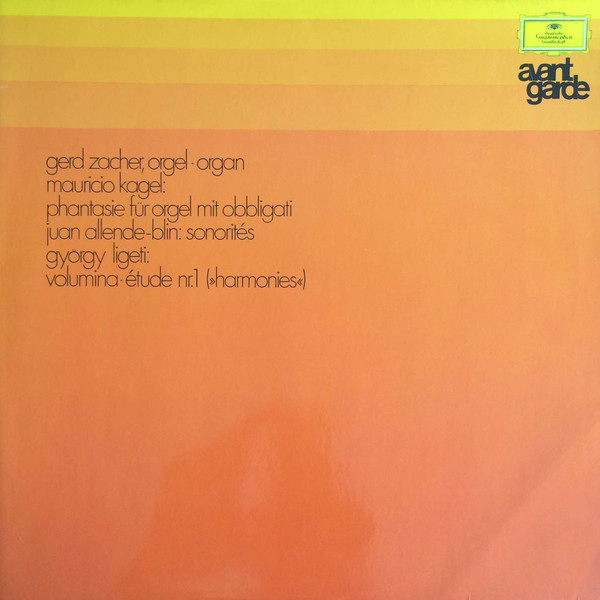
The renowned graphic designer Holger Matthies - who quickly became a regular DG cover designer - came up with the series’ iconic look. With the earlier releases this was based around a series of horizontal stripes of different widths and in different but co-ordinated color schemes...
For the later releases a circular design based on an LP (but with other graphic elements too) was used - a design that I think is less successful, but is still eye-catching...
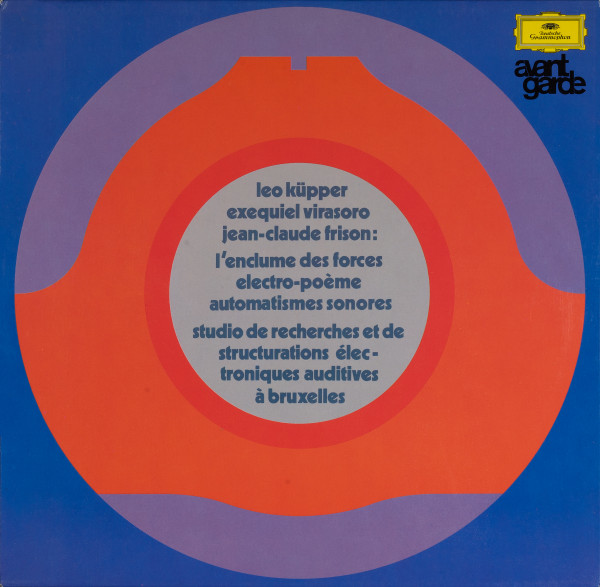
The visual design really pops, and even today catching a glimpse of these iconic covers in the used bins will send a rush of “I want it” energy to collectors who would not normally even consider buying this stuff. Just compare the look of these records with the more utilitarian designs for most dedicated avant-garde records on other labels. The DG design communicates cool contemporary significance, with a tinge of bespoke luxury: this is an object, and content, you want to have on your shelves to tell people you are both smart and with it. Genius design.
The “avant garde” logo itself is iconic, and I am very happy that in the redesign of the packaging for these vinyl reissues that fact has been acknowledged in the use of wraparound die-cut sleeves outlining the contours of that logo - but be careful not to catch edges when taking in and out of the heavy-duty clear outer sleeves. (You can even buy a T-shirt if you want to boast of your avant-garde credentials!)

I remember a time when you could pick up originals of these LPs for not too much money. No longer. There is a real niche market for these records, and it has pushed up prices. I have only ever seen one of the original box sets in the wild.
When DG did its CD box set of the series a few years ago, it sold out quickly. Maybe a repress is in order. That CD box carried over the original design in a very nice way, with all discs in original jacket sleeves.
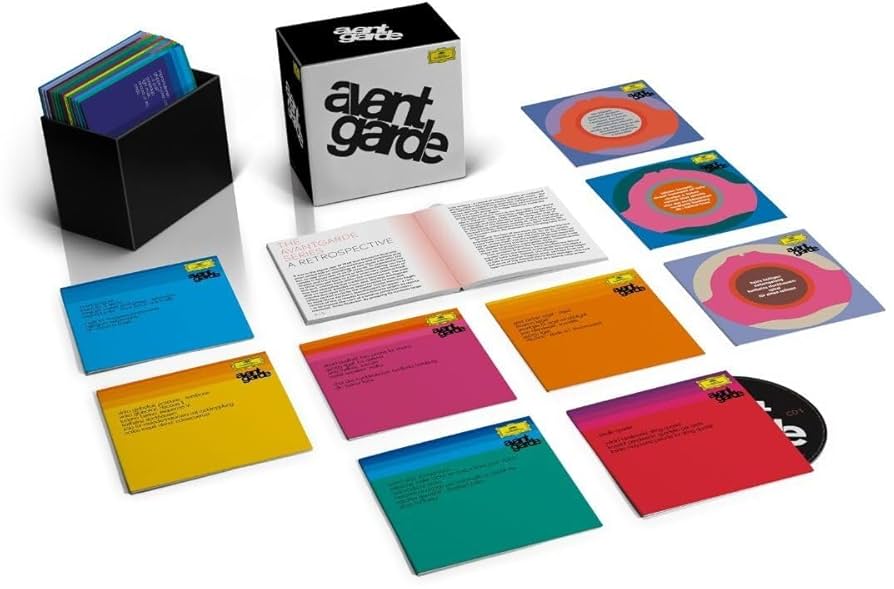
The repertoire covered in the Avant-garde series is determinedly Eurocentric, with a strong showing for Ligeti and Lutoslawski, Stockhausen, Berio et al, but no Pierre Boulez (who had his own contracts with Erato and then CBS at this time). There’s a nod to the US with some John Cage and Lukas Foss, while England is represented by David Bedford of all people, now better known for his work in the pop music field. (None of the British artists recorded for Argo’s Gulbenkian series make the cut). If one looks at the catalogue, it’s a revealing snapshot of what people considered to be the most important avant-garde music at the time, rather than what is considered important now. Some of these works and composers do not stand up so well today.
Outside of the Avant-garde series, DG continued with its commitment to new music, as evidenced by the Kagel and Takemitsu records in the current batch of releases.
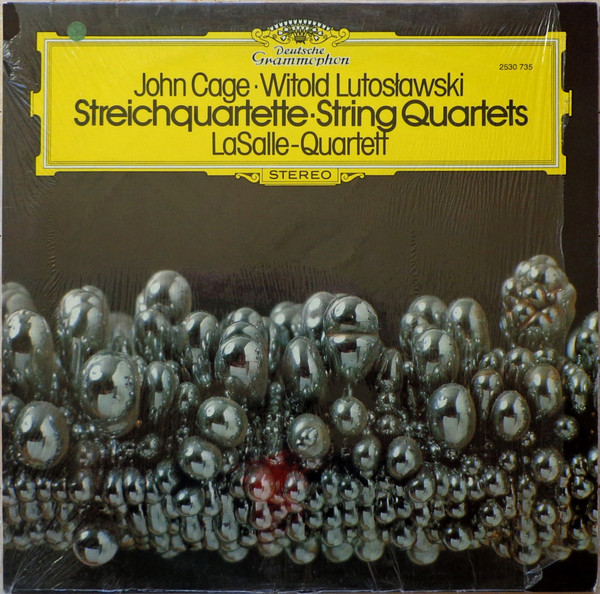
Sometimes a work originally released within the Avant-garde series got a new coupling, as was the case with this pairing of Lutoslawski and Cage string quartets.
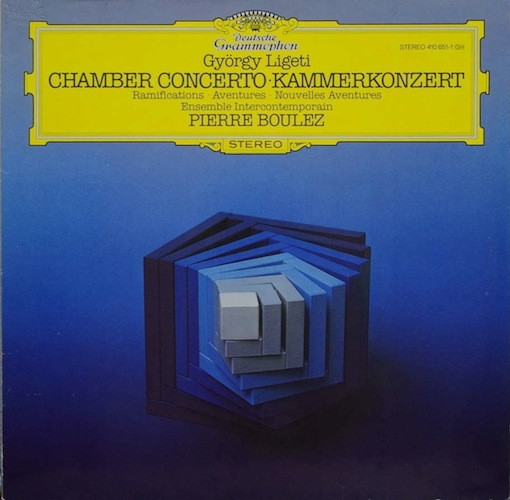
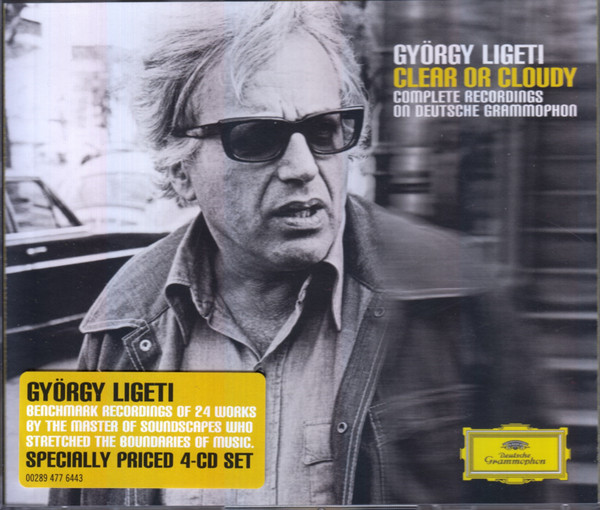
Ligeti continued to be championed beyond the Avant-garde series with several milestone releases.
In the CD era all the Ligeti DG recordings were gathered up into an essential box…
… a worthy supplement to Teldec’s superb Ligeti Project of five newly recorded CDs.
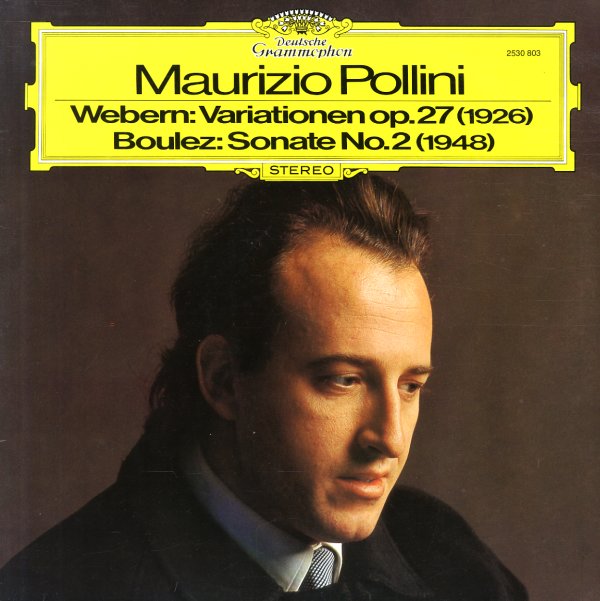
As for Pierre Boulez’s music, it was worth the wait when one of DG’s “house pianists”, Maurizio Pollini, released this firebrand performance of the Second Piano Sonata in 1978.
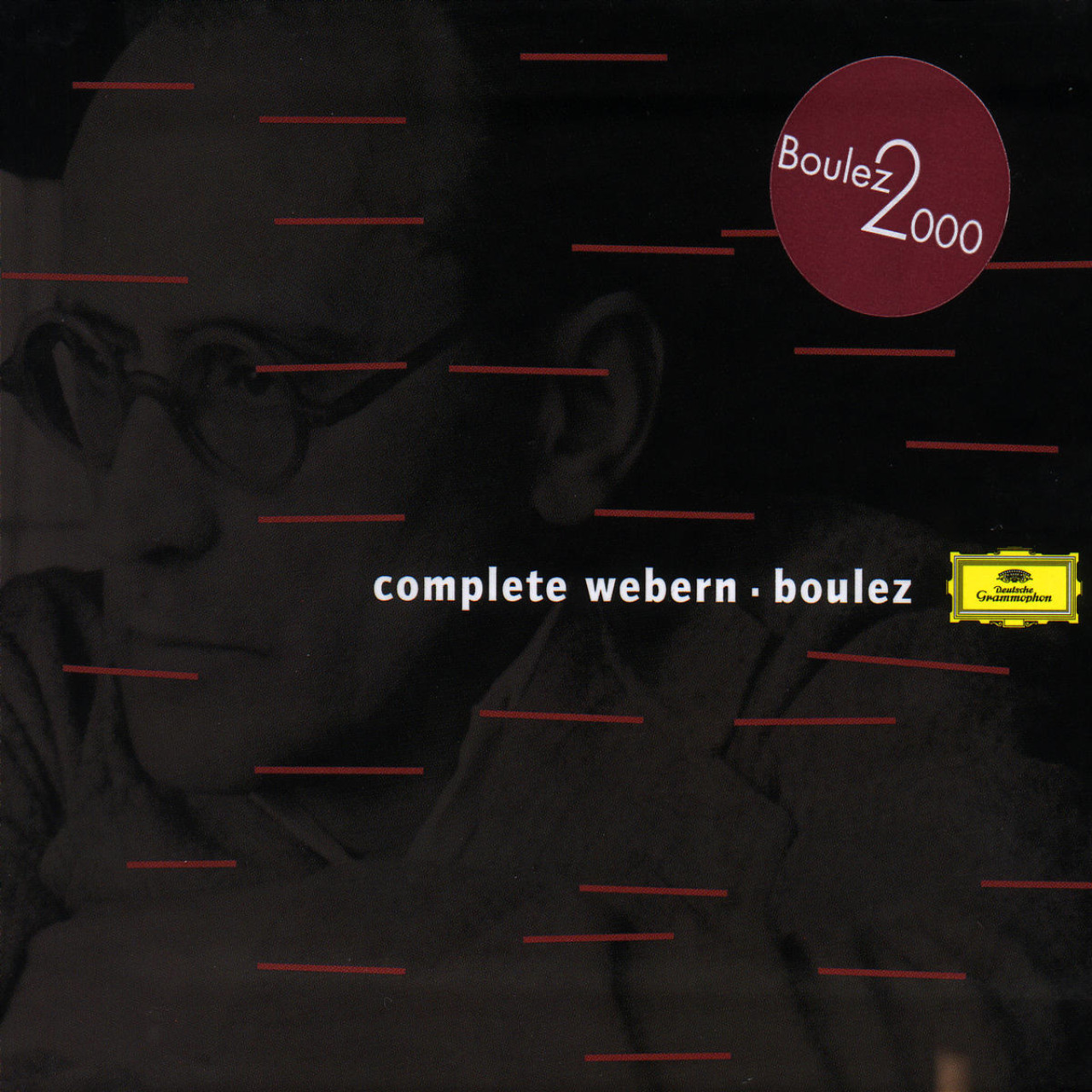
Boulez himself continued an extensive recording schedule with DG, that included an updated survey of all the Webern works, even more complete than his CBS survey…
… re-recordings and new recordings of his own works…
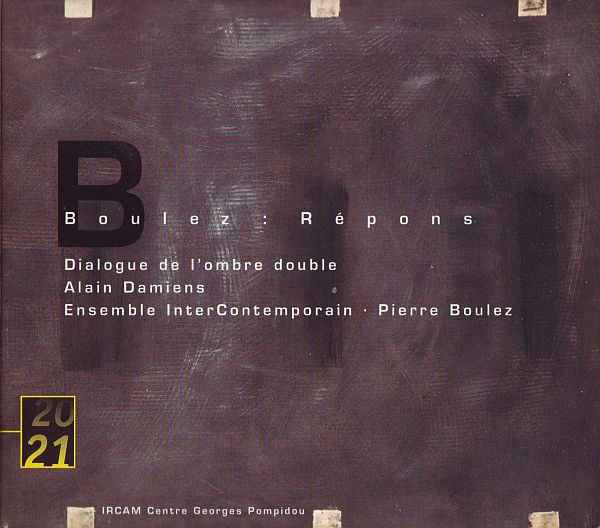
… plus some fine one-offs of other avant-garde composers.
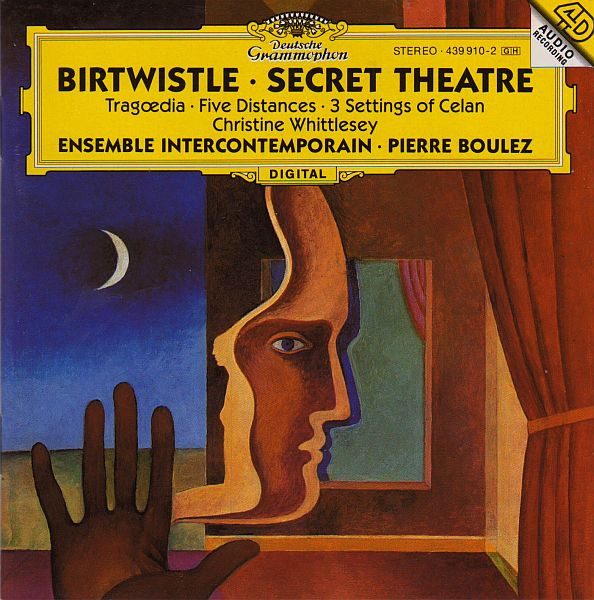
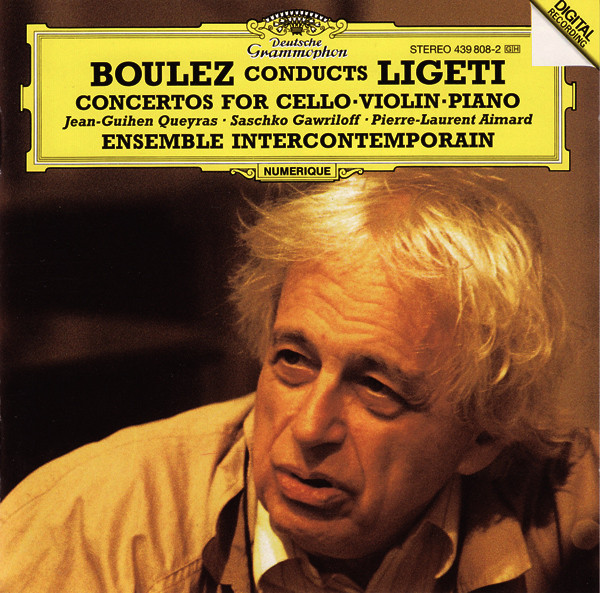
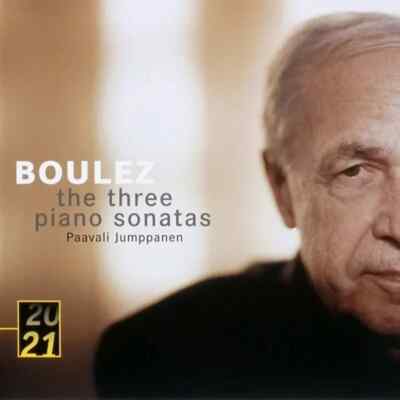
Boulez’s own piano sonatas finally got a new “complete” recording:
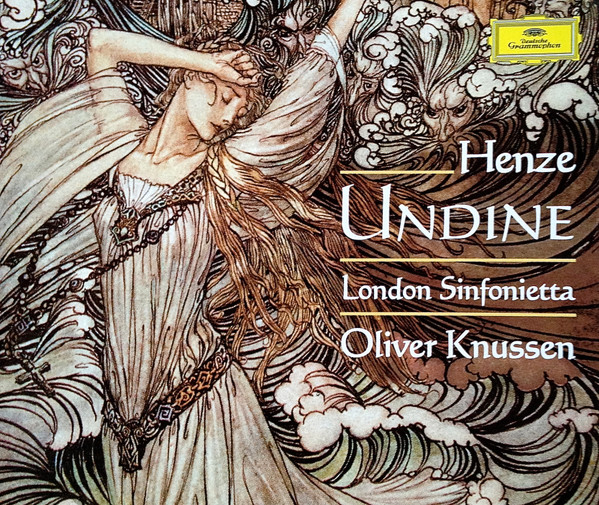
The mid-90s also saw the arrival of Oliver Knussen at the Yellow Label. Himself a key figure in the British avant-garde scene, he released one essential disc after another as conductor. I will especially mention these:
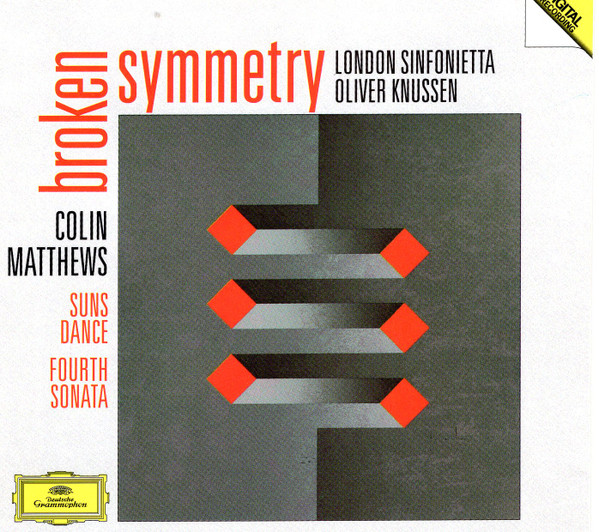
Anyone unfamiliar with Colin Matthews should check this one out - it’s a real sledgehammer of a disc! Colin’s brother David is also a prominent composer in the British modern music scene, and together they founded the important new music label NMC, active since 1988, boasting an incredible catalogue. I strongly recommend investigating not only this label, but also the many discs devoted to David’s music, especially his symphonies. I interviewed both of them back in the early 1980s when they were doing orchestrating work for film composer Carl Davis.
DG stalwarts like Gidon Kremer and Anne-Sophie Mutter continued with their commitment to new music…
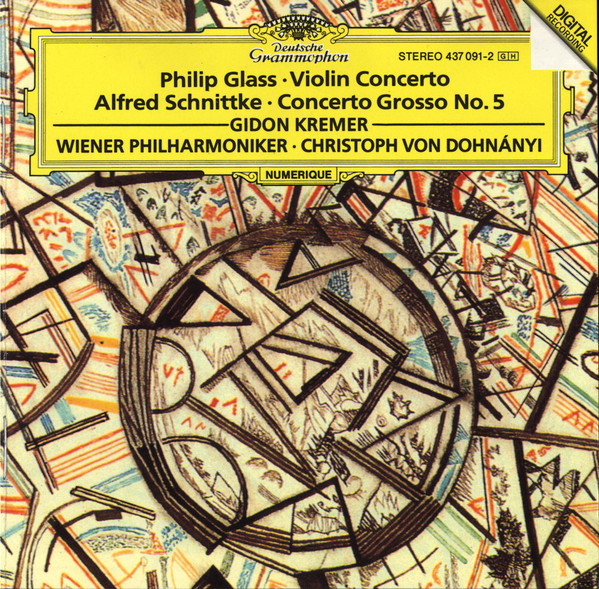
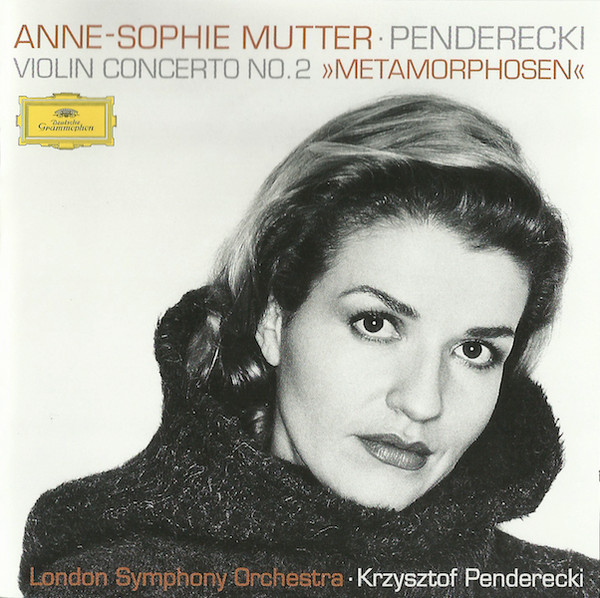
DG’s successor to the vinyl era’s Avant-garde series was the superb 20/21 series that debuted in the late 1990s, continuing into the 2010s. Beginning with a formidable boxed set of all of Luciano Berio’s Sequenza compositions for solo instruments, this series now feels like the last hurrah of true catalogue adventurism by the classical majors. Seminal recordings of Boulez, Carter, Takemitsu, Messiaen, Knussen, Eotvos, Schnittke are just a small sampling of the treasures enshrined in this series, all with extensive and first-rate liner notes. Several of these have already been pictured above.
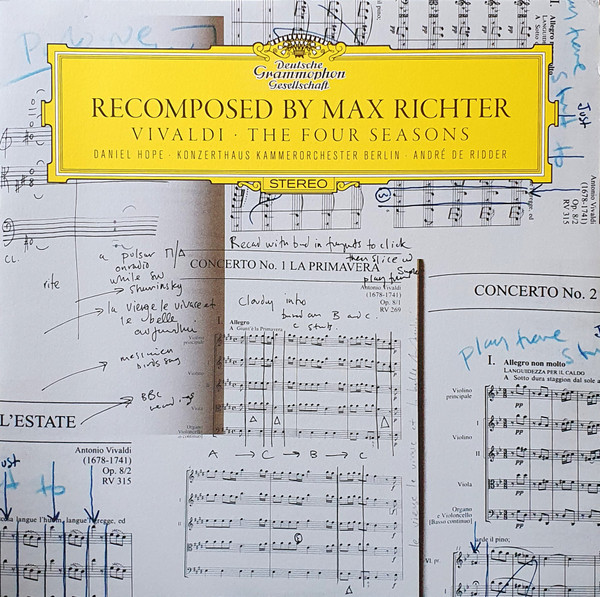
In the modern era, DG has embraced the newer generation of composers like Max Richter in an ongoing series of incredibly successful albums, including his “re-composing” of Vivaldi’s Four Seasons, a massive bestseller. A particular favorite of mine in this genre is Peter Gregson’s re-composing of the Bach ‘cello suites, which in all honesty I turn to just as often as the original!
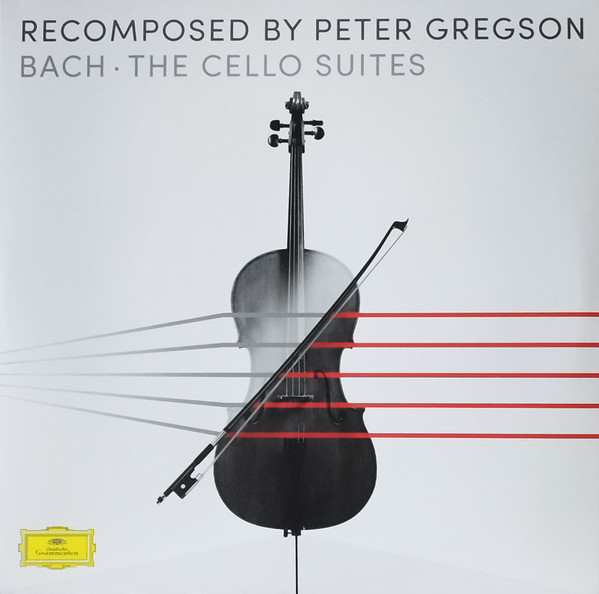
But these albums are definitely a long way from the avant-garde firebrands of old. This is most assuredly the softer side of modernism.
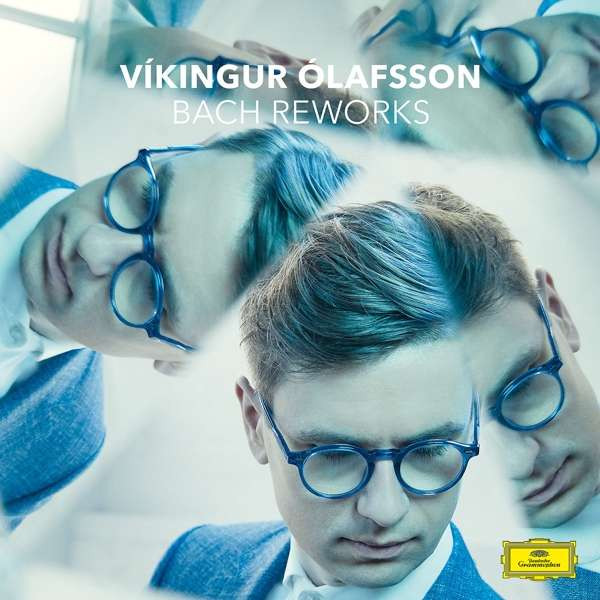
Realizing there was a market for a new kind of crossover album blending classical, avant-garde, electronic and new age pop/rock, DG signed artists like Balmorhea, Michael Muller, and others, then began releasing “remix” collaborations between its younger classical stars like Vikingur Olafsson and folks like Ryuichi Sakamoto, Hania Rani.
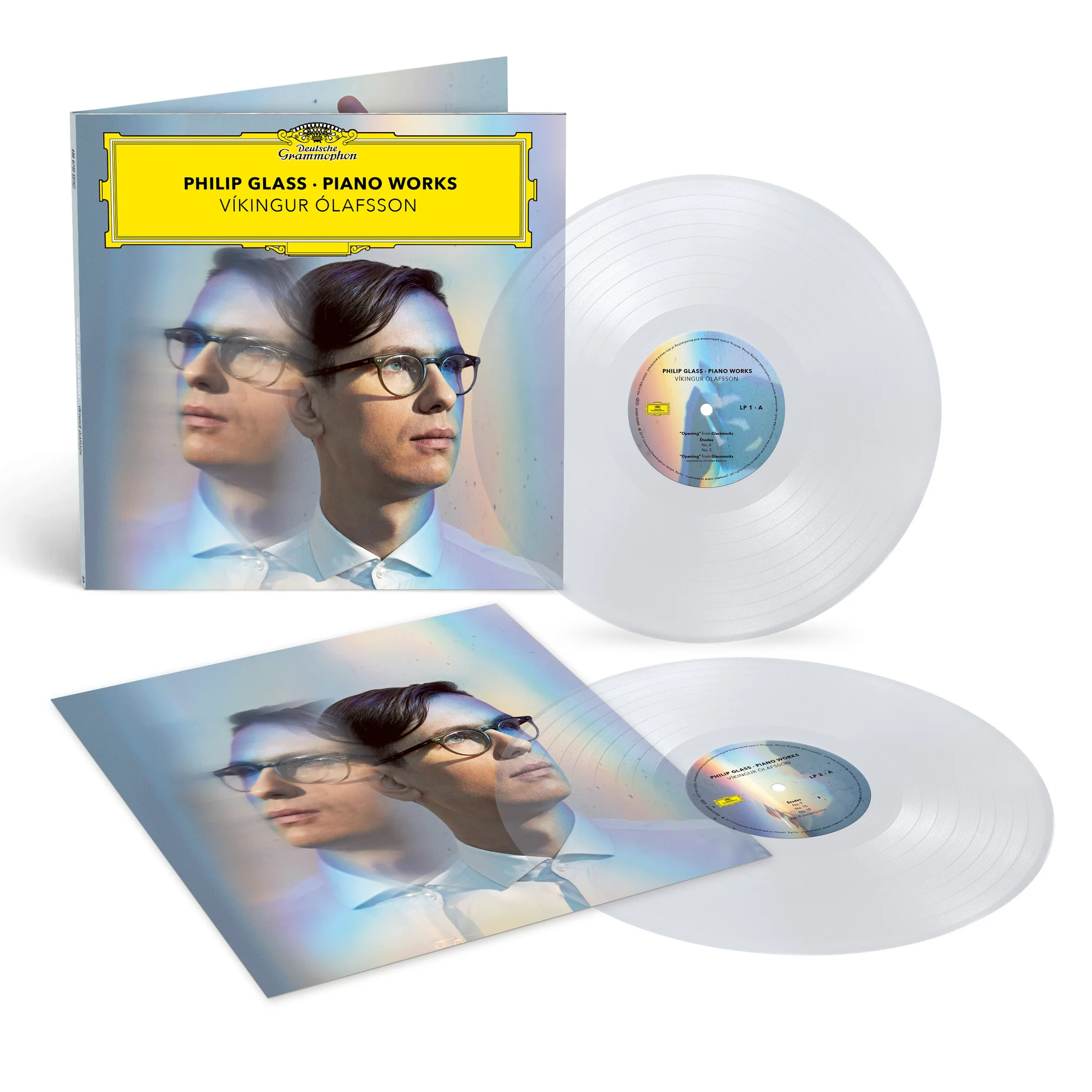
Remember that Olafsson had made his mark with his stellar album of Philip Glass solo piano music.
All of this stuff appealed precisely to the same demographic that was, in the mid-2010s, seriously getting into vinyl. All of this helped pave the way for the Original Source Series, which in turn has led to the AAA reissues of these Avant-garde titles.
The avant-garde has always been a young person’s game. It was true back in the day, and it’s true now. Except I will say that nowadays what passes for avant-garde is a far friendlier beast than its forbears. Today’s young Turk composer tends to be far more eclectic and listener-friendly in his or her stylistic choices.
So what’s it like going back to the heyday of the avant-garde and sampling once again the original beastie, red in tooth and claw?
Find out in Part 4 when I begin my reviews of these vinyl reissues.
You can read Part 1 in this series of articles here, Part 2 here, Part 4 here and Part 5 here.
Further Listening:
Not that you don't have plenty of suggestions after getting through the above...
But I did want to mention a really superb, convenient primer on 20th century avant-garde music...
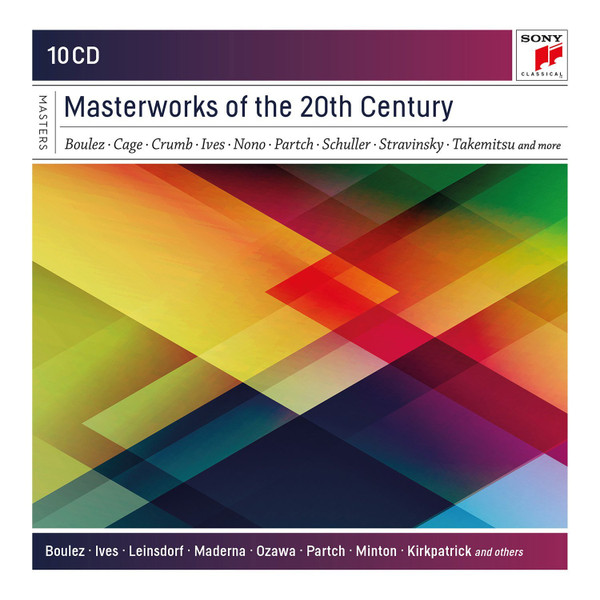
This little CD box set from Sony incorporates a wide range of composers and styles, including the seminal Harry Partch recordings, plus some later serial Stravinsky, Charles Ives (the father of American Modernism), George Crumb, Pierre Boulez, and a sprinkling of the other usual suspects: Xenakis, Stockhausen, Milton Babbitt, Morton Feldman, Pauline Oliveros (whom I also met at that Skywalker Ranch Sound design conference, and became an instant fan of), and, of course, John Cage. Very good remastering and a cheaper (or at least it used to be), convenient way to get a more US-slanted view on the avant-garde.






















.png)