
The Pletnev Sound Reborn
A Master Pianist returns to the studio in Deutsche Grammophon’s first all-analogue recording in four decades
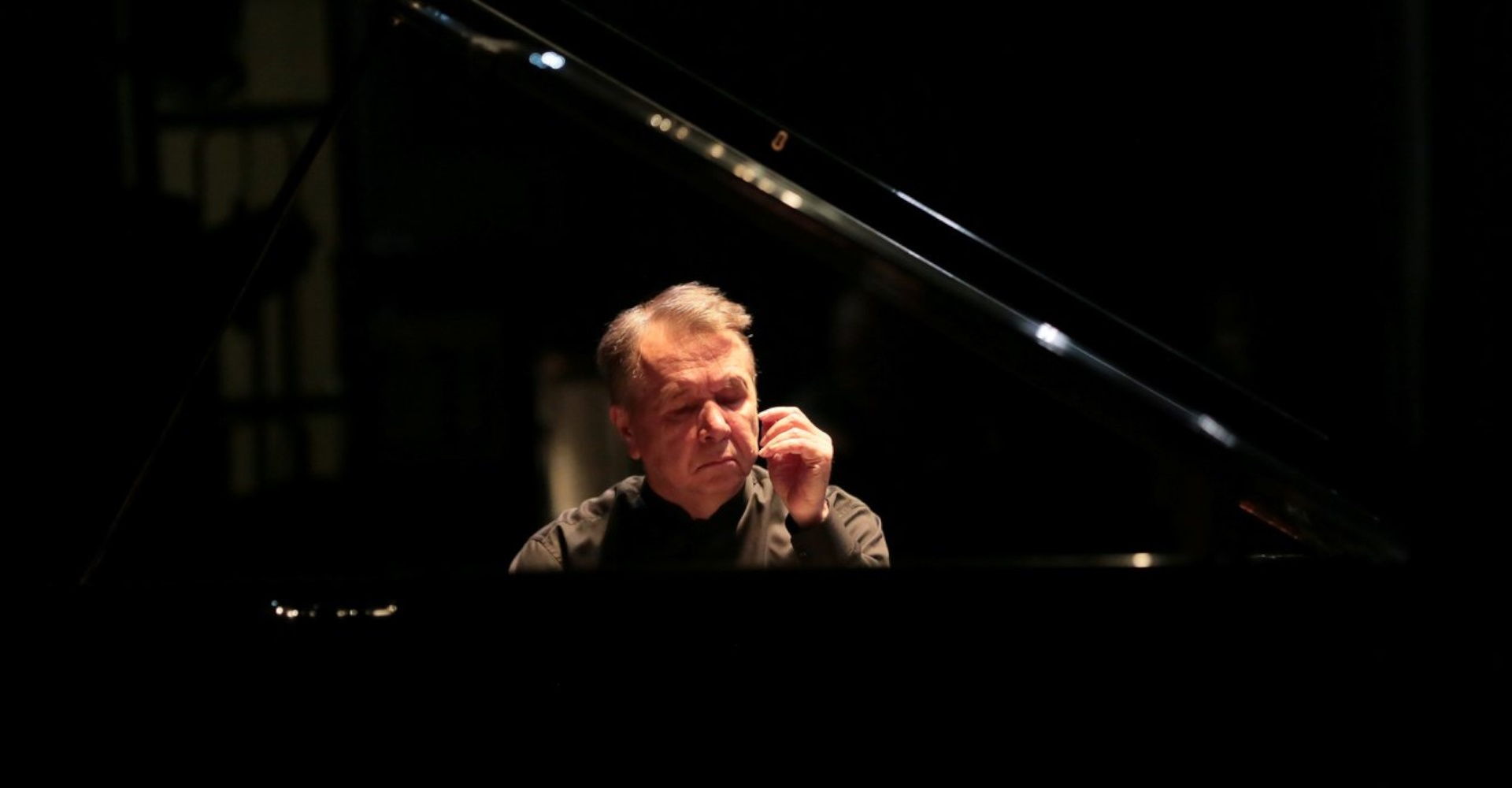 Mikhail Pletnev
"I am not playing for the audience, I am playing for myself”.
Mikhail Pletnev
If ever a record exemplified that sentiment, this is it. And do not for one moment consider that a negative.
In short, this is above all else a supremely intimate experience. Almost an eavesdropping on a great artist at work. Part of that derives from Pletnev’s approach to this music, which is personal, at times idiosyncratic (some might say wayward, especially in the Chopin), but always questing and thoughtful. The other part derives from the nature of the sound itself. This is the piano presented very up close and personal - actually “presented” is the wrong here, for it implies a sense of projection into the outside world. No, instead you feel almost as if you are inside the piano (or as close as makes no difference), and the performances themselves feel like Pletnev is playing for an audience of one - himself - and you are merely eavesdropping.
It is quite arresting and, in all honesty, may not be to everybody’s taste (as witness the wide range of reactions expressed in the reviews this album has already received). I found it initially a little disorientating, but as I made the adjustment I found myself listening deeper and deeper into this all-enveloping sound world, where every note felt like it had added meaning. When I returned to more “conventional” interpretations and recordings (ie. a piano in a hall rather than close-miked in a studio), they could seem superficial, if not needlessly bombastic. (More on the comparisons later).
This album is just something very, very different from your standard-issue piano recital, both from an interpretative viewpoint, and from a technological perspective. The result is there’s lots to talk about. Rarely has a recording made me think so deeply about the very nature of the recording process itself: how it influences a performer’s thinking; how an engineer approaches his or her task - and how we as listeners relate to the final recorded artifact; and how all this affects the listening experience.
What should we expect when we sit down to listen to a recording? How do we assess something that does not conform to those expectations?
This is one of the most “interior” recordings I have ever heard, reminiscent in some ways of Vikingur Olaffson’s recital From Afar I reviewed here some time ago.
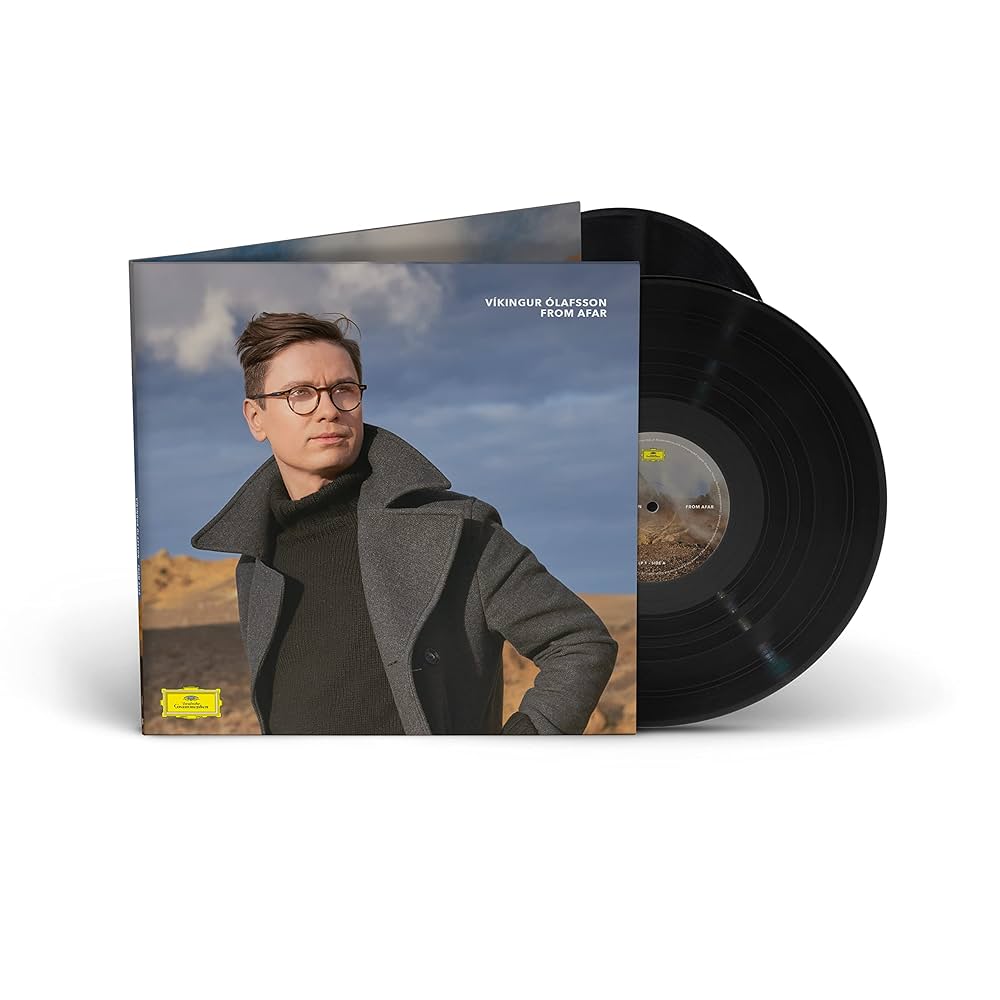
That recording was notable for including the album recorded both conventionally with microphones placed outside a grand piano, and also less conventionally with mics suspended within an upright piano itself. I found myself relating to the same music performed by the same pianist in very different ways, and it was fascinating. (Some reviewers found it pretentious and annoying).
In assessing this album from the legendary pianist, conductor and occasional composer Mikhail Pletnev, one has to start with the matter of the sound, because it is so different to everything that passes for “piano recital” sound these days. You will definitely notice this difference from the moment the playing begins, and it will take you a while to adjust. The difference is actually so profound that some might find it sufficiently difficult to make the adjustment as to mitigate against grasping the qualities of this record. That would be their loss.
Why is this?
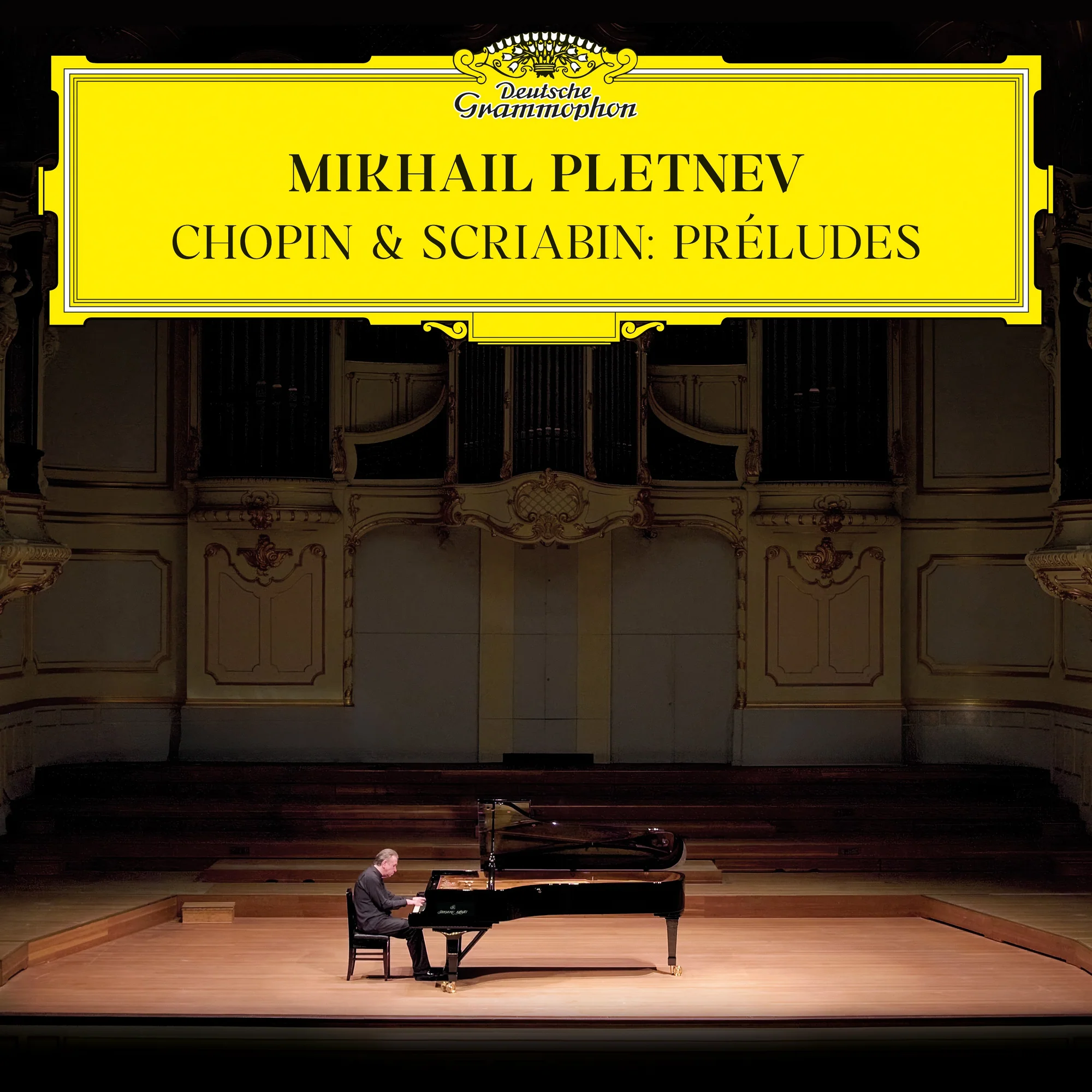
Well, it starts with the piano itself: a Shigeru Kawai concert grand piano, Pletnev’s instrument of choice since 2013. As with most concert pianists of his standing, a piano technician travels with him to all concerts and recording sessions to make sure the instrument is giving Pletnev what he needs in terms of sound and touch. The Kawai website quotes the pianist thus:
"A hobby pilot does not need the same machine as an acrobatic pilot. Acrobatic pilots require a machine that is at their complete command and allows them to perform any maneuver at any time. I need that same kind of piano because I am not a hobby pianist.”
The sound of this instrument - at least as presented on this album - is light years away from the more familiar tones of the Steinway and Yamaha Concert Grands in use in most concert halls and studios around the world. Those instruments tend to be brighter, bolder, able to convey enormous power along with delicacy. They are able to fill large spaces with the kind of piano sound we expect in such situations; the big, romantic instrument that makes Rachmaninov and Tchaikovsky sing at full throttle. Positively Wagnerian, albeit also capable of Mozart.
The Kawai as presented here is the complete opposite, although it too has considerable reserves of power. It has a discernibly rounder, softer profile, a mellower voice which reminds me of our old family Blüthner baby grand. However, as the music swells into more forceful utterances, the piano sound expands effortlessly, with nary a hint of edge. The bass is full and rich, the treble soft and almost perfumed, again with no hint of the twang that can creep into piano recordings. (My personal preference in pianos resides with the hallowed Bösendorfer brand, the favored instrument of artists as varied as Daniil Trifonov, András Schiff, Tori Amos and Oscar Peterson; one of my favorite piano recordings was made on a Bösendorfer - Anne Dudley plays The Art Of Noise.) The Kawai is the Renoir to the Van Gogh of Steinway and Yahaha.
At least as important as the sound of the Kawai piano itself is the manner in which it was recorded for this release, which marks a moment in history for the Deutsche Grammophon label.
This album was originally intended to be drawn from digital files made during live performances by the same engineer, Rainer Maillard, who has worked on nearly all of Pletnev’s recordings since he became a DG recording artist in the 1990s. (Maillard’s name will be familiar to our readers who purchase the DG Original Source and Decca Pure Analogue releases, since he is the moving technological force behind those reissues, one half of the Emil Berliner Studios team that also includes Sidney C. Meyer).
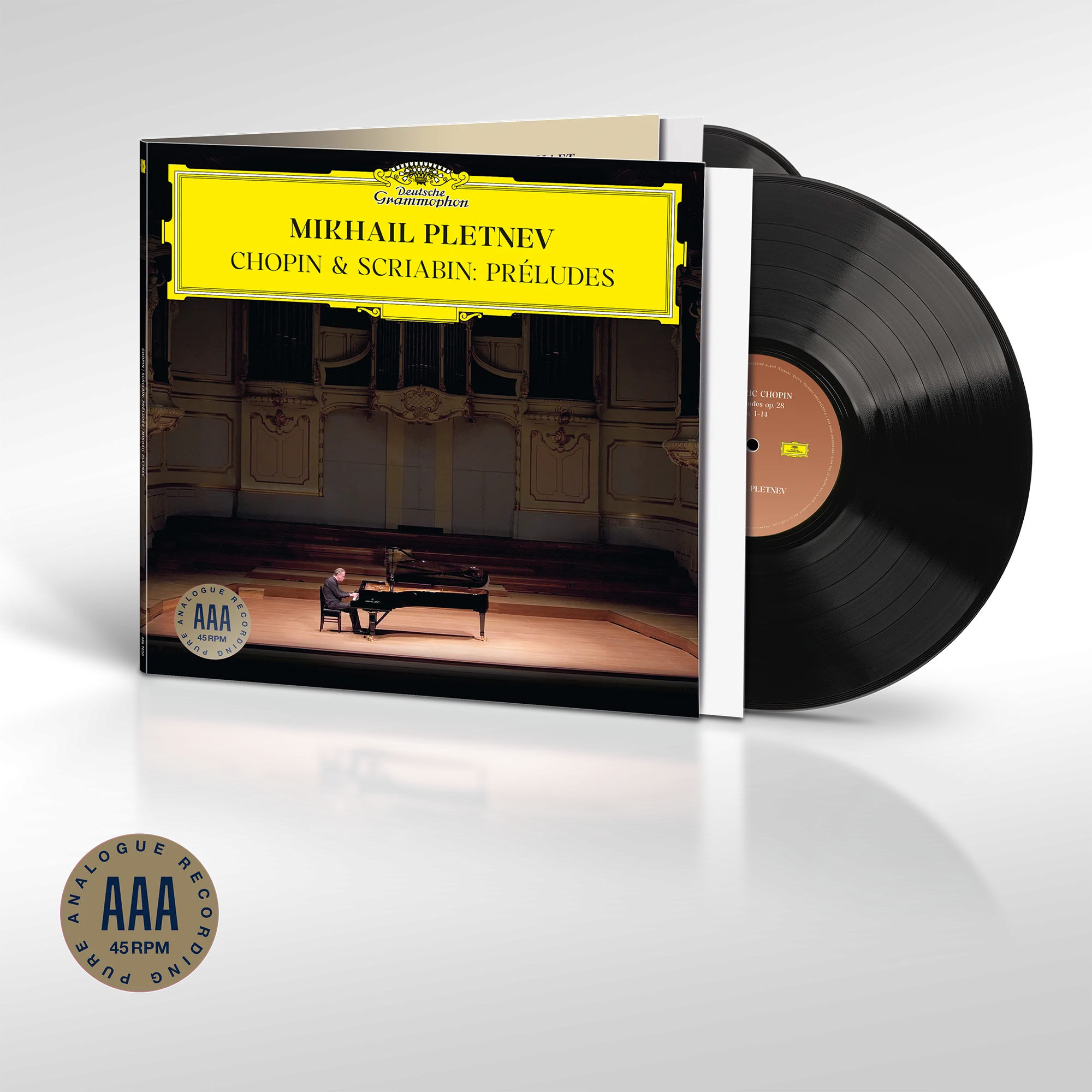
Pletnev was not happy with those concert performances, so Maillard proposed another approach. Pletnev would come into the Emil Berliner Studios and make an all-analogue recording in a pressure-free environment, the first in over 40 years for the hallowed Deutsche Grammophon label. Artist and label agreed to the plan (Hallelujah!). So that is what happened, and that is what you are listening to on the vinyl release of those sessions (so popular that the first run of pressings sold out even before I could get a copy to review).
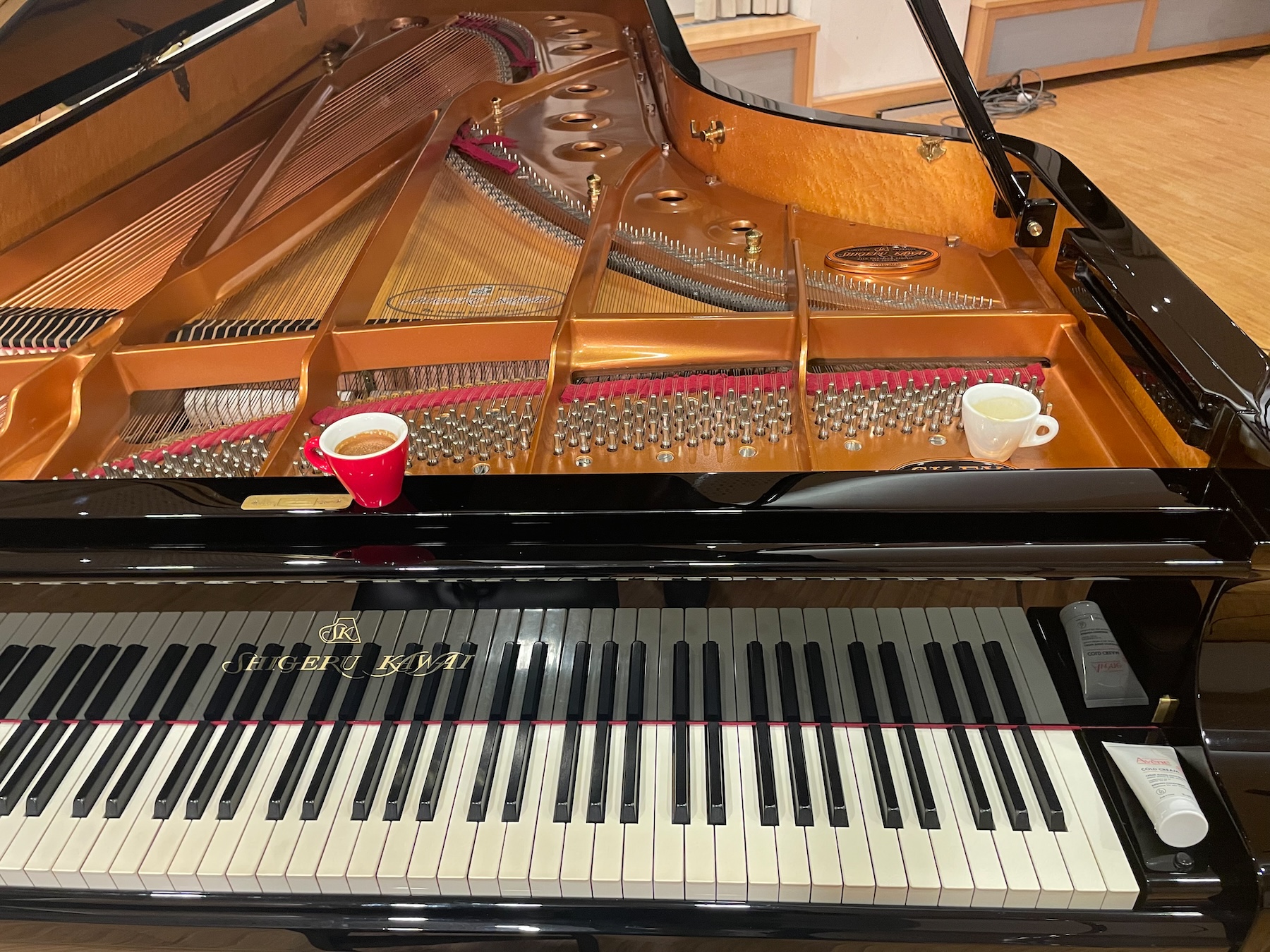
(The CD and streaming/download versions are mastered from a concurrent digital capture, made using a different microphone set-up, visible in the photo below: Maillard always believes that digital and analogue recordings are respectively optimized by using different microphones; I will compare this AAA record with the digital version later in this review).
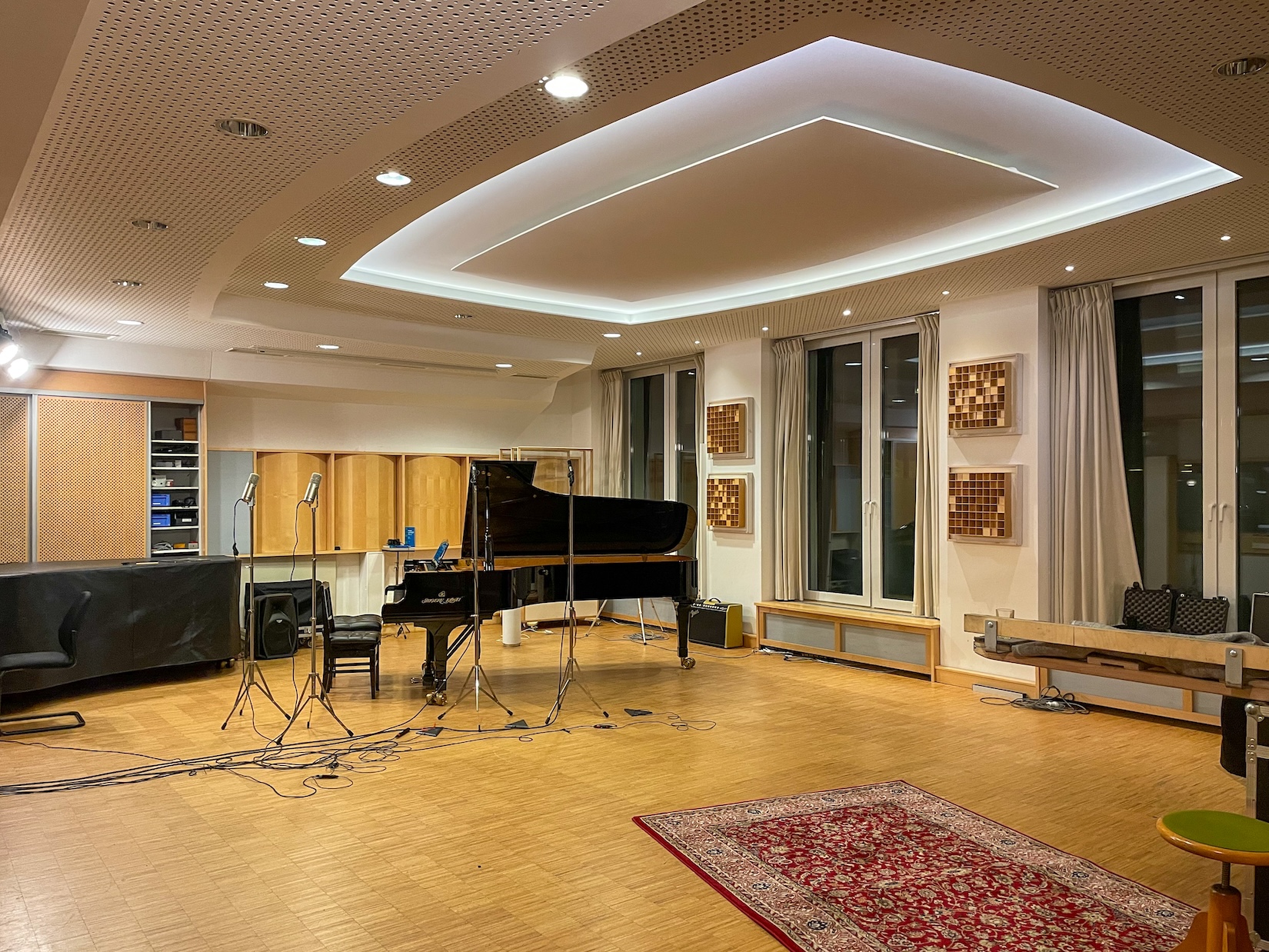 Piano and microphone set up for Mikhail Pletnev session at Emil Berliner Studios: "The analogue version was captured using two custom made Sennheiser microphones, recorded on a tube Studer C37. A separate 11-channel microphone setup was captured and converted in high resolution digital audio to be mixed for CD, digital download, streaming and Dolby Atmos" (EBS website).
I remember at the time Rainer’s excitement about these sessions - which he communicated via out-of-the-blue emails and accompanying snatches of video from the sessions. Maillard, who has worked with Pletnev over many decades, holds him in the highest regard, noting especially his ability to come at familiar music with a whole new perspective. Maillard’s excitement also stemmed from the fact that he would - for the first time - be exercising his considerable skills as an all-analogue recording engineer for Deutsche Grammophon, where he began his career in his 20s during the digital age. (For the best examples of Maillard’s analogue engineering prowess beyond the remixing and remastering arenas, try and listen to his extraordinary direct-to-disc recordings made for the Berlin Philharmonic and Bamberg Orchestras). Maillard has such a long-standing working relationship with Pletnev that they are completely comfortable with each other. So comfortable, in fact, that video of the sessions showed Pletnev casually sipping his coffee at the keyboard before launching into his low-key but nevertheless virtuosic dispatch of Chopin’s and Scriabin’s complex meditations as if he was merely doodling his way through a boudoir arrangement of “Java Jive”.
Watch below the fully-produced video for a taste of how this all went down. I must say that watching Rainer edit the tape brought back memories of my first job in radio, occasionally razor-blading myself, but more often sitting with my trusted engineers as they applied their skills to assorted music and drama elements, using the self same tape decks as you see in this video. (For Maillard's more detailed account of his long working relationship with Pletnev, skip to the end of this article).
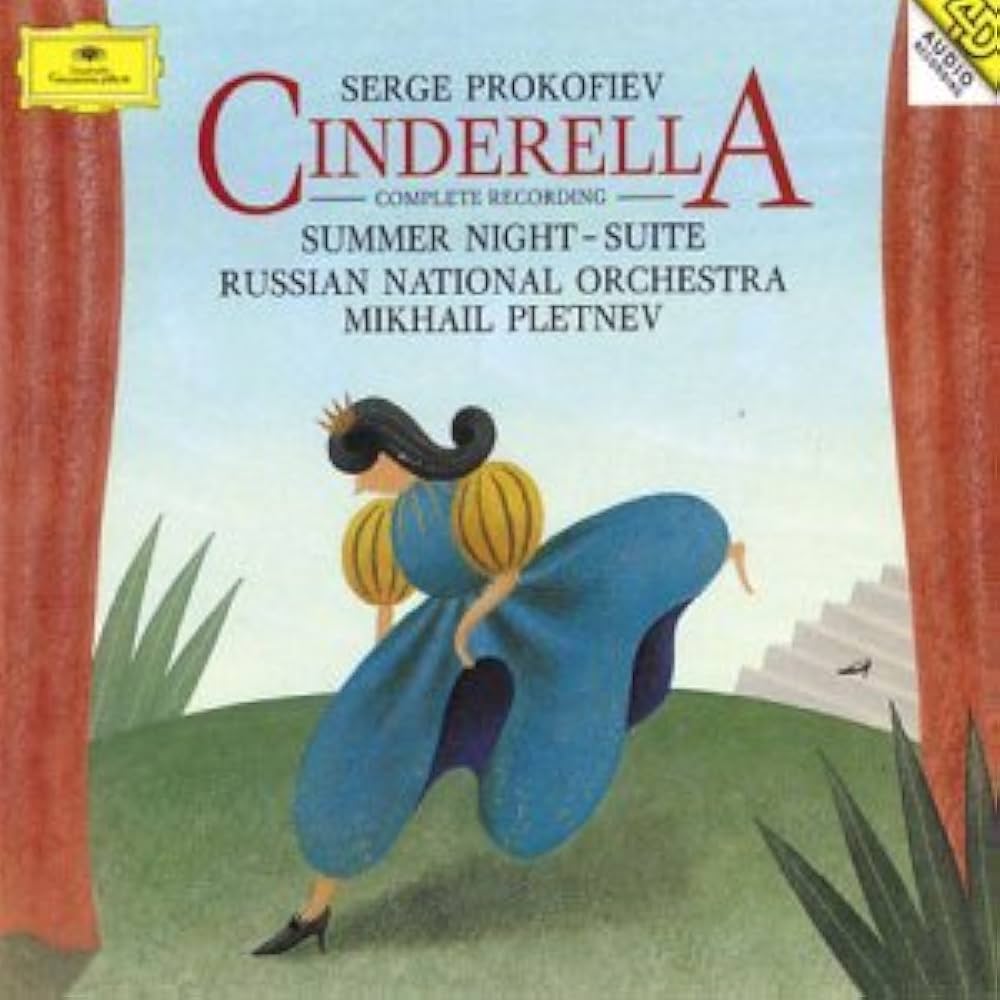
Diving into Pletnev’s rich back catalogue as a pianist and conductor on DG will yield many treasures, but let me especially draw your attention to several Rainer Maillard-engineered essentials: of Prokofiev’s complete ballet Cinderella, a riot of orchestral spectacle thrillingly caught on CD…
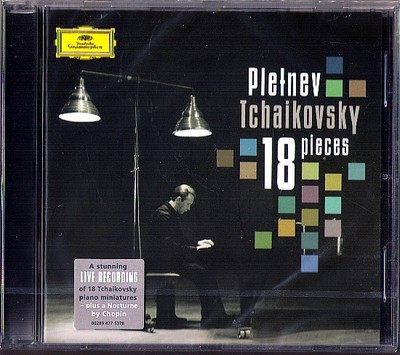
… of Tchaikovsky’s lesser known but utterly beguiling piano music…
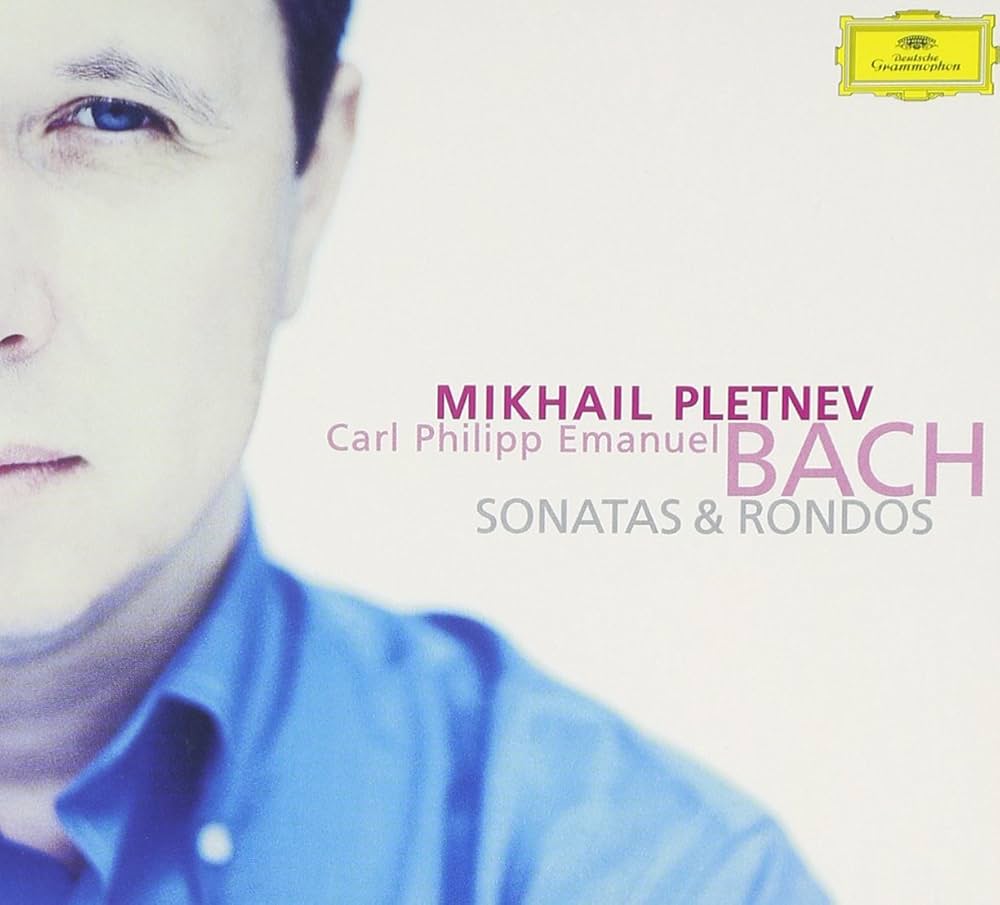
… and a spellbinding recital of music by J.S.Bach’s son, C.P.E.Bach, the under-sung harbinger of the classical period of Haydn, Mozart and Beethoven. Hardly mainstream repertoire for early music specialists even these days, and especially not for pianists, but Pletnev turns it into riveting fare capable of withstanding comparisons with those later masters, and somehow also prophetic of the emotional and formalistic fluctuations of the Romantic period.
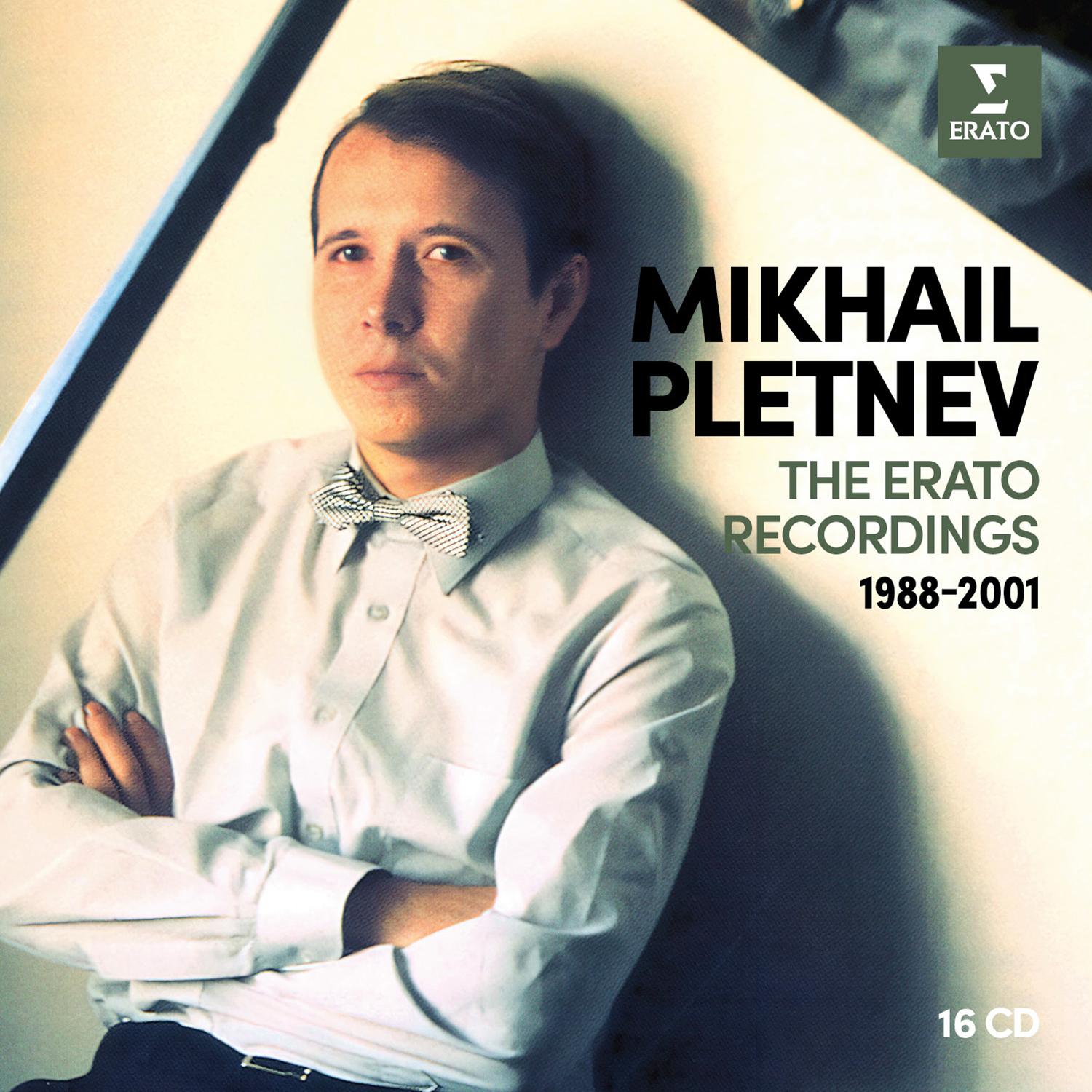
Pletnev fans, or those who want to investigate his recorded legacy more substantially, should also not hesitate to pick up the recently released box of his earlier, pre-DG Virgin/EMI recordings, now on Warner-Erato, which includes all three Tchaikovsky piano concerti, plus lovely Scriabin (including his first version of the op.11 Preludes) and Scarlatti amongst many other gems.
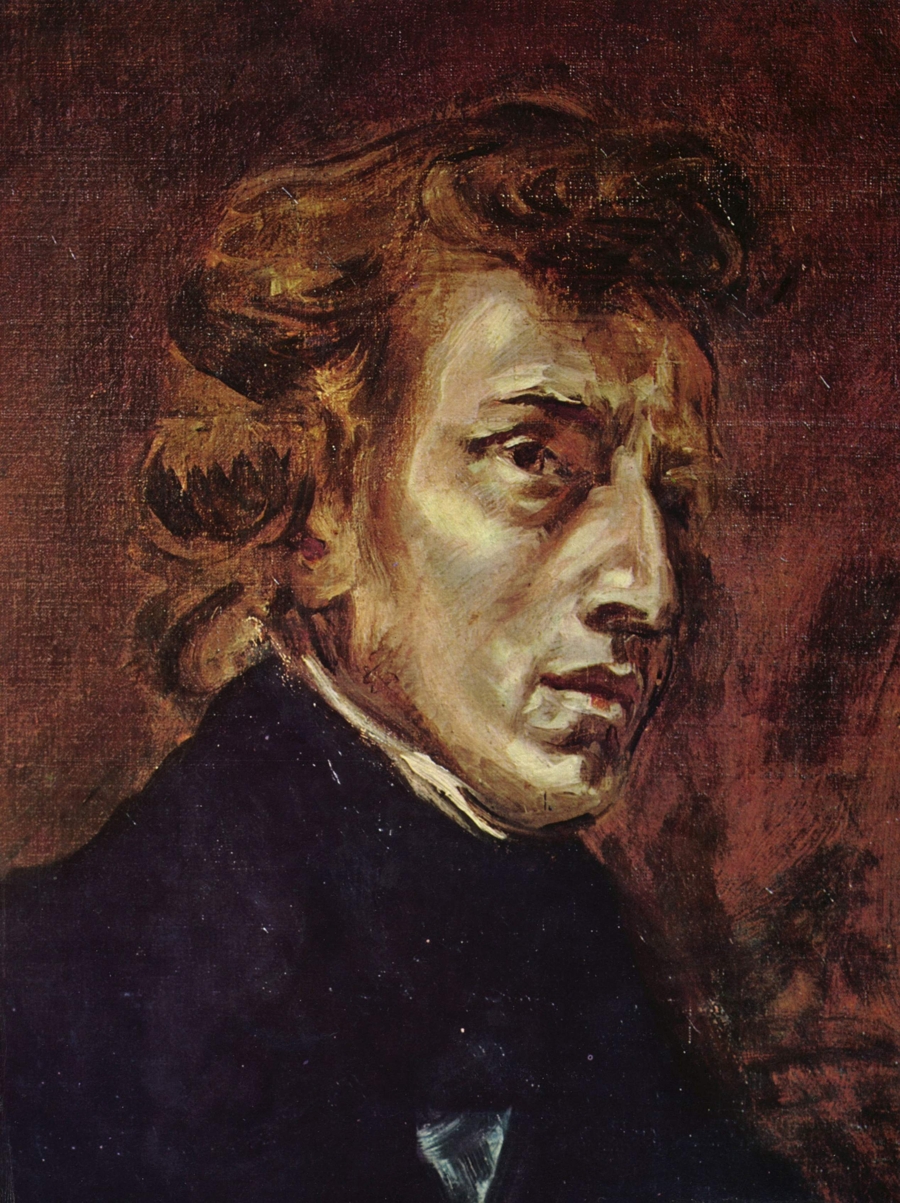 Frédéric Chopin as painted by Delacroix in 1838
“Bach is an astronomer, discovering the most marvellous stars. Beethoven challenges the universe. I only try to express the soul and the heart of man.”
Frédéric Chopin
"After playing Chopin, I feel as if I had been weeping over sins that I had never committed…"
Oscar Wilde
Do I need to recap the scoop on Chopin when his many qualities have been so admirably described by my colleague Michael Johnson in his review of the Pollini Preludes here, and further elucidated in my account of the Pollini Polonaises here? Hardly.
Except I will repeat the fact that this is such central repertoire that every pianist and their aunt have played and recorded it, so we are hardly spoiled for choices when it comes to picking outstanding recordings of this work.
That also means that any newcomer has to offer something pretty special to warrant dropping coin for a new version.
Beyond the obvious appeal to the analogue hounds writing for and reading this site, what does Pletnev bring to the table?
Dropping the needle on this immaculately pressed (at 45rpm) double album immediately communicates that this is not going to be your usual survey of the Chopin Preludes. The immediacy and enveloping warmth of the Shigeru Concert Grand immediately imposes its personality on the music. There is an almost improvisatory manner to the playing, a feeling of the music emerging almost accidentally. (We are a long way away from Pollini’s laserlike focus and sense of determination). With this approach comes a feeling (if not always a fact) of continuous rubato, of time and tempo being constantly malleable. However, there also remains a clear though-line to the interpretation, aided enormously by the piano’s warm singing tone, which sounds more like a mother’s spontaneous loving lullaby than the product of a piano’s complex mechanism. Unlike some pianists who take this kind of “loose” approach without being able to maintain a grip on the through-line and thus lose the music’s inner coherence and momentum, Pletnev holds the strands together - even if he does occasionally teeter on the brink. In that he is greatly aided by the warmth and long sustain of the piano’s tone itself and the closeness of the recording in which every detail of touch and pedalling is revealed mercilessly, but not obtrusively. There is literally nowhere for Pletnev’s occasional imperfections (if you can even call them that) to hide: everything is revealed. His technical command of the instrument remains jaw-dropping even if it isn’t “in your face” as it often can be with the younger generation of piano virtuosos.
If you want to get an immediate idea of how Pletnev’s Chopin reads, look no further than the famous “Raindrop” Prelude No. 15 that opens side 2. The tempo is straightforward, maybe even a little faster than many, but within that basic pulse there are many variations (rubato), which teeter on the edge of being fussy (not a problem for me). Once we get into the darker middle section the dark warmth of the Kawai comes into its own, with a wonderful sense of foreboding hanging over the music. Once the big chords enter there is no need for Pletnev to hammer them home - that rich piano sound creates the required density all on its own. Note here, as elsewhere, the internal balance of Pletnev’s concluding chord is immaculate. For another great example of this check out Prelude No. 20, and again marvel at the rich sonorities of the Shigeru Grand - mouth watering - as Pletnev conveys all the pathos implied by Chopin’s simple harmonic progressions.
One of the things I really like about this performance is how Pletnev keeps the flow going from one Prelude to the next, creating an overarching sense of all these individual facets being part of a larger jewel. The parts move inexorably towards the thunderous conclusion of No. 24, whose tolling deep bass notes have such force and resonance (with a multitude of harmonic overtones) that they will make your system hum like some cosmic convergence.
However, in deference to the fact that I must acknowledge this performance will not appeal to all tastes, I have deducted one point in my overall Music grading.
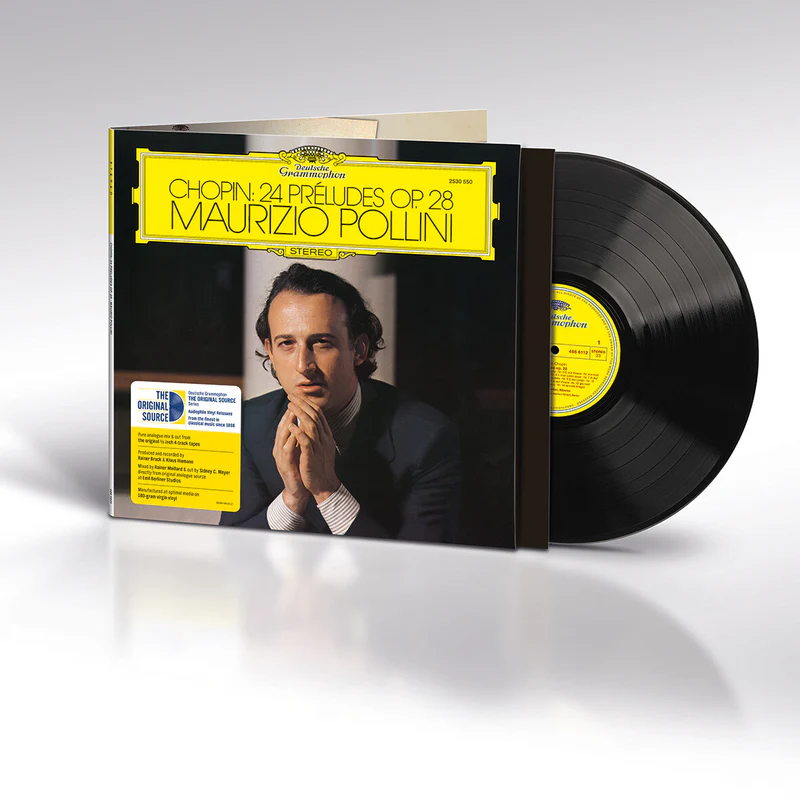
Turning to Maurizio Pollini’s survey of these pieces as presented on the Original Source reissue of last year is to be confronted by a beast of a different species. First of all the sound is far more conventional: a superbly rendered Steinway in an identifiable hall acoustic. Second, Pollini’s way with the music is more direct, dare I say stringent, though hardly less “romantic”. His finger work is more obviously articulated, and again is beautifully caught by the microphones. I adore this recording, and it has long been my reference in its various incarnations (although the Original Source version is definitive), but I quickly found myself missing Pletnev’s more personal, warm way with the music. Thankfully I do not need to make a choice between them (and I will also continue to spin my Vladimir Ashkenazy version on Decca from 1979).
_-_(meisterdrucke-1052447)-1772133818.jpeg) Alexander Scriabin
Alexander Scriabin
"I am God! I am nothing, I am play, I am freedom, I am life. I am the boundary, I am the peak."
Alexander Scriabin
"Scriabin isn't the sort of composer whom you'd regard as your daily bread, but is a heavy liqueur on which you can get drunk periodically, a poetical drug, a crystal that's easily broken."
Sviatoslav Richter, in Bruno Monsaingeon’s Sviatoslav Richter: Notebooks and Conversations
Now while I can imagine some listeners may find Pletnev’s approach in the Chopin not entirely to their liking, his pairing of Scriabin’s Op. 11 set of Preludes banishes all reservations. This is a ravishing account of the eccentric Russian composer’s taking up of the gauntlet thrown down by Chopin fifty years earlier. This notion of composing a cycle of short works in every key dates back to Bach’s foundational cycle of 48 Preludes and Fugues, and Scriabin gives a typically hedonistic spin on that model.
If you’ve read my review of the Original Source reissue of the same composer’s Poem of Ecstasy, you will have some idea of what to expect, although the temperament of these piano works is definitely dialed down from that work’s orchestral orgy of color and excess.
But Scriabin remains a composer writing on the cusp of late Romanticism turning into the tonal ambiguities of early modernism, so his harmonic idiom is destabilized and his temperament more volatile. Everything about this music fits Pletnev’s own inclinations to a “T”, yet he is able to keep the instability of this music in check without short-changing its ravishing, sensual, nay even erotic (if you care to find it), profile.

Pletnev’s earlier account of the Op.11 Preludes on Virgin (now repackaged in his Warner/Erato box) was always fine, and comes coupled with Sonatas 4 and 10 plus a few shorter works, but this new rendition is superior, showing Pletnev has fully relaxed into the composer’s distinctive idiom. Here the intimate sound really finds its perfect vehicle, enfolding and caressing like a lover, the music alternatively relaxed, limpid, then febrile - feeling like at any moment it might just “go off” (and occasionally it does).
Pletnev’s account as a whole hangs together beautifully, sustaining Scriabin’s characteristic harmonic and sensual tease over the long run - something even the most experienced pianists can struggle with. The challenge with Scriabin is finding and maintaining that balance between decadence and restraint which is the key to coaxing his hothouse musical orchids into full bloom.
I am a Scriabin obsessive, and cannot get enough of his music - when I’m in the right mood. One hardly needs to dine on foie gras and champagne every day…
If you’ve never had the opportunity to take the plunge, this record is a great way to dip your toes into the churning Scriabin waters.
From the opening notes of Prelude 1 - a gentle welcoming promenade into Scriabin’s world of sensory delights, if you will - followed by the beckoning flirtation and bashful hesitation of Prelude 2, through the foreboding landscape of Prelude 10 and disjointed gestures of Prelude 12, on to the urgent argument of No. 14, the plaintive, pleading response of No. 15, then leading into the dark catacombs of the soul of No. 16 (Misterioso indeed)… Pletnev is the surest of guides and walking companions, leading you inexorably to the triumphant conclusion of No. 24. This is music you can listen to entirely in the abstract, but it also cries out for extra-musical association. Your mind will wander into hidden vales as you listen.
Obviously Scriabin’s model of Chopin looms large, but also the shadow of Franz Liszt is to be felt on every page, from his picturesque depictions of nature in Années de Pèlerinage (Years of Pilgrimage) to the more abstracted, harmonically ambiguous works of his later years.
But Scriabin is his own man, and this recording of the Preludes is an excellent jumping-off point for anyone wanting to explore his piano music, one of the most rewarding and least known chunks of late Romantic/early modernist repertoire out there.
I’ve had several favorite versions of the Op.11 Preludes over the years, although the one I tended to return to most often was by Artur Pizarro from 1997 on the long defunct British label Collins (fortunately available on streamers, coupled with an equally fine account of Shostakovich’s Op.34 Preludes, another masterpiece in the genre, and of an entirely different hue to its forefathers - closer to Bach, indeed).
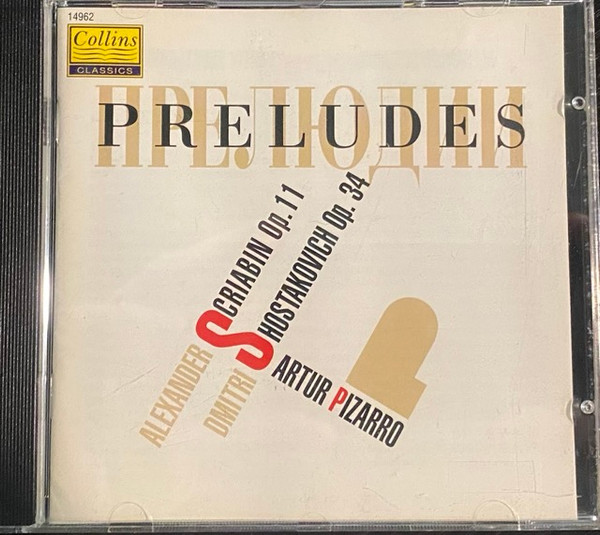
Pizarro is one of those lesser-known pianists fully deserving of investigation; his lineage of teachers reaches back in a straight line to Liszt himself. His Scriabin is more in the grand Horowitz tradition - both in sound (surely a mighty Steinway very presently captured in a great hall) and interpretation, but he will continue to serve as a nice contrast to Pletnev’s more intimate account.
I think it’s worth buying Pletnev’s new album for the Scriabin alone, it is that good. It is definitely a 10 on the Music grading scale. I predict that his less conventional take on the Chopin will grow on you.
Turning to the digital incarnation of this record (the 24/96 Qobuz stream) - miked completely differently to the AAA all-tube electronics version - one is greeted by a more traditional balance, with the piano set at a slight remove. How much the few degrees of comparative tonal and timbral coolness in the sonics of the digital stream over the AAA version derive from differences in my vinyl vs. digital chain is anybody’s guess (but I suspect definitely has something to do with it). Listening to the two side by side I can imagine some listeners preferring that slight sense of distance and restraint exhibited in the digital version in comparison to the almost overpowering effulgence of the all-analogue version’s hot house orchids in full bloom. I can especially see an argument for preferring the Chopin in that digital incarnation, but the Scriabin is fully in its sonic element in its AAA vinyl version, overripe though some may consider it to be.
And returning to the vinyl is quite the luxurious experience, cut at 45rpm and presented in a nicely illustrated gatefold with dead silent surfaces. Living with this set for some weeks now, and returning to it often - to paraphrase Professor Henry Higgins - I have indeed become accustomed to its sound. I am looking forward to auditioning my copy on my colleague Paul Seydor’s more analytical , less colored, rig, without the extra bloom I suspect my gorgeous Zesto Audio’s Andros Spirit Phonostage imparts to the proceedings.
Make no mistake, this is an auspicious return to all-analogue recording by the world’s oldest record company. I urge DG to seek out Rainer Maillard’s considerable analogue expertise for more of the same - maybe even some Direct-to-Disc ventures.
In the meantime I cannot think of a more auspicious way for one of the world’s great pianists to return to the studio than with this record - or a better way for us audiophiles and music lovers to enter this garden of musical delights.
ADDENDUM:
Back when he was finishing up this recording, Rainer Millard sent me this account he wrote of working with Mikhail Pletnev. For those of you interested in learning more about this extraordinary musician and how this session unfolded, this is required reading.
Pletnev and the Sound
by Rainer Maillard
On a bitterly cold night in Moscow in 1993, I heard Mikhail Pletnev play the piano for the first time. We produced our first recordings for Deutsche Grammophon in Moscow with the newly founded Russian National Orchestra. These recordings took place at night in the Conservatory - at night, because the hall was so heavily occupied by Moscow's musical life that only the night hours were available to a freely founded orchestra.
During the breaks, Pletnev and some of his musicians, some of whom he had known since his youth, met in the artist's room. People drank tea, nibbled on what they had brought with them, smoked (this was still allowed in rooms at that time) and every now and then Pletnev sat down at a very old piano from the Prague company Petrov and played. Either for themselves or for those present. It was on those nights, on this old piano, that I heard him for the first time as a pianist and not as a conductor. I can still remember my feelings exactly, because I just didn't know what I was more surprised by: the music I was listening to, the sound from that old, out-of-tune piano, or his technique. The piano had the property that some keys, once struck, no longer shot up. If Pletnev wanted to hit this key a second time, he first had to lift it up again with a free finger shortly before hitting it again.
However, this technical skill, reminiscent of circus tricks, was not at all in the foreground of his playing. It was simply a technical necessity if you wanted to make music on this instrument at all.
If you closed your eyes, you heard wonderful music that made you completely forget that the instrument – or the pianist – had any limitations at all. Pletnev played – always from memory – Mozart, Rachmaninov, Beethoven and much more.
Three years later, we recorded Pletnev's first CD for DG. This time we met in the Friedrich-Ebert-Halle in Hamburg-Harburg and three recording days were scheduled. The production schedule included piano works by Chopin, a perfectly tuned Steinway-D on stage, and the microphones were aligned.
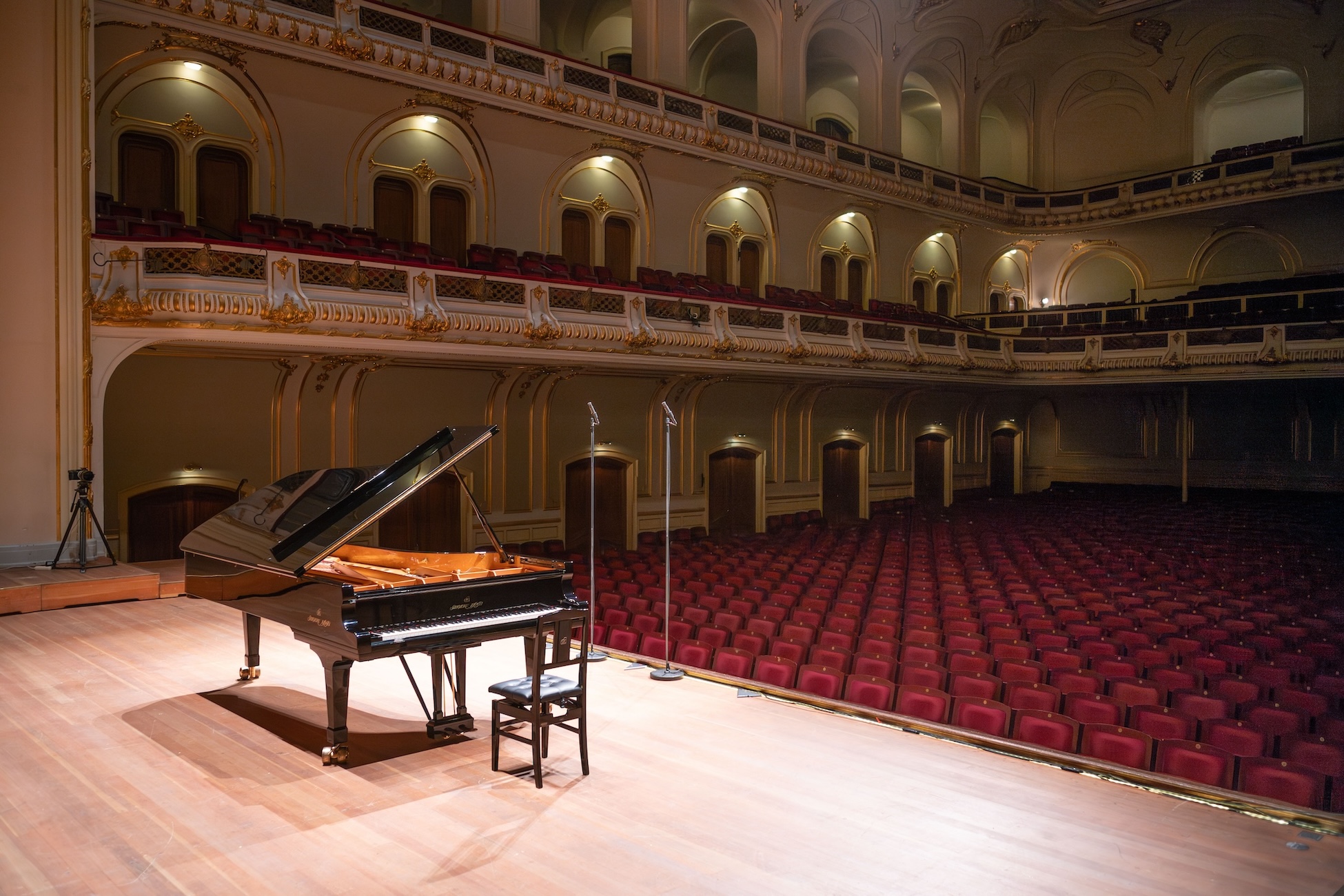 All set to record in the Laeiszhalle Hamburg
So Pletnev came, sat down at the piano and played. But not Chopin - Bach, Beethoven and Mussorgsky. (Sometimes Bach was played in one hand, while Beethoven was played in the other). He explained that he had to "warm up" before we could start recording Chopin. And he was – to my amazement at the time – unhappy about the sound. Not that he heard a single note in the control room; no, it was the sound of the Steinway (which sounded perfect to me) as he heard it in his ears.
Thus I witnessed two miraculous transformations. He worked for hours with the piano technician to trim the action of the grand piano to a certain point that would suit his playing style better. (As if he needed any additional technical assistance at all, see above).
But a second thing left me even more perplexed: Pletnev demanded to play with headphones that had originally been developed for turbine workers. They were designed for maximum sound insulation and also had the newly developed noise cancellation technology at the time. With his headphones on, he heard the grand piano very quietly - just at the threshold of perception. When I asked him how he could make music like that, I only got this short answer: he had the music in his head and it had to be able to flow unhindered into his hands. He then feels it in his fingers. The ear would only interfere.
Recording took place in the evening of the third day. Once in the mood, Pletnev records a complete CD in a few hours - interrupted by two or three small cigarette breaks.
This pattern repeated itself through all the piano recordings I have made with Pletnev so far. A longer "warm-up" phase before the recording can even begin, and the search for the right sound of the grand piano, without him ever checking what he was playing from the tape or in the control room.
So the last studio recording with Pletnev from 2005 was similar to the first: Pletnev came and played Tchaikovsky (instead of Mozart as on the recording schedule), had me get sound insulation used by recreational gun shooters from a nearby sports shop situated diagonally across the street from the concert hall. He was still so unhappy about the sound of the too voluminous and brilliant Steinway that we started calling around and finally had a Blüthner grand piano delivered from another city.
In 2024, after a 19-year break in recording for DG, the Preludes by Chopin and Scriabin were back on the recording schedule. We met in May in Hamburg's Laisz-Halle to record his concert live for CD and video. In the intervening years, Pletnev had been playing exclusively on a Shigeru Kawai grand piano, an instrument which only he plays and which is delivered by the company to all his concerts. After the concert we recorded a few corrections without an audience. However, Pletnev told me when I said goodbye that I didn't even need to try to cut the material together. He had had a bad day, the worst in decades, and he couldn't imagine that he wanted to have this concert released on CD. So he also refused to listen to my already-mixed tape and insisted on his refusal. (What an interpretation! This concert is published on DG Stage+ and every pianist would probably consider himself lucky to ever get anywhere near such a "bad" day).
So we agreed to record the two cycles again at his request. Since none of the big concert halls were available on the only possible date in Berlin, we arranged to meet directly in our studio. This is a relatively small, intimate space. Such rooms – without much reverberation – were used more in the early days of recording technology for classical music. Pletnev only seemed a little irritated for a very short moment, but immediately sat down at the piano and began to play. (As always, everything possible before a recording, except the program). But he immediately adapted to the intimate character of the acoustics and it seemed to me that it suited his playing well compared to his live recording, where he had to phrase a quiet tone in such a way that it would carry even to the last row of chairs.
Pletnev played through each of the two cycles once and then made a few corrections to some numbers. After 4 1/2 hours - only interrupted by two tea and cigarette breaks - he got up and said goodbye with the words: "Today I had a good day. That wasn't so bad for me. You don't need to send me the finished tape, I won't listen to it anyway. It's released."
Available for purchase at the DG Shop and Acoustic Sounds.
And here's a real treat for you piano fans out there. Old friends Mikhail Pletnev and Martha Argerich having some fun with Bach, live in concert around a year ago.